Our Top Picks
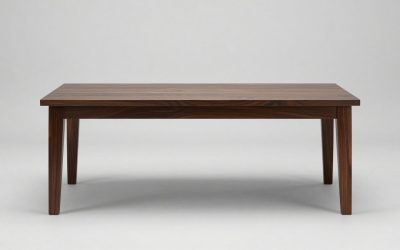
 Walker Edison Maya Solid Oak Wood Veneer Console48 Inch15 x 47.88 x 30.13 Inches50 poundsCheck on Amazon
A console table 60 inches long fits best behind a sofa that is 72 to 90 inches wide, against a wall at least 72 inches wide, or under a TV up to about 65 inches, and it is the size where a console stops looking like an accent piece and starts working as real surface and storage space. Below is how to tell whether 60 inches is right for your wall, and when a 50, 55, 70 or 72 inch table makes more sense.
What 60 Inches Actually Gives You
Most console tables in the 60-inch class are 12 to 16 inches deep and 29 to 32 inches tall. That combination gives you roughly 5 to 6.5 square feet of top surface, enough for two table lamps placed 12 to 14 inches in from each end with a tray, books or a plant between them. A 36-inch console, by comparison, fits one lamp and one object before it looks crowded.

Walker Edison 60" Modern Entry Console Table
Picked as a relevant option in this category.
View on AmazonWalker Edison Maya Solid Oak Wood Veneer Console Table with Storage, 48 Inch, White Oak
Chosen because it specifies 48 Inch and White Oak.
View on AmazonLength also changes the build. Once a top passes about 54 inches, a solid board or a thin engineered panel can start to sag in the middle if it only has legs at the ends. Better 60-inch tables add a center support, a lower shelf that acts as a stretcher, or a steel apron under the top.
Console Table Length Compared
| Length | Minimum wall width | Sofa width it suits | TV size it suits | Typical lamp setup |
|---|---|---|---|---|
| 30 in | 42 in | Loveseat ends, not behind sofa | Not for TV | 1 small lamp |
| 36 in | 48 in | Chair or narrow hall | Not for TV | 1 lamp |
| 50 in | 62 in | Loveseat 58–72 in | Up to 50 in | 1 lamp + decor |
| 55 in | 67 in | Sofa 66–80 in | Up to 55 in | 2 slim lamps |
| 60 in | 72 in | Sofa 72–90 in | Up to 65 in | 2 lamps |
| 70 in | 82 in | Sofa 84–96 in | Up to 75 in | 2 lamps + center piece |
| 72 in | 84 in | Sofa 86–100 in or sectional | Up to 75 in | 2 large lamps |
The minimum wall width assumes about 6 inches of open wall on each side so the table does not look jammed between door trim or corners.
Behind the Sofa: The Two-Thirds Rule and Its Limits
Designers usually size a sofa console at about two-thirds to three-quarters of the sofa length, and never longer than the sofa itself. For a 60-inch table that means:
- 72-inch apartment sofa: 60 inches is the upper limit. It works, but the ends of the table will sit only 6 inches inside each arm.
- 84-inch standard sofa: the sweet spot. You get about 12 inches of sofa past each end, which looks intentional.
- 90 to 96-inch sofa: 60 inches still works, but a 70 or 72-inch console fills the back better.
Height matters as much as length here. A sofa console should sit level with or 1 to 2 inches below the sofa back. Many sofas have a back height of 30 to 34 inches, so a 30-inch console disappears behind a tall sofa while a 32-inch one pokes just above a low modern back. Measure your sofa back before choosing.
Depth is the other constraint. If the sofa floats in the room, you still need a walkway behind the table. Plan on 30 to 36 inches of clear path behind a 14-inch deep console, so the sofa needs to sit roughly 4 to 4.5 feet from the wall behind it.
Entryway Tables at 60 Inches
An entryway table 60 inches long needs a foyer wall of at least 72 inches and, more importantly, enough depth in the space. With a 12-inch deep table, you want at least 36 inches of clear floor in front of it so two people can pass and a door can swing. In a hallway narrower than about 48 inches, a 60-inch length is fine but the depth should drop to 10 inches or less.
Long entry tables also need a visual anchor. A 60-inch table under a 24-inch round mirror looks undersized on top; a mirror or art piece 30 to 40 inches wide, or a pair of smaller frames, balances it.
TV Console Table at 60 Inches
A tv console table 60 inches long can hold most 55-inch and 65-inch televisions, because a 65-inch TV is about 57 inches wide. Check three things before treating a decorative console as a TV stand:
- Stand footprint: TVs with feet at the far edges need the feet to land on the top, not hang off. A 65-inch set with edge feet may need 50 to 56 inches between feet.
- Depth: a 12-inch deep console is shallow for TV feet; 14 to 16 inches is safer, especially with kids or pets nearby. Anchor the TV to the wall either way.
- Height: console tables are 29 to 32 inches tall, while dedicated media stands are often 20 to 26 inches. A taller table puts the screen center higher, which works if you sit on a tall sofa or mount a soundbar below the TV.
Materials and Sag Resistance at This Length
| Top material | Sag risk at 60 in | Typical weight | Usual price range | What wears first |
|---|---|---|---|---|
| Solid hardwood, 1 in thick | Low | 50–90 lb | $500–$1,500+ | Finish around lamp bases |
| Veneered plywood | Low | 40–70 lb | $300–$900 | Veneer edges chip |
| Particleboard / MDF with laminate | Medium to high without center support | 35–60 lb | $120–$350 | Middle dips, cam locks loosen |
| Metal frame + glass | Very low | 35–60 lb | $150–$600 | Fingerprints, scratches on glass |
| Metal frame + wood top | Low | 30–55 lb | $150–$600 | Wobble if bolts loosen |
A flat-pack 60-inch console usually ships in a box around 64 by 18 by 6 inches weighing 40 to 70 pounds, which one person can move but should not carry up stairs alone. Fully assembled solid wood tables can top 80 pounds; check that the delivery path has no turn tighter than the table length plus a few inches.
When to Choose 50, 55, 70 or 72 Inches Instead
Go shorter (50 to 55 inches) if
- Your sofa is a 72-inch or smaller apartment model.
- The wall is interrupted by a light switch, outlet or thermostat you need to reach.
- You only want one lamp and some decor.
Go longer (70 to 72 inches) if
- The table goes behind a sectional or a sofa over 90 inches.
- It is under a 75-inch TV.
- The wall is a long, empty run of 8 feet or more where 60 inches would look like it floats.
Very small sizes (30 to 36 inches)
A console table 30 or 36 inches long is a hallway or nook piece. It will not anchor a sofa or TV and looks lost against a wall wider than about 5 feet.
Quick Measuring Checklist
- Measure the wall or sofa width and subtract at least 12 inches total.
- Measure sofa back height and aim for a table 0 to 2 inches lower.
- Confirm 30 to 36 inches of walkway in front of or behind the table.
- Tape a 60 by 14 inch rectangle on the floor and live with it for a day.
- If the top is engineered wood, look for a center leg, shelf or metal apron.
FAQ
Is 60 inches too long for an entryway?
Not if the wall is at least 6 feet wide and you keep 36 inches of clear floor in front. In a narrow hall, choose 10 inches deep or less.
How deep should a 60-inch console table be?
Twelve to 16 inches covers most uses: 12 inches for halls, 14 inches behind sofas, and 15 to 16 inches if it will hold a TV.