Key takeaways
- Photograph your route first. Snap quick photos of every doorway and stairwell on your phone before you start. Having a visual reference mid-move saves minutes of second-guessing.
- Wear closed-toe shoes with grip. Slippers or bare feet while carrying a king mattress is a recipe for dropped corners and stubbed toes on furniture legs.
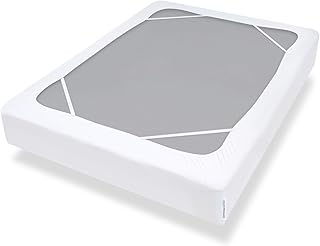
- Use fitted sheets as a temporary grip aid. Before bagging, stretch a fitted sheet over the mattress — it adds a non-slip surface that’s easier to hold than bare fabric.
- Don’t drag the mattress across concrete or asphalt. Even through a bag, abrasive surfaces chew through material and can score the mattress cover underneath.
What's inside
Moving a king-size mattress is one of those tasks that looks deceptively simple until you’re standing in a hallway with 76 inches of foam and springs wedged against a doorframe. At roughly 80 inches long and weighing anywhere from 80 to 130 pounds depending on the construction, a king mattress is genuinely awkward — it’s not heavy enough to require professional rigging, but it’s far too bulky and floppy for one person to manage alone. A torn cover, a stained surface, or a strained lower back can all result from rushing through this without a plan.
This guide walks you through every practical step: choosing the right protective gear, prepping the mattress and your home, executing the actual move, and handling transport safely. We’ll reference specific products we’ve tested and trust, and by the end you’ll know exactly what gear to grab and how to use it without overthinking the process.
As an Amazon Associate we earn from qualifying purchases.


🛒 Best Price Today on Amazon
Prime members get fast, free shipping on everything above, plus member-only deals. New members get a 30-day free trial — cancel anytime.
Start With the Right Protective Bag
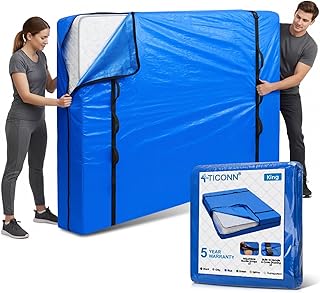
The single most important piece of gear for any mattress move is a heavy-duty storage bag.裸 mattress fabric picks up dirt, moisture, and scuffs almost immediately once it leaves the bedroom. A proper moving bag creates a complete barrier and — critically — gives you handles where there are none. Look for reinforced stitching around the handle points, a full-length zipper (not a flap closure), and material at least 6 mil thick. We’ve had good results with several options on the market: the King Mattress Bags for Moving with 12 reinforced handles offers outstanding grip distribution, while the SGPAC Heavy Duty Mattress Bag stands out for its extra-thick material that resists tearing even on rough surfaces. The TICONN Mattress Bags for Moving add adjustable buckles that let you cinch the bag tight, which reduces bulk when navigating tight corners. For a straightforward, reliable option, the Nordic Elk King Size Mattress Bag provides eight heavy-duty handles and a zipper built to last through multiple moves.
Slide the bag open on the floor, tip the mattress onto its long edge, and feed it in like you’re putting a pillowcase on the world’s largest pillow. Zip it fully before attempting any lift — a half-closed bag shifts and bunches and makes everything harder.
Clear the Path Before You Lift
This step gets skipped constantly, and it’s where most moves go sideways. Walk the entire route from the bedroom to the truck or vehicle with a tape measure. Measure every doorway, hallway turn, and stairway width. A king mattress is 76 inches wide, so any opening below about 78 inches requires angling. Remove door hinges if necessary — most interior doors pop off their hinges with a simple upward lift once you tap out the pin. Pull area rugs, floor lamps, and anything at floor level out of the route entirely. If you’re going down stairs, confirm the landing space is clear enough to pivot the mattress between flights.
Team Up: You Need Two People, Minimum
There is no clever trick that makes a solo king mattress move safe. The mattress is too wide to grip from one side without it folding, and the folding stresses internal components — particularly in hybrid models like the King Size 14-Inch Medium Firm Hybrid with pocket coils and zone support, where bending can displace individually wrapped springs. With two people, each takes one short end of the mattress and walks in sync. The person at the lower end (going downstairs) should always be the stronger mover, as they bear more load on descents. Communicate every turn and stop out loud. It sounds basic, but silent coordination fails every time.
Load and Secure for Transport
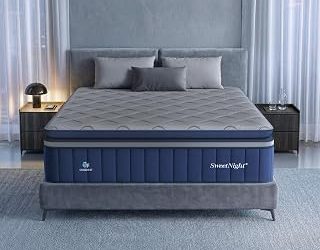
Whether you’re using a rental truck or an SUV with the seats folded, the mattress should lie flat — never leaned at a steep angle for extended driving, as this can warp the foam over time. If space forces a slight lean, keep it under 20 degrees and strap it securely. Ratchet straps work far better than bungee cords, which stretch and lose tension. Thread straps through the bag handles for a secure anchor point. If you’re transporting a new bed-in-a-box mattress — like the King Size 14-Inch Hybrid Memory Foam with pocket springs and pressure-relief layers — keep it flat from the moment you unbox it. These mattresses are designed to expand evenly in a horizontal position, and tilting them during initial expansion creates permanent unevenness in the comfort layers.
Unload With the Same Care
Reverse the process methodically. Set the mattress on a clean, flat surface immediately — a hallway with the floor wiped down works fine. Leave the protective bag on until the mattress is in its final position on the bed frame. Air it out for at least a few hours before sleeping on it, especially if it’s been sealed in plastic for more than a day. Foam retains off-gassing odors that dissipate quickly with ventilation but linger in closed rooms.
Tips
- Photograph your route first. Snap quick photos of every doorway and stairwell on your phone before you start. Having a visual reference mid-move saves minutes of second-guessing.
- Wear closed-toe shoes with grip. Slippers or bare feet while carrying a king mattress is a recipe for dropped corners and stubbed toes on furniture legs.
- Use fitted sheets as a temporary grip aid. Before bagging, stretch a fitted sheet over the mattress — it adds a non-slip surface that’s easier to hold than bare fabric.
- Don’t drag the mattress across concrete or asphalt. Even through a bag, abrasive surfaces chew through material and can score the mattress cover underneath.
Frequently Asked Questions
Can I fold a king mattress to fit through a doorway?
Memory foam mattresses can tolerate a gentle fold temporarily, but hybrid mattresses with coil systems should never be folded — doing so can permanently damage the springs and void many warranties. If the doorway is simply too narrow, remove the door and its frame trim first. Folding should be a genuine last resort, not a shortcut.
How much does a king mattress weigh for moving purposes?
A standard king hybrid mattress typically weighs between 90 and 130 pounds. Pure memory foam kings tend to fall in the 70 to 100 pound range. Regardless of weight, the real challenge is always the bulk and awkwardness of the dimensions, not the pounds on a scale.
Do I need a mattress bag if I’m just moving across town?
Yes, without question. Even a ten-minute truck ride exposes the mattress to dust, road vibration, and potential moisture. A good protective bag costs a fraction of what even a budget king mattress costs to replace. It also makes the mattress dramatically easier to carry thanks to the integrated handles.
What’s the best way to move a king mattress down stairs?
Position one person at the top and one below. The lower person guides and bears more weight. Tilt the mattress slightly so the leading edge clears the stair nosings, and move one step at a time. Never rush a staircase with a mattress — every step should be deliberate and communicated.
Conclusion
Moving a king-size mattress isn’t complicated, but it does reward preparation over improvisation. A quality protective bag with strong handles, a cleared pathway, a second set of hands, and a few minutes of planning will get your mattress from one home to the next in the same condition it left — clean, undamaged, and ready for sleep the same night.