Key takeaways
- Keep a dedicated cleaning brush set near the dispenser so you never have to search for tools when cleaning day arrives.
- If your dispenser has a hot-water tap, run the cleaning solution through it at least once; mineral scale builds fastest on heating elements.
- Store backup filters next to the unit so a swap never gets forgotten — buying a multi-pack is both cheaper and more convenient.
- After every deep clean, fill the reservoir with fresh water and dispense one full cup from each tap before drinking, to flush any remaining cleaning residue.
What's inside
Most people think of their water dispenser as a set-and-forget appliance, yet the interior reservoir, spigots, and tubing quietly accumulate biofilm, mineral crust, and stale odors over time. A unit that smells faintly “off” isn’t just unpleasant — it’s telling you that bacteria and mineral deposits have had weeks or months to settle in where you can’t easily see them.
This guide walks you through exactly how to deep-clean any type of water dispenser at home, the tools that make the job quick, and the small habits that keep things fresh between cleanings. Whether you own a countertop filter pitcher, a bottom-load cooler, or a bottle-fed stand-up unit, you’ll find practical steps you can finish in under thirty minutes.
As an Amazon Associate we earn from qualifying purchases.




🛒 Best Price Today on Amazon
Prime members get fast, free shipping on everything above, plus member-only deals. New members get a 30-day free trial — cancel anytime.
Why Regular Cleaning Matters
Water is the ideal medium for microbial growth, and the dark, damp interior of a dispenser provides it around the clock. Studies on residential water coolers have found colony counts high enough to cause unpleasant taste and gastrointestinal discomfort, especially in units older than a year. Beyond biology, hard water leaves limescale — chalky white or greenish buildup — that narrows tubing, strains heating elements, and makes every glass taste vaguely mineral. A cleaning routine that takes twenty minutes a month eliminates both problems before they snowball.
Step-by-Step: Deep Cleaning Any Dispenser
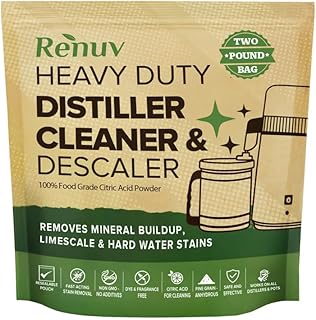
Start by unplugging the unit (or lifting out the pitcher) and draining all remaining water. Mix a cleaning solution — one popular option is a dedicated water cooler cleaning kit that comes pre-measured and works on bottom-load and top-load models alike. Alternatively, dissolve two tablespoons of food-grade citric acid, such as the Renuv bulk powder, in a gallon of warm water. Pour the solution into the reservoir and let it sit for fifteen to twenty minutes so it can dissolve mineral deposits. Next, run the solution through each spigot — hot, cold, and room-temperature if your unit has a third tap. Use a long-handled bottle brush and thin tube-cleaning brushes to scrub the spigot openings and any removable tubing where biofilm clings. After the soak, drain completely, then flush the system twice with clean, cold water before refilling.
Choosing the Right Cleaning Agent
Not every household chemical is safe for components that touch drinking water. Avoid bleach-heavy formulas and harsh detergents; they leave residues that affect taste and can degrade rubber seals over time. Food-grade citric acid is the gold standard for descaling — it breaks down calcium and magnesium deposits without corroding metal parts, and it rinses clean with no lingering flavor. White vinegar works in a pinch, but its strong odor can persist through several fill cycles. If you prefer an all-in-one approach, a purpose-made water dispenser cleaning solution is pre-diluted and pH-balanced specifically for potable-water equipment.
Filters Need Attention Too
A clean reservoir paired with a clogged filter defeats the purpose. Most activated-carbon filters — like those found in a Brita Metro pitcher or a Waterdrop WFD-22L — should be swapped every two months or roughly every 40 gallons. When you delay replacement, the filter stops reducing chlorine, PFOA, PFOS, and VOCs, and can actually become a breeding ground for bacteria trapped in the media. Keep a simple calendar reminder or rely on smart indicators like the Brita SmartLight, which tracks real usage rather than just elapsed time. If you own a Brio 520 cooler, its two-stage system means both the sediment pre-filter and the carbon block need to be changed on schedule for the unit to perform as designed.
Maintenance Frequency: What Actually Works
A practical cadence is this: wipe down exterior surfaces and the drip tray weekly; perform a full interior flush with a cleaning solution monthly; and replace filters on the manufacturer’s recommended cycle. Units that sit in warm rooms or process more than two gallons a day may need bi-weekly flushes. The good news is that once you build the habit, the entire process — fill, soak, scrub, rinse — fits into a lunch break.
Tips
- Keep a dedicated cleaning brush set near the dispenser so you never have to search for tools when cleaning day arrives.
- If your dispenser has a hot-water tap, run the cleaning solution through it at least once; mineral scale builds fastest on heating elements.
- Store backup filters next to the unit so a swap never gets forgotten — buying a multi-pack is both cheaper and more convenient.
- After every deep clean, fill the reservoir with fresh water and dispense one full cup from each tap before drinking, to flush any remaining cleaning residue.
Frequently Asked Questions
How often should I clean my water dispenser?
A thorough interior clean once a month keeps biofilm and mineral buildup under control for most households. If you notice visible residue, unusual odors, or a change in taste, clean it immediately regardless of the schedule.
Can I use bleach to clean my water cooler?
A very diluted bleach solution (one teaspoon per gallon) can disinfect the reservoir in an emergency, but it must be rinsed multiple times and can damage rubber gaskets with repeated use. Food-grade citric acid or a dedicated cooler cleaning product is safer and equally effective for routine maintenance.
Do I need to clean a countertop filter pitcher differently than a freestanding cooler?
The core process is the same — disassemble, soak, brush, rinse — but pitchers are easier to handle because every component is removable. With a large cooler, pay extra attention to the spigots and internal tubing, which are harder to reach but accumulate the most residue.
What signs tell me my dispenser needs immediate cleaning?
White or greenish crust around spigots, a musty or swampy smell when you pour, visible floating particles, or a persistent bitter or metallic taste all point to buildup or microbial growth that requires a prompt deep clean and possibly a filter change.
Conclusion
A water dispenser is only as clean as the maintenance behind it — the good news is that keeping one in top shape is fast, inexpensive, and well within anyone’s routine. Grab a citric acid cleaner or a dedicated kit, set a monthly reminder, swap filters on schedule, and every glass you pour will taste exactly as fresh as it should.