Our Top Picks
The Hatch Restore 3 suits shoppers who want light, sound and a bedtime routine in one bedside device; the Echo Spot suits households already built around Alexa; the Google Nest Hub suits Google-first homes that want a sunrise-style wake-up; and the Loftie suits people who want a phone-free bedroom with a gentler two-stage alarm and no subscription. Everything below is drawn from maker descriptions and independent roundups, so treat the specs as what the makers and outlets report rather than guaranteed performance in your room.
What “smart” actually means for an alarm clock
The label covers three quite different ideas, and mixing them up is the most common reason people return one of these devices.
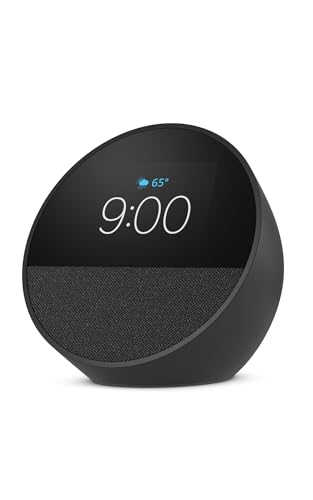
Amazon Echo Spot, Great for nightstands, offices and kitchens, Smart alarm clock, Designed for Alexa+, Black
Chosen because it specifies Great for nightstands and offices and kitchens.
View on Amazon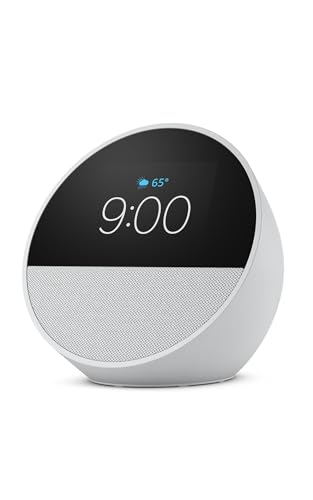
Amazon Echo Spot, Great for nightstands, offices and kitchens, Smart alarm clock, Designed for Alexa+, Glacier White
Chosen because it specifies Great for nightstands and offices and kitchens.
View on Amazon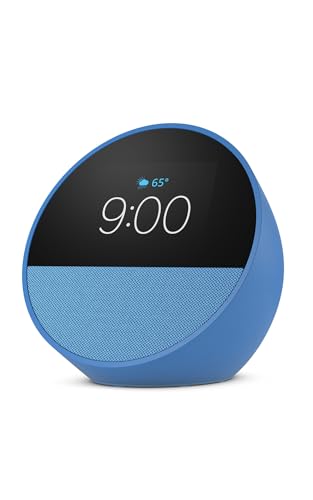
Amazon Echo Spot, Great for nightstands, offices and kitchens, Smart alarm clock, Designed for Alexa+, Ocean Blue
Chosen because it specifies Great for nightstands and offices and kitchens.
View on Amazon
Mee 2ou Smart Alarm Clock with White Noise & Night Light for Bedrooms | 25 soothing sounds, adjustable volume, snooze & sleep timer for kids, adults, teens, and heavy sleepers
Chosen because it specifies 25 soothing sounds and adjustable volume.
View on Amazon- Voice-assistant clocks (Echo Spot, Nest Hub) wake you with music, radio or tones and also answer questions, run timers and control other smart devices. The alarm is one feature among many.
- Sleep-routine clocks (Hatch Restore 3, Loftie) are built around bedtime and wake-up. They combine sound libraries, a dim nightlight and scheduled routines, usually through a phone app for setup.
- Sunrise-simulation clocks add a light that brightens gradually before the alarm. Some also sit in the smart category through apps and scheduling.
Reviewers note that a sunrise fade on an assistant screen is more of a convenience than a dedicated light source. If gradual light matters most to you, read the sunrise-clock testing from outlets that measure brightness, not just the feature list.
At a glance: the main contenders
| Model | Best for | Key stated features | Limits |
|---|---|---|---|
| Hatch Restore 3 | All-in-one light, sound and routines | Sunrise light, sound library, nightlight, app scheduling; core sounds and alarm work without the paid tier, per reviewers | Premium tier; app needed for setup; reviewers note it is Alexa-only for voice, with no Google Home or HomeKit; one tester found the sunrise dimmer than the top light-focused picks |
| Echo Spot | Alexa households, budget-minded | Small display, voice control, smart-home commands, alarms and timers | Sunrise-style fade is a convenience; camera-free but microphone-equipped, which some bedrooms avoid |
| Google Nest Hub | Google Home households | Touch display, voice assistant, sunrise-style alarm per Forbes Vetted | Tied to Google ecosystem; larger than a basic clock |
| Loftie Clock | Phone-free bedrooms | Two-phase alarm, 100+ sleep sounds reported, nightlight, Bluetooth speaker, no subscription per reviewers | Not a true sunrise alarm per one guide; mid-to-premium tier |
| Lumie Bodyclock Shine 300 | Light-first wake-ups | Chosen by one light-meter test as best for most people | Fewer smart features than the assistant-style devices |
| Philips SmartSleep | Light quality | Cited by Tom’s Guide as better if the light is your priority | Less sound variety than the Hatch-style clocks |
Hatch Restore 3: the all-rounder
Several 2026 roundups, including Forbes Vetted, Tom’s Guide and Sleepopolis, place the Restore 3 at or near the top. It brings a sunrise light, a nightlight, white noise, nature sounds and music into a single bedside unit, with scheduling handled in the maker’s app. Reviewers say the basic device, including core sounds, light control and the alarm, works without the optional subscription, while the larger content library and some extra routines sit behind it.
The trade-offs are worth reading before you buy. It is in the premium tier for a bedside clock. Setup and scheduling need the phone app, which defeats the purpose if your goal is a bedroom with no phone interaction. One roundup points out that voice control is limited to Alexa, so a Google or Apple household gets less out of it. And at least one tester measured the sunrise as dimmer than the best dedicated light clocks, so if you sleep in a very dark room and rely on light to wake, compare it with a light-focused model.
Echo Spot: the budget voice option
The Echo Spot is the assistant-style pick in Yahoo’s tested list and appears in another guide as a budget choice for people already in an Alexa home. You get voice-set alarms, timers, weather and smart-home control from the nightstand. The display is small and shows time and basic information.
The caveat is the sunrise behaviour. A guide on smart sunrise clocks describes the Echo’s fade as a convenience, not a circadian tool, meaning you should not buy it expecting dedicated light-therapy-style output. Also consider privacy preferences: it has a microphone, and some people prefer not to have an always-listening device in the bedroom. Mute controls exist, but if that bothers you, a sleep-routine clock without a voice assistant is the simpler answer.
Google Nest Hub: the Google-ecosystem pick
Forbes Vetted names the Nest Hub its best smart sunrise alarm clock. It suits a household where lights, speakers and routines already run through Google Home, since a morning routine can raise the screen brightness, read the weather and start the day’s lights. It is physically larger than a dedicated clock and the screen is on whenever you are in the room, though brightness can be dimmed or scheduled. If your phone and home are Apple-based, this is not an obvious fit.
Loftie Clock: the phone-free option
The Sleep Foundation picks the Loftie as its best overall alarm clock, and Sleepopolis calls it the best smart one. Reviewers describe a two-phase alarm: a gentle first tone and a slightly louder second one that is meant to get you out of bed, plus more than 100 sleep sounds, a nightlight and a Bluetooth speaker, with no subscription. One guide notes it is not technically a sunrise clock, so it will not simulate dawn the way a Hatch or Lumie does. It sits in the mid-to-premium tier.
Choosing by budget tier
- Budget: The Echo Spot is the usual entry point if you are already in an Alexa home. A lower-cost Hatch lookalike such as the Dreamegg, mentioned by Tom’s Guide, offers basic nature sounds and white, pink and brown noise but with simpler software.
- Mid-range: The Nest Hub and the light-focused clocks like the Lumie Bodyclock Shine 300 and Philips SmartSleep sit here, depending on the model.
- Premium: The Hatch Restore 3 and Loftie occupy this tier, and both are reviewed as full sleep-routine devices rather than simple alarms.
Fit, size and placement notes
- Check the footprint against your nightstand before buying. Display-based devices like the Nest Hub are noticeably larger than puck-style clocks.
- Choose a spot where the light can reach your face but is not blocked by a lamp or book stack; sunrise features depend on the light being visible when you are asleep.
- Look at the power setup. Most use a plug-in adapter, so you need an outlet within cable reach, and the cable length varies by model, so read the maker’s listing.
- Confirm Wi-Fi band support in your home before purchase, since some devices connect only on certain bands.
- Read the maker’s manual about use with children and in nurseries. Devices marketed for sleep routines are not safety monitors, and should not replace supervision.
Pick X if…
| If you want… | Pick | Why |
|---|---|---|
| One device for light, sound and a bedtime routine | Hatch Restore 3 | Most widely ranked first in 2026 roundups |
| Voice control on a modest budget | Echo Spot | Alexa features in a small display |
| Integration with Google Home routines | Nest Hub | Ecosystem fit and sunrise-style alarm |
| A phone-free bedroom with no subscription | Loftie | Two-phase alarm and sound library, per reviewers |
| Best possible dawn-style light | Lumie or Philips | Chosen for light quality in testing roundups |
| Plain noise masking only | A white-noise machine such as Yogasleep Dohm | Not an alarm clock; fan-style noise without apps |
Care and safety notes
Keep any plug-in device away from water and from bedding that could cover vents or the power adapter. Wipe the surface with a dry or slightly damp soft cloth, following the maker’s cleaning instructions, and unplug before cleaning. If a cable or adapter becomes warm, damaged or frayed, stop using it and contact the maker. Light-based wake-up features are for convenience; if you have persistent trouble sleeping or waking, a doctor is the right person to ask.
Alternatives worth a look
- Dedicated sunrise clocks such as the Lumie Bodyclock Shine 300 or Philips SmartSleep if light quality is the priority and apps are not.
- A plain digital clock with a loud tone if you want zero connectivity and nothing to update.
- A phone alarm with a separate white-noise machine if you already own both and only want better sound variety.
Frequently Asked Questions
Do smart alarm clocks need a subscription?
Not always. Reviewers report that the Hatch Restore 3 works for its core sounds, light and alarm without the optional paid tier, and that the Loftie has no subscription. Assistant-style devices like the Echo Spot and Nest Hub use the assistant’s free features for alarms. Always read the maker’s listing for what is included.
Is a smart alarm clock better than my phone?
It depends on your habits. A dedicated clock keeps the phone out of reach, which many sleep guides suggest for a calmer bedroom. The downside is another device to set up and keep updated, so choose one only if the added features fit how you wake.
Do smart alarm clocks have real sunrise simulation?
Some do and some only approximate it. Dedicated light clocks are tested with light meters by some outlets, while assistant displays brighten the screen, which reviewers describe as a convenience. Read independent brightness testing if this feature matters most.
Which smart alarm clock works without Wi-Fi?
Many need Wi-Fi for setup at least, and assistant displays need it for most features. Makers differ on offline behaviour, so check the product page for whether alarms keep running if the connection drops.
Are these clocks suitable for a child’s room?
Some sleep-routine clocks are marketed for kids’ rooms, but they are not safety or monitoring devices. Follow the maker’s manual on placement and cords, keep cables out of reach, and use age-appropriate settings.
How loud do smart alarm clocks get?
Volume varies by model and is rarely quoted as a decibel figure by makers. If you are a heavy sleeper, look for two-stage alarms, a separate loud tone, or a clock built around a stronger alarm rather than a quiet sleep-sound speaker.