Key takeaways
- Material and tip composition: Look for EVA foam or soft-grip tips rather than hard plastic. A softer contact point grabs the workpiece without marring it and absorbs the micro-vibrations that cause your hand to fatigue over long rip cuts.
- Ergonomic handle design: A contoured, dual-handle grip distributes force evenly across your palm. Handles that angle slightly forward let you push through the cut without cocking your wrist into an awkward position that invites fatigue or slippage.
- Push stick vs. push block: Push sticks excel at guiding stock through rip cuts where your hand stays to the side of the blade. Push blocks press down on top of the workpiece and are better for crosscuts, routing, or jointing. Some sets include both—worth considering if you do varied work.
- Set quantity and value: Push sticks break, get misplaced, or end up permanently loaned to a buddy. Buying a multi-pack means a spare is always within arm’s reach, which is exactly the point—if you’re hunting for the only one in the shop, you’re already tempted to skip it.
- Compatibility with your setup: Check the heel depth and overall profile. A stick with a deeper heel bites more aggressively into the workpiece edge, which is helpful for wide boards but can be cumbersome when feeding thin stock through a router table fence.
What's inside
Anyone who has spent time behind a table saw knows the uneasy feeling that creeps in when a narrow offcut starts drifting toward the blade. Fingers get dangerously close, the workpiece vibrates, and suddenly a routine rip cut feels like a coin flip. The problem isn’t a lack of options on the market—it’s that most buyers grab the first plastic stick they see without thinking about grip, vibration damping, or whether it actually fits their saw’s miter slot and fence setup.
This guide cuts through the noise. We tested and compared the top-rated push sticks available in 2026, weighing build material, ergonomic design, vibration control, and real-world usability. Below you’ll find our curated picks plus a straightforward buying framework so you can match the right push stick to your shop and workflow.
As an Amazon Associate we earn from qualifying purchases.


How to Choose a Push Stick For Table Saw (2026)
- Material and tip composition: Look for EVA foam or soft-grip tips rather than hard plastic. A softer contact point grabs the workpiece without marring it and absorbs the micro-vibrations that cause your hand to fatigue over long rip cuts.
- Ergonomic handle design: A contoured, dual-handle grip distributes force evenly across your palm. Handles that angle slightly forward let you push through the cut without cocking your wrist into an awkward position that invites fatigue or slippage.
- Push stick vs. push block: Push sticks excel at guiding stock through rip cuts where your hand stays to the side of the blade. Push blocks press down on top of the workpiece and are better for crosscuts, routing, or jointing. Some sets include both—worth considering if you do varied work.
- Set quantity and value: Push sticks break, get misplaced, or end up permanently loaned to a buddy. Buying a multi-pack means a spare is always within arm’s reach, which is exactly the point—if you’re hunting for the only one in the shop, you’re already tempted to skip it.
- Compatibility with your setup: Check the heel depth and overall profile. A stick with a deeper heel bites more aggressively into the workpiece edge, which is helpful for wide boards but can be cumbersome when feeding thin stock through a router table fence.
The Best Push Stick For Table Saw (2026) Reviews
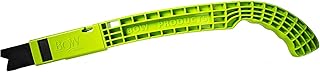
BOW Products PushPRO PP1
The PushPRO stands out for its EVA-tipped contact surface, which grips stock with almost zero vibration transmitted back to your hand. The replaceable tip design means the stick itself lasts far longer than cheaper alternatives that become smooth and unreliable after a few months of heavy use. If you rip hardwoods regularly, this is the one to buy first.
POWERTEC Deluxe Push Stick 2-Pack (71338)
POWERTEC’s dual-handle design strikes an excellent balance between control and comfort. The angled handles let you apply consistent forward pressure without straining your forearm, and the two-pack pricing makes the per-unit cost very reasonable. A solid all-rounder for shops that need reliable push sticks without a premium price tag.
POWERTEC Deluxe Push Stick 2-Pack (71511)
Very similar in form factor to the 71338, this variant offers a slightly different handle profile that some woodworkers prefer for router table use. The grip texture is aggressive enough to keep hold even with sawdust-covered hands, and the rigid body doesn’t flex under pressure on wider boards. A dependable choice if your work spans both table saw and router table duties.
Generic Red Wood Table Saw Push Stick
Budget-friendly and straightforward, this no-frills red wooden push stick gets the fundamentals right—a sturdy heel, a comfortable grip channel, and enough length to keep your hands well clear of the blade. It won’t win any design awards, but for occasional hobbyists who need a basic safety tool without overthinking it, this pick does the job.
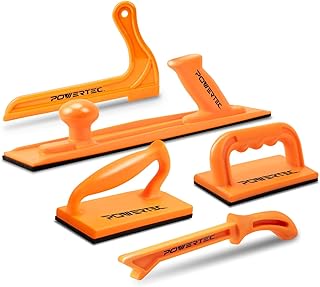
POWERTEC Push Block and Push Stick Set (71009V)
Five pieces across both push blocks and push sticks make this the most versatile set on this list. The included blocks are ideal for jointer and router table work where downward pressure matters, while the sticks handle table saw rip cuts. For someone outfitting a new shop from scratch, buying one set and being done with it is genuinely appealing.
Frequently Asked Questions
Can I make my own push stick instead of buying one?
You can, and many experienced woodworkers do. However, store-bought sticks are engineered for consistent heel geometry, grip texture, and impact resistance. Homemade versions from plywood or MDF tend to splinter and lose their heel quickly, which defeats the safety purpose.
How often should I replace my push stick?
Inspect the contact surface and heel before each session. If the tip feels smooth, the heel is chipped, or the body shows cracks, replace it immediately. A worn push stick can slip during a cut, which is exactly the scenario you’re trying to avoid.
Do I need both a push stick and a push block?
Ideally, yes. They serve different functions: push sticks guide stock laterally through rip cuts, while push blocks apply downward pressure for crosscuts, routing, and jointing. Owning both covers the full range of common shop operations.
Are EVA-tipped push sticks worth the extra cost?
For anyone doing extended rip cuts in hardwood, absolutely. The vibration reduction reduces hand fatigue noticeably, and the superior grip means less force is needed to keep the workpiece tracking straight. Over time, the replaceable tip also makes them more economical than repeatedly replacing cheaper all-plastic sticks.
Final Thoughts
If we had to narrow it to a few recommendations: the BOW Products PushPRO PP1 is the best single push stick for vibration-sensitive work, the POWERTEC 71338 two-pack is the best value for everyday shop use, and the POWERTEC 71009V five-piece set is the smartest buy for anyone setting up a new workspace. Whichever you choose, the important thing is keeping one within reach every single time you power on the saw.