Key takeaways
- PSI and GPM Balance: Higher PSI breaks loose stubborn stains, but gallons per minute determine how fast you rinse them away. For most residential siding, 2000–3000 PSI paired with at least 1.5 GPM hits the sweet spot without risking paint damage.
- Power Source: Electric units are quieter, lighter, and need zero engine maintenance — ideal for weekly upkeep. Gas models deliver raw muscle for annual deep cleans or large properties but demand fuel, oil changes, and more storage space.
- Nozzle Versatility: A 5-nozzle set lets you dial between a fan for broad siding passes and a pinpoint stream for stubborn mildew in mortar joints. Fewer tips means more compromise mid-job.
- Cleaning Solution Compatibility: An onboard soap tank or detergent siphon saves constant bottle-dipping. Pairing your washer with a purpose-built cleaner like the Oxy Solve concentrate lifts biological stains without etching delicate surfaces.
- Build Quality and Warranty: Look for steel-braided hoses, aluminum or triplex pumps, and frames that won’t flex on uneven ground. A solid pump warranty (ideally two years or more) signals the manufacturer stands behind the components that actually matter.
What's inside
Every spring, homeowners stare down the same wall of grime: streaky siding, dingy brick, mildew creeping along fascia boards. Renting a unit from the big-box store sounds frugal until you realize the checkout line, the drive home, and the 48-hour return window eat up your entire weekend. Buying the right pressure washer — and pairing it with a proper cleaning solution — turns a miserable chore into a two-hour satisfaction project.
This guide breaks down six standout products: four pressure washers spanning budget electric to pro-grade gas, plus a dedicated cleaning concentrate that saves your siding from unnecessary chemical damage. Each pick is evaluated on real-world performance, ease of setup, and long-term value — not marketing hype. Whether you’re refreshing a two-story colonial or keeping a vinyl ranch tidy, the lineup below has you covered.
As an Amazon Associate we earn from qualifying purchases.


How to Choose a Pressure Washer House Cleaner in 2026
- PSI and GPM Balance: Higher PSI breaks loose stubborn stains, but gallons per minute determine how fast you rinse them away. For most residential siding, 2000–3000 PSI paired with at least 1.5 GPM hits the sweet spot without risking paint damage.
- Power Source: Electric units are quieter, lighter, and need zero engine maintenance — ideal for weekly upkeep. Gas models deliver raw muscle for annual deep cleans or large properties but demand fuel, oil changes, and more storage space.
- Nozzle Versatility: A 5-nozzle set lets you dial between a fan for broad siding passes and a pinpoint stream for stubborn mildew in mortar joints. Fewer tips means more compromise mid-job.
- Cleaning Solution Compatibility: An onboard soap tank or detergent siphon saves constant bottle-dipping. Pairing your washer with a purpose-built cleaner like the Oxy Solve concentrate lifts biological stains without etching delicate surfaces.
- Build Quality and Warranty: Look for steel-braided hoses, aluminum or triplex pumps, and frames that won’t flex on uneven ground. A solid pump warranty (ideally two years or more) signals the manufacturer stands behind the components that actually matter.
The Best Pressure Washer House Cleaner (2026) Reviews
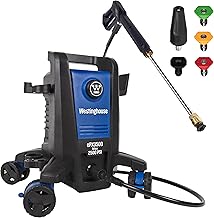
Westinghouse ePX3500 Electric Pressure Washer
At 2500 max PSI with a steady 1.76 GPM, the ePX3500 punches above its weight for an electric unit. The anti-tipping base is a genuinely clever touch — no more wrestling a top-heavy machine back upright on a sloped driveway. The onboard soap tank and pro-style steel wand round out a package that feels more premium than its price tag suggests.
Oxy Solve House and Siding Cleaner
This one-gallon concentrate is the unsung hero of the roundup. It dissolves mold and mildew on vinyl, wood, brick, stucco, and aluminum without the corrosive bite of bleach-based alternatives. A little goes a long way: dilute it in your washer’s soap tank, let it dwell for a few minutes, then rinse. The difference is immediate and genuinely impressive.
DeWalt 3300 PSI Gas Pressure Washer
The DXPW3300-S bridges the gap between homeowner convenience and contractor-level output. Its AAA axial cam pump delivers consistent 3300 PSI through a generous 25-foot hose, and the ergonomic spray gun reduces hand fatigue during longer sessions. If your property has more than 2,000 square feet of exterior surface, this is the machine that keeps pace without burning you out.
Greenworks 3000 PSI Brushless Electric
Brushless motors are the single biggest upgrade in electric pressure washing right now, and Greenworks executes it well here. You get gas-rivaling 3000 PSI in a unit that starts with a button, runs near-silent, and needs nothing beyond a standard outdoor outlet. It’s an exceptional pick for suburban lots where noise and exhaust fumes are unwelcome.
Simpson Aluminum Series ALH3425
Rated at 3600 PSI with 2.5 GPM, this is the heavyweight of the group. The Honda GX200 engine is legendary for reliability, and the AAA triplex pump holds pressure steadily through marathon cleaning sessions. The 35-foot hose gives you serious reach, and the steel frame shrugs off years of garage storage. If you’ve got the budget and the square footage, this is the last washer you’ll need to buy for a decade.
Frequently Asked Questions
Can I use a pressure washer on painted wood siding?
Yes, but keep the PSI at or below 2000 and use a 40-degree (white) nozzle held at least 12 inches from the surface. Higher pressure will lift paint and force water behind boards, creating hidden moisture problems.
Do I need a special cleaner for my pressure washer?
Water alone handles general dirt, but biological stains from mold, mildew, or algae really benefit from a dedicated solution. Products like the Oxy Solve concentrate are formulated to work inside a washer’s soap injection system and won’t corrode internal components the way dish soap sometimes can.
Electric or gas — which lasts longer?
Gas engines with proper maintenance routinely run 10 to 15 years. Brushless electric motors can match that lifespan with virtually zero upkeep, though the pump itself remains the wear item on any pressure washer regardless of power source.
Is 3000+ PSI overkill for a typical home?
For vinyl siding, yes — it’s more pressure than you need and risks forcing water behind panels. But for concrete driveways, stone patios, and heavily stained brick, that extra power cuts job time in half. A variable-nozzle system lets you dial back when the surface calls for gentleness.
Final Thoughts
For most homeowners, the Westinghouse ePX3500 delivers the best balance of power, convenience, and price. Pair it with the Oxy Solve concentrate for genuinely professional-looking results. If your property demands serious muscle, the Simpson ALH3425 is worth every penny of the investment. Any combination of these picks will transform your home’s exterior this season.