Key takeaways
- Power capacity: Add the running watts of the appliances you need most, then allow extra capacity for motors and compressors during startup.
- Fuel flexibility: Gasoline is widely available, while propane and natural gas can offer convenient alternatives during longer outages; dual-fuel and tri-fuel models provide more choice.
- Connection options: Look for the outlets and amperage your home requires, and confirm transfer-switch compatibility before attempting a whole-home or selected-circuit connection.
- Noise and controls: Inverter designs are often better suited to quieter settings, while electric start, remote start, and clear control panels make daily operation easier.
- Safety and storage: Use every generator outdoors, far from doors and windows, with carbon monoxide protection and proper fuel storage; never operate one in a garage or enclosed space.
What's inside
When the power goes out, the best portable generator is not necessarily the one with the biggest number on the box. Homeowners also need to think about startup surges, fuel availability, noise, safe placement, outlet types, and whether the unit can connect to a transfer switch. A generator that feels manageable on a calm afternoon may be far less convenient during a winter outage or overnight emergency.
This guide focuses on practical home comfort: keeping essential appliances, refrigeration, heating equipment, lights, and selected electronics running without turning setup into a major project. We compare portable gas, dual-fuel, and tri-fuel options, paying attention to capacity, controls, portability, and the details that matter after the first hour of use.
As an Amazon Associate we earn from qualifying purchases.


How to Choose a Portable Generator Home Backup (2026)
- Power capacity: Add the running watts of the appliances you need most, then allow extra capacity for motors and compressors during startup.
- Fuel flexibility: Gasoline is widely available, while propane and natural gas can offer convenient alternatives during longer outages; dual-fuel and tri-fuel models provide more choice.
- Connection options: Look for the outlets and amperage your home requires, and confirm transfer-switch compatibility before attempting a whole-home or selected-circuit connection.
- Noise and controls: Inverter designs are often better suited to quieter settings, while electric start, remote start, and clear control panels make daily operation easier.
- Safety and storage: Use every generator outdoors, far from doors and windows, with carbon monoxide protection and proper fuel storage; never operate one in a garage or enclosed space.
The Best Portable Generator Home Backup (2026)s Reviewed
Generac 6,875-Watt Portable Gas Generator
This Generac is a sensible middle-ground choice for households that want useful emergency capacity without moving into the largest, heaviest generator class. Its electric start, wheels, handle kit, RV-ready outlet, and advertised 5,500 running watts make it practical for powering refrigeration, lighting, a sump pump, and selected household circuits. It runs on gasoline only, so buyers should plan for safe fuel storage and regular maintenance.
Westinghouse 5,000-Watt Dual-Fuel Inverter Generator
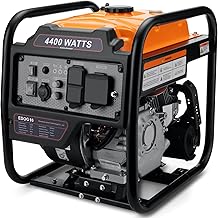
The Westinghouse 5,000 Peak Watt Super Quiet Dual Fuel Portable Inverter Generator suits smaller homes, apartments with suitable outdoor space, and anyone who values a calmer operating profile. Gas and propane support adds resilience, while remote electric start, a CO sensor, RV readiness, and parallel capability improve convenience. Its output is best suited to essentials rather than a large collection of high-demand appliances running together.
Westinghouse 12,500-Watt Dual-Fuel Generator
For buyers who want substantial home-backup capacity without requiring natural-gas service, this 12,500-watt Westinghouse is a strong dual-fuel option. Remote electric start and transfer-switch readiness make it more appropriate for planned household backup than a basic camping generator, although its size and weight mean it needs a permanent, accessible outdoor storage spot and a realistic moving plan.
Westinghouse 14,500-Watt Tri-Fuel Generator
This is the high-capacity pick for homes with several demanding essentials, such as a well pump, freezer, refrigerator, heating equipment, and selected kitchen appliances. Its ability to use gasoline, propane, or natural gas gives homeowners valuable flexibility during extended outages. Before choosing it, confirm that the installation location, fuel connections, wiring, and transfer-switch setup can safely support a generator of this scale.
Westinghouse 13,500-Watt Tri-Fuel Generator
The 13,500-watt tri-fuel model offers nearly the same broad fuel flexibility while occupying a slightly less extreme position in the lineup. It is well suited to households that want robust backup for multiple circuits and prefer the convenience of remote electric start. As with any large portable generator, the purchase makes the most sense when paired with professional electrical planning rather than improvised extension-cord use.
Frequently Asked Questions
What size portable generator is enough for home backup?
That depends on which circuits you intend to operate. A smaller unit may cover refrigeration, lights, internet equipment, and a few outlets, while larger homes may need 10,000 watts or more for pumps, heating systems, kitchen appliances, and other motor-driven loads. Create a written load list before shopping.
Is dual fuel or tri-fuel better?
Neither is automatically better. Dual-fuel models use gasoline and propane, while tri-fuel models add natural gas. Choose based on which supplies are available at your home, how long you expect outages to last, and whether a qualified professional can complete the required connections.
Can a portable generator power the entire house?
It can support an entire home only when its capacity and electrical setup are appropriate. A transfer switch or approved interlock installed by a qualified electrician is essential for connecting generator power to household circuits. Never backfeed a home through a wall outlet.
Where should a portable generator operate?
Always operate it outdoors, well away from the house, doors, windows, and vents, following the manufacturer’s clearance requirements. Carbon monoxide is odorless and potentially fatal, so keep working CO alarms inside the home and never use the generator in a garage, basement, porch, or shed.
Final Thoughts
The Generac 6,875-Watt model is a practical choice for essential loads, while the Westinghouse 5,000-watt inverter stands out for quieter, flexible backup. For larger homes or more demanding circuits, the Westinghouse 12,500-watt dual-fuel and 14,500-watt tri-fuel generators offer the capacity and fuel options worth considering.