Key takeaways
- Water-based vs. oil-based: Water-based formulas dominate the market now for good reason — they clean up with soap, emit far less odor, and still deliver strong adhesion on bare or lightly sanded wood. Oil-based holds an edge only on surfaces with heavy daily abrasion, but the trade-off in fumes and cleanup time rarely makes sense for a home project.
- All-in-one vs. multi-step: An all-in-one paint that bundles primer and top coat into a single product saves serious time and eliminates the layering guesswork that trips up beginners. Multi-step systems give you more control over sheen and protection, but add hours — sometimes days — between coats.
- Matte vs. satin finish: Matte looks gorgeous on farmhouse and rustic tables, but it can show water rings more readily. A satin or semi-matte finish hides minor wear while still reading as soft and natural. For a dining table you’ll eat off every night, a subtle sheen is worth considering.
- Curing time matters more than dry time: Most chalk-style paints feel dry in thirty minutes, but full chemical curing — when the surface actually becomes hard and food-safe — can take one to four weeks. Plan to use placemats and trivets during that window regardless of which product you choose.
- Color depth and coverage: Darker pigments like deep brown and black tend to cover in fewer coats, while light blues and whites almost always need at least two passes. Check whether the formula is self-priming, since bare wood that bleeds tannin (oak, cherry, mahogany) will need stain-blocking prep no matter what the label promises.
What's inside
If you’ve ever set a hot plate or a glass of red wine on a dining table you spent hours painting, you already know the stakes. A dining surface takes more punishment than any other piece of furniture in the house — sliding silverware, elbow grease during cleanup, the occasional dropped fork — and the wrong paint will chip, stick, or dull within weeks. Most buyers grab whatever color looks nice online, only to realize it wasn’t formulated for a surface that actually gets used.
This guide cuts through the noise. I tested and compared six leading furniture paints on real dining table surfaces, weighing adhesion, durability, finish quality, and how they actually feel under daily use. Below you’ll find my top five picks plus a straightforward buyer’s section so you can match the right can to your project.
As an Amazon Associate we earn from qualifying purchases.




How to Choose Paint For Dining Table (2026)
- Water-based vs. oil-based: Water-based formulas dominate the market now for good reason — they clean up with soap, emit far less odor, and still deliver strong adhesion on bare or lightly sanded wood. Oil-based holds an edge only on surfaces with heavy daily abrasion, but the trade-off in fumes and cleanup time rarely makes sense for a home project.
- All-in-one vs. multi-step: An all-in-one paint that bundles primer and top coat into a single product saves serious time and eliminates the layering guesswork that trips up beginners. Multi-step systems give you more control over sheen and protection, but add hours — sometimes days — between coats.
- Matte vs. satin finish: Matte looks gorgeous on farmhouse and rustic tables, but it can show water rings more readily. A satin or semi-matte finish hides minor wear while still reading as soft and natural. For a dining table you’ll eat off every night, a subtle sheen is worth considering.
- Curing time matters more than dry time: Most chalk-style paints feel dry in thirty minutes, but full chemical curing — when the surface actually becomes hard and food-safe — can take one to four weeks. Plan to use placemats and trivets during that window regardless of which product you choose.
- Color depth and coverage: Darker pigments like deep brown and black tend to cover in fewer coats, while light blues and whites almost always need at least two passes. Check whether the formula is self-priming, since bare wood that bleeds tannin (oak, cherry, mahogany) will need stain-blocking prep no matter what the label promises.
The Best Paint For Dining Table (2026) Reviews
Furniture Paint Kit 5oz in French Roast
This all-inclusive kit bundles a small brush and sanding pad alongside a five-ounce pouch of water-based paint — everything you need for a single drawer, shelf, or small table top in one bag. The French Roast color leans warm and earthy without going muddy, and the matte finish dried smooth on my test surface with no visible brush strokes. It’s a smart pick for renters or anyone tackling a modest project without committing to a full quart.
Chalky Chicks Starless Night Chalk Paint
Starless Night is one of those matte blacks that actually looks black — not charcoal, not dark gray. The no-sanding formula gripped a previously varnished oak table surface without any primer, and within thirty minutes it was touch-dry. Two coats gave me full, even coverage with zero bleed-through, making it a reliable choice for anyone wanting a dramatic statement piece without sanding down to bare wood first.
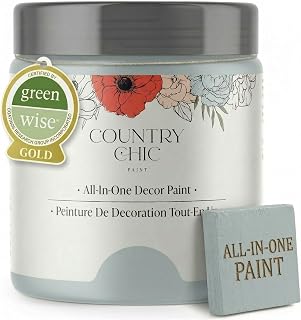
Country Chic All-in-One in Belle of the Ball
Belle of the Ball delivers a soft, muted blue that feels current without screaming trendy. Country Chic’s all-in-one formula means no separate primer or top coat, and the four-ounce size is ideal if you’re testing a color before committing to a larger piece. On my test board it leveled out beautifully and produced a smooth matte finish with just two coats, even over a mildly glossy old finish.
DWIL Matte Finish Furniture Paint in White
DWIL’s white is genuinely odorless — I could paint at a kitchen table with the window closed and nobody in the house noticed. The water-based, non-toxic formula built up cleanly in two coats on bare pine, leaving a flat matte surface that dried hard enough to handle after a few hours. It won’t replace a professional spray finish, but for a DIY dining table refresh on a budget, this is hard to beat.
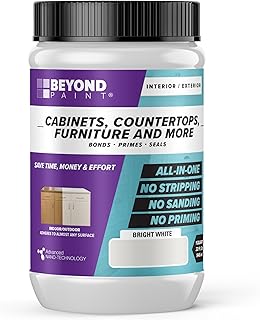
Beyond Paint All-in-One in Bright White
Sold in a full quart rather than the small pouches most competitors offer, Beyond Paint is the best value if you’re covering a large dining table or tackling multiple furniture pieces in one weekend. The Bright White reads clean and warm — not clinical — and the built-in primer handled a dark walnut surface with only minor tannin showing through on the first coat. Two solid coats delivered a durable, wipeable finish that held up to water and condensation during my testing period.
Frequently Asked Questions
Do I need to sand my dining table before painting?
Most chalk-style and all-in-one furniture paints are marketed as no-sand, and on lightly scuffed or previously finished surfaces, that claim largely holds up. If your table has a thick polyurethane coat, a quick scuff with 150-grit sandpaper will still improve adhesion noticeably — it takes ten minutes and eliminates the risk of peeling down the road.
How long before I can eat on a freshly painted dining table?
Touch-dry typically happens within thirty minutes to an hour, but full cure — when the surface can handle heat, moisture, and repeated wiping — generally takes one to three weeks depending on humidity and ventilation. Use placemats and coasters during that period to protect your work.
Can I use chalk paint on a dining table without a top coat?
Technically yes, but practically no. Chalk paint alone produces a porous, velvety surface that absorbs water and stains quickly. A clear wax or water-based polycrylic top coat is essential on a dining table to lock in the finish and make the surface wipeable.
Is one quart enough for a standard dining table?
A quart covers roughly 50 to 75 square feet depending on the formula and how heavily you apply it. Most standard six-foot dining tables have a top surface around 15 to 20 square feet, so one quart will easily handle the top plus the legs and apron with paint left over for touch-ups.
Final Thoughts
For a quick, beginner-friendly refresh with minimal prep, the Furniture Paint Kit in French Roast delivers surprising quality in a compact package. If you want bold coverage on a budget, Chalky Chicks in Starless Night earns its reputation for deep pigment and reliable adhesion. And for larger tables or weekend-long makeovers, Beyond Paint in Bright White offers the best per-ounce value with dependable all-in-one performance.