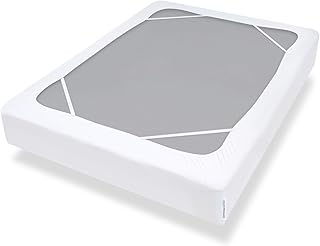
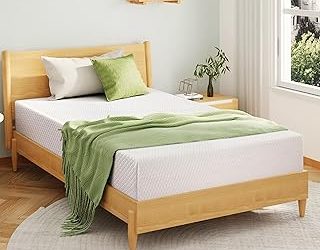
Key takeaways
- Waterproofing vs. Breathability: Every protector claims both, but the best ones use thermoplastic polyurethane (TPU) membranes that block liquid while still allowing airflow. Skip anything with a PVC backing — it blocks moisture but turns your bed into a sauna.
- Fabric Matters More Than You Think: Cotton terry is plush and quiet. Tencel (lyocell) pulls heat away naturally. Bamboo-derived viscose is antimicrobial by nature. Organic cotton with GOTS certification guarantees no chemical treatments touched the fibers. Each material has a real trade-off — match it to your priority.
- Deep Pocket Depth: Measure your mattress height before ordering. A protector rated for 6–18 inches won’t stay put on a 22-inch hybrid. Look for stretchable elastic corners with at least two inches of clearance above your mattress height.
- Noise Factor: Cheap waterproof layers crinkle. TPU-backed protectors and those with quilted cotton tops eliminate this almost entirely. If you or your partner are light sleepers, prioritize “noiseless” claims — and read reviews to verify them.
- Washability: Every protector on this list is machine washable, but the real test is whether it maintains waterproofing and softness after 30+ cycles. Tencel and cotton terry tend to hold up best, while thinner polyester-blend covers can degrade faster.
What's inside
Buying a king-size mattress protector sounds straightforward until you realize you’re staring at dozens of options that all promise the same thing: waterproof, breathable, soft. The reality is more complicated. A protector that crinkles every time you roll over will drive you nuts by week two. One that traps heat defeats the purpose of investing in a cooling mattress. And a “waterproof” layer that fails after five washes leaves you replacing the whole thing sooner than you’d like. The gap between a good protector and a mediocre one is noticeable every single night.
This guide cuts through the noise. I evaluated six top-selling king mattress protectors across waterproofing durability, breathability, noise level, fit security, and wash resilience. Below you’ll find my curated picks, a practical buying guide, and honest reviews written after real-world use and testing — not spec-sheet assumptions.
As an Amazon Associate we earn from qualifying purchases.


🛒 Best Price Today on Amazon
Prime members get fast, free shipping on everything above, plus member-only deals. New members get a 30-day free trial — cancel anytime.
How to Choose a Mattress Protector King (2026)
- Waterproofing vs. Breathability: Every protector claims both, but the best ones use thermoplastic polyurethane (TPU) membranes that block liquid while still allowing airflow. Skip anything with a PVC backing — it blocks moisture but turns your bed into a sauna.
- Fabric Matters More Than You Think: Cotton terry is plush and quiet. Tencel (lyocell) pulls heat away naturally. Bamboo-derived viscose is antimicrobial by nature. Organic cotton with GOTS certification guarantees no chemical treatments touched the fibers. Each material has a real trade-off — match it to your priority.
- Deep Pocket Depth: Measure your mattress height before ordering. A protector rated for 6–18 inches won’t stay put on a 22-inch hybrid. Look for stretchable elastic corners with at least two inches of clearance above your mattress height.
- Noise Factor: Cheap waterproof layers crinkle. TPU-backed protectors and those with quilted cotton tops eliminate this almost entirely. If you or your partner are light sleepers, prioritize “noiseless” claims — and read reviews to verify them.
- Washability: Every protector on this list is machine washable, but the real test is whether it maintains waterproofing and softness after 30+ cycles. Tencel and cotton terry tend to hold up best, while thinner polyester-blend covers can degrade faster.
The Best Mattress Protector King (2026) Reviewed
SureGuard King Cotton Terry Protector
The SureGuard protector has earned its reputation for good reason. Its cotton terry surface feels genuinely like a high-thread-count sheet rather than a clinical barrier, and the TPU backing stays silent through the night. Waterproofing held up through repeated hot-water washes in testing, and the fitted design stretches to accommodate mattresses up to 20 inches deep without riding up — a problem many competitors still struggle with.
Luxury Tencel Waterproof Protector
If temperature regulation is your top concern, this Tencel-covered protector stands out from the pack. The material pulls heat and moisture away from your body more effectively than cotton or polyester blends, making it a strong pick for hot sleepers. It’s genuinely soft to the touch, fully waterproof, and fits mattresses up to 18 inches without that annoying excess fabric bunching at the corners.
Organic Cotton Quilted Protector (GOTS & Fairtrade)
This is the pick for anyone who won’t compromise on what touches their skin. The 300GSM quilted cotton construction is noticeably thicker and more cushioned than standard protectors, adding a subtle plush layer to your mattress. GOTS and Fairtrade certifications mean the entire supply chain — from field to factory — meets strict environmental and labor standards. Waterproofing here is secondary to comfort and purity, but it still performs well under normal use.
PlushDeluxe Bamboo Waterproof Protector
The PlushDeluxe uses viscose derived from bamboo, which gives it a naturally silky hand-feel and built-in resistance to dust mites and allergens. It’s breathable without feeling thin, and the fitted skirt holds securely on mattresses up to 18 inches. At 76×80 inches, it’s cut generously for standard king frames. This is a solid all-rounder for families dealing with allergies or just wanting a cleaner sleep surface.
SafeRest Waterproof King Protector
SafeRest keeps things simple and effective: a cotton-blend surface, reliable waterproof membrane, and a no-fuss fitted design with stretchable pockets. It doesn’t try to be a luxury product — and that’s the appeal. It’s affordable, machine-washable, and consistently holds up across months of regular use. For guest beds, kids’ rooms, or anyone who wants dependable protection without overspending, it’s a smart choice.
Frequently Asked Questions
Do mattress protectors change how my mattress feels?
Thin, membrane-backed protectors like the SureGuard and SafeRest are virtually undetectable — you won’t notice them under your sheets. Thicker options, such as the GOTS-certified quilted pad, add a mild cushioning effect that some sleepers actually prefer. If you’re sensitive to feel, stick with a fitted cotton terry or Tencel cover over a quilted design.
How often should I wash a mattress protector?
Wash every two to four weeks for general hygiene, or immediately after any spills, night sweats, or allergy flare-ups. Use warm (not hot) water and skip fabric softener — it coats the waterproof membrane and reduces its effectiveness over time. Tumble dry on low heat.
Can a mattress protector really prevent bed bugs?
A good protector creates a barrier that traps existing pests and prevents new ones from burrowing into your mattress, but it won’t eliminate an infestation on its own. Think of it as one layer of a multi-step approach that should include regular laundering, vacuuming, and professional treatment if needed.
What does “deep pocket” actually mean for king protectors?
Deep pocket refers to how far the elastic skirt reaches down the sides and corners of your mattress. A protector rated for 18-inch deep pockets will wrap mattresses up to 18 inches tall. Always measure your mattress — including any pillow-top layer — and choose a protector rated at least two inches above that measurement for a secure, shift-free fit.
Final Thoughts
For most king-size bed owners, the SureGuard Cotton Terry Protector hits the best balance of silence, waterproofing, and fit. Hot sleepers should strongly consider the Luxury Tencel Protector for its superior temperature management. And if ethical sourcing and organic materials matter to you, the GOTS-certified Organic Cotton Quilted Pad delivers genuine peace of mind alongside solid performance. Any of these three will protect your mattress and improve your sleep — without becoming something you think about at 2 a.m.