Key takeaways
- Roof Construction: A hardtop gazebo with galvanized steel or twin-wall polycarbonate panels sheds rain and resists hail far better than any fabric canopy. Double-roof or tiered designs improve airflow and reduce uplift during gusts.
- Frame Material: Powder-coated aluminum or heavy-gauge steel frames resist rust and hold up to repeated seasonal use. Look for corner joints reinforced with bolts rather than rivets, which loosen over time under thermal cycling.
- Wind and Drainage Design: Check whether the manufacturer specifies a wind-load rating; anything below 30 mph is decorative only. Integrated gutter channels or sloped rooflines that route water to the legs prevent pooling on the canopy surface.
- Netting and Enclosure: Dual-layer curtains—breathable mesh for insects plus an opaque privacy screen—turn a basic shelter into a genuine three-season room. Zipper alignment matters; cheap zippers jam after one summer.
- Footprint and Anchor System: Measure the actual space available, including clearance for guy lines. Permanent gazebos need concrete anchors or heavy base plates; portable models should include ground stakes rated for the claimed wind resistance.
What's inside
Nothing ruins an outdoor evening faster than a sudden downpour whipping sideways through your patio, soaking every cushion and sending guests scrambling for cover. Shoppers searching for a “gazebo for wind and rain” run into a tangled mess of soft-top canopies marketed as storm-proof, flimsy pop-ups that buckle in a stiff breeze, and hardtop models with vague weather claims and no real performance data. Sorting signal from noise takes time most families simply do not have.
This guide cuts through the clutter by evaluating six current gazebos on the qualities that actually matter when weather turns ugly: roof material and drainage design, frame rigidity, wind-load capacity, and thoughtful touches like mosquito netting and privacy curtains. Below you will find a curated shortlist of five standouts followed by a straightforward buying framework so you can match the right structure to your yard, climate, and budget.
As an Amazon Associate we earn from qualifying purchases.


How to Choose a Gazebo For Wind And Rain (2026)
- Roof Construction: A hardtop gazebo with galvanized steel or twin-wall polycarbonate panels sheds rain and resists hail far better than any fabric canopy. Double-roof or tiered designs improve airflow and reduce uplift during gusts.
- Frame Material: Powder-coated aluminum or heavy-gauge steel frames resist rust and hold up to repeated seasonal use. Look for corner joints reinforced with bolts rather than rivets, which loosen over time under thermal cycling.
- Wind and Drainage Design: Check whether the manufacturer specifies a wind-load rating; anything below 30 mph is decorative only. Integrated gutter channels or sloped rooflines that route water to the legs prevent pooling on the canopy surface.
- Netting and Enclosure: Dual-layer curtains—breathable mesh for insects plus an opaque privacy screen—turn a basic shelter into a genuine three-season room. Zipper alignment matters; cheap zippers jam after one summer.
- Footprint and Anchor System: Measure the actual space available, including clearance for guy lines. Permanent gazebos need concrete anchors or heavy base plates; portable models should include ground stakes rated for the claimed wind resistance.
The Best Gazebo For Wind And Rain (2026)s Reviewed
Aoxun 12’x10′ Hardtop Gazebo, Brown
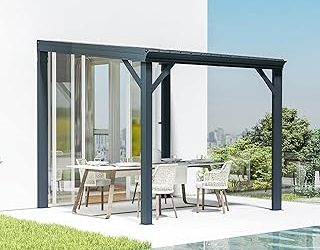
This polycarbonate double-roof gazebo strikes the best balance between rugged protection and everyday livability. The twin-wall roof panels filter harsh sunlight while the steel frame and included mosquito netting keep the space comfortable even when a storm rolls through. It is a strong pick for homeowners who want a semi-permanent pavilion without committing to a full construction project.
Aoxun 12’x16′ Hardtop Gazebo, Grey
The larger footprint and integrated drainage system make this model a standout for decks and entertaining areas. Aluminum legs keep weight manageable, and the galvanized steel double roof channels rainwater to the frame’s corners instead of letting it pour over the sides. Families that host regularly will appreciate the extra headroom and the cleaner patio floor after a storm.
Modern Shade Wood Grill Gazebo 12’x16′
For buyers who want serious structural resilience wrapped in natural warmth, this cedar gazebo delivers. The 4.6-inch posts are noticeably thicker than the industry norm, and the sloped galvanized steel roof is engineered for heavy snow loads and sustained wind. It is the top choice for anyone in a four-season climate who also values the look of real wood on a patio.
Aoxun 12×10 Metal Frame Canopy Gazebo, Gray
A budget-friendly hardtop alternative that still includes double roofs, mosquito netting, and a privacy screen. The metal frame feels sturdy for the price point, though the fabric double roof is not as durable as a steel or polycarbonate panel under prolonged exposure. Best suited for renters or buyers who plan to relocate the gazebo seasonally.
COOS BAY 11×11 Pop Up Gazebo
This instant pop-up canopy earns its spot by offering genuine water resistance and UPF 50+ UV protection in a package you can deploy in under a minute. It will not survive hurricane-force winds, but for fair-weather events with occasional showers, it is an unbeatable combination of speed, coverage, and portability. The mesh netting keeps bugs at bay without trapping heat.
Frequently Asked Questions
Can a gazebo survive strong winds without permanent anchoring?
Hardtop gazebos with steel or aluminum frames can handle moderate wind (roughly 30-50 mph) when properly staked or bolted down. Pop-up and soft-top models are generally limited to 20-30 mph. Always add weight bags or ground anchors even if the listing claims freestanding stability.
What is the difference between a polycarbonate and a galvanized steel roof?
Polycarbonate is lighter, slightly translucent, and excellent for diffusing UV light, making it ideal for seating areas. Galvanized steel is heavier, fully opaque, and offers superior impact resistance against hail and falling branches. Both outperform fabric canopies in wet conditions.
Do hardtop gazebos require professional installation?
Most hardtop models ship with illustrated assembly instructions and can be built by two people in four to six hours using basic tools. Professional installation is recommended if you plan to bolt the structure to a concrete pad or attach it near an existing structure.
How do I maintain a gazebo through winter?
Clear accumulated snow promptly to avoid overloading the roof, even on models rated for snow loads. Inspect bolts and joints at the start and end of each season, retighten as needed, and apply rust-inhibiting spray to any scratches on the metal frame.
Final Thoughts
For the best all-around performance in wind and rain, the Aoxun 12’x16′ Hardtop Gazebo with Drainage System leads the pack thanks to its robust steel roof and smart water management. Buyers who prefer natural materials and maximum structural strength should look closely at the Modern Shade Cedar Grill Gazebo, while the Aoxun 12’x10′ Hardtop in Brown remains a reliable mid-size option that punches above its weight. Whichever model you choose, proper anchoring is non-negotiable—no roof material compensates for a base that walks in the first storm.