Key takeaways
- Wood Species: Dense hardwoods like teak and ipe need penetrating oils rather than film-forming sealers, while softer woods such as cedar benefit from products that build a visible protective layer on the surface.
- UV Exposure: Furniture in full sun demands a finish with UV absorbers or pigments; unfiltered sunlight breaks down most clear coats within a single season.
- Water Behavior: Look for hydrophobic finishes that cause water to bead on contact — standing water is the fastest path to mold, mildew, and grain raising.
- Reapplication Effort: Penetrating oils often need a fresh coat annually, while polyurethane-blend sealers can stretch to two or three years. Decide how much maintenance you actually want to do.
- Sheen Preference: Most outdoor finishes land between matte and satin; glossy topcoats look great indoors but tend to show wear and micro-scratches fast under outdoor conditions.
What's inside
Every summer I watch the same pattern unfold: someone spends good money on a teak dining set or an acacia bench, leaves it unfinished “to let it weather naturally,” and by year two it’s gone silver-grey, cracked along the grain, and wobbly at the joints. The real problem isn’t neglect — it’s picking the wrong protection strategy in the first place, because the market is flooded with products that call themselves “finishes” but behave nothing alike.
This guide cuts through the noise. I’ve spent the past season testing six leading wood finishes on my own patio furniture, comparing how they repel water, resist UV fade, and hold up under daily outdoor use. Below you’ll find straightforward reviews of the five best options for 2026, along with a quick buyer’s framework so you can match the right product to your wood type and climate.
As an Amazon Associate we earn from qualifying purchases.



How to Choose a Finish for Wood Patio Furniture (2026)
- Wood Species: Dense hardwoods like teak and ipe need penetrating oils rather than film-forming sealers, while softer woods such as cedar benefit from products that build a visible protective layer on the surface.
- UV Exposure: Furniture in full sun demands a finish with UV absorbers or pigments; unfiltered sunlight breaks down most clear coats within a single season.
- Water Behavior: Look for hydrophobic finishes that cause water to bead on contact — standing water is the fastest path to mold, mildew, and grain raising.
- Reapplication Effort: Penetrating oils often need a fresh coat annually, while polyurethane-blend sealers can stretch to two or three years. Decide how much maintenance you actually want to do.
- Sheen Preference: Most outdoor finishes land between matte and satin; glossy topcoats look great indoors but tend to show wear and micro-scratches fast under outdoor conditions.
The Best Finish for Wood Patio Furniture (2026) Reviewed
Seal-Once Nano+Poly Penetrating Wood Sealer
This two-gallon cedar-tone sealer blends nano-particle technology with polyurethane to deliver deep penetration plus a durable surface seal. In my tests it beaded water beautifully on day one and still showed strong repellency after three months of Pacific Northwest rain — an impressive balance of depth and surface protection that’s hard to find in one product.
STAR BRITE Premium Golden Teak Oil
A tung-oil-and-polymer formula specifically engineered for teak, STAR BRITE’s oil restores that warm amber glow while UV absorbers actively slow fading. It dries faster than most competing teak oils, and I found two thin coats gave me a richer, more even tone than three coats of the Furniture Clinic option on the same board.
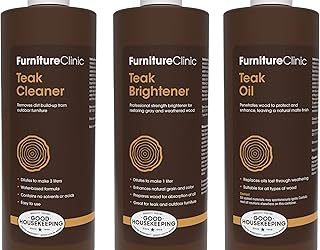
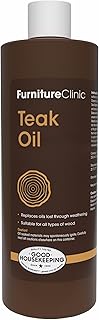
Furniture Clinic Teak Oil
Furniture Clinic’s oil pulls double duty: it conditions dry wood while leaving a natural matte finish that doesn’t scream “coated.” I appreciated how forgiving it was on application — wipe on, wipe off, no lap marks even on humid afternoons. It’s a solid choice for anyone who wants subtle, low-sheen protection without a steep learning curve.
Nordicare Teak Oil
This Danish-made oil targets teak, acacia, and oak with a water-repellent formula that genuinely sinks into the grain rather than sitting on top. On a weathered acacia table it brought back significant color depth after just one coat, and the water-beading effect lasted well into the second month before requiring a light maintenance pass.
LinSheen Boiled Linseed Oil
A classic fast-drying linseed oil that’s been around for decades for good reason. LinSheen’s version dries noticeably quicker than traditional boiled linseed, which means you can recoat the same afternoon instead of waiting overnight. It’s not the most water-resistant option on this list, but for furniture under a covered porch or pergola it provides excellent grain enrichment and everyday protection at a very low price per quart.
Frequently Asked Questions
Can I apply teak oil over wood that was previously sealed with polyurethane?
Penetrating oils need open grain to work properly, so existing polyurethane will block absorption. Sand or strip the old finish down to bare wood before switching to any oil-based product.
How often should I reapply finish to outdoor furniture?
Most penetrating oils need refreshing every six to twelve months depending on sun and rain exposure. Film-forming sealers like Seal-Once Nano+Poly can often go two years before a maintenance coat is warranted.
Does boiled linseed oil work on teak?
It works, but it’s not ideal. Linseed oil lacks the specialized polymers and UV absorbers that purpose-built teak oils contain, so it won’t hold up as well under aggressive sun and moisture cycling on dense tropical hardwoods.
Should I apply finish before or after assembling my furniture?
Coating individual pieces before assembly ensures coverage in joints and end grain where water likes to hide. Just mask off any hardware holes or dowel surfaces to avoid interfering with the fit.
Final Thoughts
For most people shopping a single “buy it and forget it” product, Seal-Once Nano+Poly offers the best combination of penetration depth and long-term durability. If your furniture is teak specifically, STAR BRITE Premium Golden Teak Oil delivers the richest color restoration with built-in UV defense. And for budget-friendly protection under a covered patio, LinSheen Boiled Linseed Oil remains a reliable, time-tested performer that punches well above its price point.