Key takeaways
- Double Rub Count: Dining chairs endure constant friction. Look for fabric rated above 15,000 double rubs; anything below that will show wear within a year of daily meals.
- Weight Per Square Yard: Heavier fabrics (typically 8–12 oz per square yard) drape over seat frames without shifting and resist pulls from pet claws or clothing zippers far better than lightweight craft cloth.
- Cleanability: Dining rooms are spill zones. Faux leather and solution-dyed polyester wipe clean in seconds, while natural-look blends may need professional treatment after a red wine incident.
- Stretch and Recovery: Fabrics with a small amount of mechanical stretch conform smoothly around curved seat pans and rounded corners, giving a professional finish even for first-time DIYers.
- Colorfastness: South-facing dining rooms and overhead recessed lighting will fade poorly dyed fabric fast. Check for UV-resistance ratings or solution-dyed construction to keep colors true for years.
What's inside
Reupholstering dining chairs is one of those weekend projects that promises a quick transformation — until you actually start shopping for fabric. The online marketplace is flooded with listings that all look similar in thumbnail photos, but the reality of weight, weave durability, and cleanability varies wildly. A beautiful linen-look material can pill after three months of daily seating, and a bargain bolt can turn out to be too sheer for the job entirely. The result is wasted money, a half-finished dining set, and a lingering sense that you should have just bought new chairs.
This guide cuts through the noise. We tested and compared the most popular upholstery fabrics available on Amazon for dining chair projects in 2026 — evaluating durability, feel, ease of handling, and how they actually hold up after weeks of real use. Whether you want a classic woven look or a wipe-clean surface for a kid-heavy household, these five picks each solve a specific problem.
As an Amazon Associate we earn from qualifying purchases.


How to Choose Fabric For Reupholstering Dining Chairs (2026)
- Double Rub Count: Dining chairs endure constant friction. Look for fabric rated above 15,000 double rubs; anything below that will show wear within a year of daily meals.
- Weight Per Square Yard: Heavier fabrics (typically 8–12 oz per square yard) drape over seat frames without shifting and resist pulls from pet claws or clothing zippers far better than lightweight craft cloth.
- Cleanability: Dining rooms are spill zones. Faux leather and solution-dyed polyester wipe clean in seconds, while natural-look blends may need professional treatment after a red wine incident.
- Stretch and Recovery: Fabrics with a small amount of mechanical stretch conform smoothly around curved seat pans and rounded corners, giving a professional finish even for first-time DIYers.
- Colorfastness: South-facing dining rooms and overhead recessed lighting will fade poorly dyed fabric fast. Check for UV-resistance ratings or solution-dyed construction to keep colors true for years.
The Best Fabric For Reupholstering Dining Chairs (2026) Reviewed
TinaKim Thick Upholstery Faux Linen
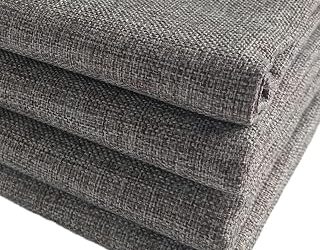
At 57 × 72 inches per two-yard cut, this is the most practical quantity for a standard set of four dining chairs. The faux linen weave has a convincing natural texture and enough body to pull taut without telegraphing every imperfection underneath. Grey Blue is a versatile neutral that hides minor stains between cleanings — a real advantage in households with children or frequent dinner guests.
LaSilk Premium Faux Linen
LaSilk’s offering justifies its higher per-yard cost with noticeably tighter weaving and a heavier hand feel compared to budget alternatives. Sold by the single yard, it works best for buyers who want to sample before committing or who need just a small amount for a couple of accent chairs. The Navy Blue reads rich and saturated in person, and the thicken construction resists the sagging that plagues thinner faux-linen options.
Wento Thick Faux Leather
This PU leather grain fabric changes the conversation entirely for families with young kids or anyone who dreads stain removal. The beige surface wipes clean with a damp cloth and carries a soft, skin-grain texture that avoids the cheap vinyl look. Two yards is enough for four standard dining seats, and the material’s stiffness actually works in your favor — it stretches just enough to seat smoothly but holds its shape indefinitely under heavy use.
K-Musculo 600D Polyester
Built on a 600-denier polyester base originally engineered for outdoor furniture, this fabric is the overkill option for dining chairs that need to survive absolutely everything. Water-resistant coating beads spills on contact, and the material’s industrial-grade toughness means it could outlast the chairs themselves. The gray colorway is clean and modern, though the texture leans more utilitarian than decorative — ideal for breakfast nooks and casual dining spaces rather than formal settings.
Faux Linen Needlework Craft Fabric
This budget-friendly large-format cloth (3.3 yards × 57 inches) gives you ample material for a full dining set plus practice swatches, which matters enormously for beginners still learning tension and staple technique. The grey blue shade lands in a similar territory to the TinaKim option at a lower price point, though the weave is thinner and better suited for low-traffic chairs or decorative side pieces rather than daily-use dining seats.
Frequently Asked Questions
How much fabric do I need for four dining chairs?
Most standard dining chairs require roughly half a yard (18 inches) of 54–60 inch wide fabric per seat. For a set of four, purchase two yards minimum to account for pattern alignment, mistakes, and generous seam allowances — three yards if you are reupholstering backs as well.
Can I wash upholstery fabric before installing it?
Always pre-wash or steam your fabric before cutting. Natural and blended fibers can shrink one to three percent, and pre-treating eliminates that risk. PU leather and coated polyester should be wiped down with a damp cloth rather than machine washed to preserve their surface treatments.
What tools do I need to reupholster a dining chair seat?
A staple gun (pneumatic or heavy-duty manual), a flat-head screwdriver for removing old staples, fabric scissors, and a spray adhesive for temporary positioning are the essentials. Pliers and a seam ripper will also make your work faster and cleaner.
Is faux leather better than woven fabric for dining chairs?
It depends on your priorities. Faux leather wins on cleanability and stain resistance, making it ideal for families with young children. Woven fabrics like faux linen offer superior breathability and a warmer aesthetic that many people prefer for everyday dining spaces. For high-traffic homes, faux leather is the safer bet.
Final Thoughts
For most dining chair projects in 2026, the TinaKim Thick Upholstery Faux Linen hits the best balance of durability, appearance, and value. If easy cleaning is non-negotiable, the Wento Faux Leather is the clear winner — it looks far better than its price suggests and handles messes without fuss. Buyers who prioritize a premium, high-density weave and don’t mind paying more per yard should reach for the LaSilk Premium Faux Linen for a finish that genuinely rivals professional reupholstery.