Key takeaways
- Canopy fabric and UV rating: Look for solution-dyed polyester or acrylic with at least UPF 50+ protection. Solution-dyed fabrics hold color far longer than piece-dyed alternatives because the pigment is locked into the fiber before the fabric is even woven—critical if you want that peacock blue or sunflower yellow to stay vivid past August.
- Rib count and material: Eight ribs is the practical minimum for a nine-foot canopy. Steel ribs resist flexing in moderate wind, while fiberglass ribs absorb gusts without snapping. Avoid anything with fewer than six ribs at this size; the canopy will sag and catch wind like a sail.
- Tilt mechanism: A push-button tilt is more reliable season after season than a pulley or slide system. Test it mentally—if you’re adjusting shade angles at 2 PM while juggling a cold drink, you want one-hand operation, not a two-handed wrestling match.
- Crank handle quality: Metal crank assemblies outlast plastic ones, period. A smooth-gearing crank should open and close the canopy in under fifteen seconds without grinding. Cheap plastic cranks are usually the first component to fail on sub-$100 umbrellas.
- Pole diameter and base compatibility: Most market umbrellas use a 1.5-inch or 1.9-inch pole. Confirm your existing table’s umbrella hole or base will fit before ordering—returning a nine-foot umbrella because the pole is a quarter-inch too thick is exactly the kind of headache this guide exists to prevent.
What's inside
Standing in your backyard on a cloudless July afternoon, squinting into a sun that turns every plastic chair into a skillet—this is the moment most people realize they need a patio umbrella. But shopping for one online reveals a frustrating landscape: thousands of listings, almost identical thumbnail photos, and no real way to tell which canopies actually hold up through a summer of daily sun, surprise downpours, and the occasional gust that turns cheaper umbrellas inside out.
This guide cuts through the noise. I evaluated nine-foot and seven-foot color patio umbrellas based on canopy durability, frame strength, tilt-and-crank reliability, and UV protection—real factors that separate a shade solution lasting three seasons from one lasting three weeks. Below you’ll find my top picks for 2026, along with a straightforward buyer’s guide so you can match the right umbrella to your specific outdoor setup.
As an Amazon Associate we earn from qualifying purchases.



🛒 Best Price Today on Amazon
Prime members get fast, free shipping on everything above, plus member-only deals. New members get a 30-day free trial — cancel anytime.
How to Choose a Color Patio Umbrella (2026)
- Canopy fabric and UV rating: Look for solution-dyed polyester or acrylic with at least UPF 50+ protection. Solution-dyed fabrics hold color far longer than piece-dyed alternatives because the pigment is locked into the fiber before the fabric is even woven—critical if you want that peacock blue or sunflower yellow to stay vivid past August.
- Rib count and material: Eight ribs is the practical minimum for a nine-foot canopy. Steel ribs resist flexing in moderate wind, while fiberglass ribs absorb gusts without snapping. Avoid anything with fewer than six ribs at this size; the canopy will sag and catch wind like a sail.
- Tilt mechanism: A push-button tilt is more reliable season after season than a pulley or slide system. Test it mentally—if you’re adjusting shade angles at 2 PM while juggling a cold drink, you want one-hand operation, not a two-handed wrestling match.
- Crank handle quality: Metal crank assemblies outlast plastic ones, period. A smooth-gearing crank should open and close the canopy in under fifteen seconds without grinding. Cheap plastic cranks are usually the first component to fail on sub-$100 umbrellas.
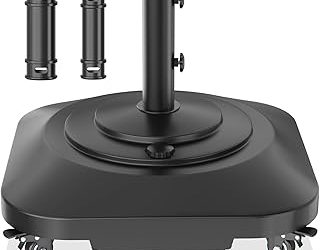
- Pole diameter and base compatibility: Most market umbrellas use a 1.5-inch or 1.9-inch pole. Confirm your existing table’s umbrella hole or base will fit before ordering—returning a nine-foot umbrella because the pole is a quarter-inch too thick is exactly the kind of headache this guide exists to prevent.
The Best Color Patio Umbrella (2026)s Reviewed
EliteShade 9ft 3-Tier Market Umbrella
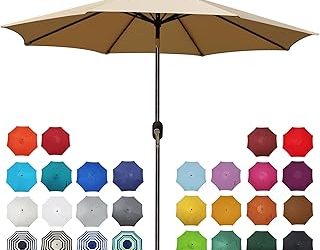
The three-tier canopy design on this EliteShade isn’t just a visual detail—those ventilated tiers let wind pass through rather than building pressure underneath, which makes it genuinely more stable than single-layer competitors in breezy conditions. The sunflower yellow fabric is solution-dyed and backed by a ten-year non-fading guarantee, which at this price point is an uncommon promise. This is the umbrella I’d recommend first if you’re tired of replacing cheap shades every two summers.
JEAREY 9FT Outdoor Patio Umbrella
JEAREY’s nine-footer delivers the essentials without overselling them. Eight steel ribs, a functional push-button tilt, and a waterproof polyester canopy in peacock blue that photographs beautifully for the patio. The crank operation is smooth out of the box, and the pole has a solid feel in hand. For a straightforward, full-size market umbrella that doesn’t cut corners on construction, this one earns its keep.
AMMSUN 7ft Fringe Tassel Umbrella
The AMMSUN breaks the mold with its wave-colorful fringe tassel trim, giving your patio a retro-bohemian vibe that no other umbrella on this list attempts. Beyond aesthetics, it’s built on a premium steel pole and ribs with UPF 50+ protection—a serious spec for a seven-foot shade that looks purely decorative. It’s ideal for smaller bistro sets or accent seating where personality matters as much as sun coverage.
Sunnyglade 9′ Patio Umbrella
Sunnyglade’s red nine-footer is a solid all-rounder. The waterproof polyester canopy pairs with an aluminum pole that won’t rust, and both the push-button tilt and crank operate without fuss. It doesn’t try to reinvent anything, but it covers every base: sturdy eight-rib construction, clean mechanics, and a bold color that anchors a patio table arrangement without looking washed out after a few weeks of direct sun.
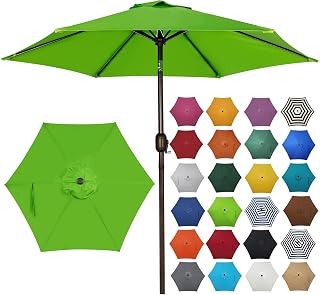
7.5ft Patio Umbrella (Lime)
This lime-green umbrella is a smart pick for anyone working with a six-to-seven-foot table who doesn’t need the full nine-foot spread. The compact size means less canopy to manage in wind, and the bright green fabric genuinely pops against typical deck and patio materials. The push-button tilt and crank are standard but reliable, making this a sensible choice for apartment balconies or modest outdoor dining areas where scale matters.
Frequently Asked Questions
What size patio umbrella do I need for a standard outdoor table?
For a round table seating four to six people, a nine-foot umbrella provides adequate coverage with a comfortable overhang. Rectangular tables seating six or more benefit from an eleven-foot or rectangular canopy. If your table is under 38 inches in diameter, a seven-to-seven-and-a-half-foot umbrella usually covers the seating area without excess canopy flapping beyond the table edges.
Can I leave a color patio umbrella outside in the rain?
Most modern patio umbrellas use water-resistant polyester, which handles light rain without issue. Prolonged heavy downpours or pooling water on the canopy can stress the ribs and fabric over time. Closing the umbrella during extended rain or storms will significantly extend its lifespan, regardless of the manufacturer’s weather claims.
Do color patio umbrellas really fade over time?
Yes, all fabrics eventually fade under constant UV exposure, but the rate varies dramatically. Solution-dyed acrylic and polyester fabrics resist fading far better than piece-dyed options. Premium umbrellas like the EliteShade explicitly warranty against fading for years, while budget models may noticeably lose vibrancy within a single season.
How much wind can a patio umbrella handle?
Most market-style patio umbrellas are designed for moderate breezes, not sustained high winds. A well-built nine-foot umbrella with eight or more ribs can typically handle gusts up to 25–35 mph. Three-tier and vented designs perform better in wind because air passes through the canopy rather than catching underneath it. Always close your umbrella in severe weather.
Final Thoughts
If you want long-term durability with a genuine non-fading commitment, the EliteShade 9ft 3-Tier is the strongest overall pick. For the best balance of size, construction, and value in a straightforward nine-foot umbrella, the JEAREY delivers reliably. And for smaller spaces or a bold decorative statement, the AMMSUN 7ft Fringe brings personality that the competition simply doesn’t offer. Any of these three will hold up well beyond a single season—something cheaper umbrellas rarely manage.