Key takeaways
- Height: Measure the existing mattress and check the bunk bed’s safety instructions. A lower profile generally leaves more guardrail above the sleeping surface, especially on the top bunk.
- Firmness: Medium-firm foam is a practical starting point for children and lighter sleepers because it offers support without feeling board-like. Preferences still vary, so consider the sleeper’s build and usual sleep position.
- Cooling: Gel-infused or graphite-infused foam can help manage heat, but breathable bedding and good room ventilation matter just as much. Foam mattresses may feel warmer than innerspring designs.
- Safety and materials: Look for established certifications such as CertiPUR-US, and read the listing carefully for material disclosures. If avoiding fiberglass is important, choose a model that explicitly states it is fiberglass-free.
- Care: A removable, washable cover is useful in children’s rooms. For boxed mattresses, allow adequate time for expansion and follow the manufacturer’s instructions before use.
What's inside
Choosing a mattress for a bunk bed is less straightforward than buying one for a standard frame. You need the right thickness for guardrail clearance, enough support for a growing sleeper, and materials that will not make the upper bunk uncomfortably warm. A mattress can look like a bargain yet still be too tall, too soft, or difficult to keep fresh in a busy kids’ room.
This guide focuses on practical everyday comfort: firmness, cooling, pressure relief, construction, cover care, and suitability for twin-size bunk beds. We also consider how each mattress may work for children, guest rooms, daybeds, and trundles. Always confirm your bunk bed manufacturer’s maximum mattress height before ordering.
As an Amazon Associate we earn from qualifying purchases.

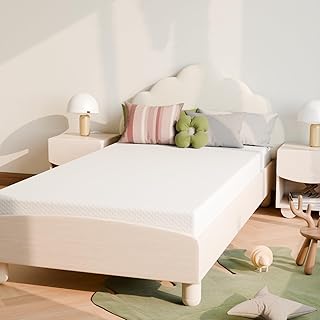


How to Choose a Bunk Bed Mattresses (2026)
- Height: Measure the existing mattress and check the bunk bed’s safety instructions. A lower profile generally leaves more guardrail above the sleeping surface, especially on the top bunk.
- Firmness: Medium-firm foam is a practical starting point for children and lighter sleepers because it offers support without feeling board-like. Preferences still vary, so consider the sleeper’s build and usual sleep position.
- Cooling: Gel-infused or graphite-infused foam can help manage heat, but breathable bedding and good room ventilation matter just as much. Foam mattresses may feel warmer than innerspring designs.
- Safety and materials: Look for established certifications such as CertiPUR-US, and read the listing carefully for material disclosures. If avoiding fiberglass is important, choose a model that explicitly states it is fiberglass-free.
- Care: A removable, washable cover is useful in children’s rooms. For boxed mattresses, allow adequate time for expansion and follow the manufacturer’s instructions before use.
The Best Bunk Bed Mattresses (2026)s Reviewed
FDW 5-Inch Twin Gel Memory Foam Mattress
The FDW is a sensible choice when a low-profile mattress is the priority. Its five-inch dual-construction foam design aims to balance medium-firm support with pressure relief, while the gel memory foam may feel less stuffy than basic foam. The removable, washable cover is a particularly useful feature for children’s bedrooms.
5-Inch Fiberglass-Free Cooling Gel Mattress
This medium-firm twin mattress stands out for families who want a compact bunk-bed option with a clearly stated fiberglass-free construction. Its cooling gel memory foam is designed to cushion pressure points without creating a deeply sinking feel, and the listing also highlights certification and suitability for kids, daybeds, and trundles.
MLILY 5-Inch Green Tea Gel Mattress
The MLILY Twin Mattress in a Box is a versatile pick for a child’s bunk, single bed, or daybed. Its medium-firm memory foam and green tea gel construction are intended to provide balanced support and a cooler sleep surface, while the 75-by-38-inch dimensions are worth checking carefully against your frame before purchase.
Dopinmin 6-Inch Twin Gel Memory Foam Mattress
The Dopinmin adds an inch of height compared with the slimmer options, which may appeal to sleepers who want a little more cushioning. Its medium-firm gel memory foam is aimed at pressure relief and cooler sleep, but buyers should be especially diligent about checking guardrail clearance because six inches can be a meaningful difference on an upper bunk.
LIFEMENT 6-Inch Basic Graphite Cooling Mattress
The LIFEMENT Basic is built around medium-firm graphite cooling memory foam and is marketed specifically toward children’s beds. It may suit a lower bunk, daybed, or guest bed where a little extra cushioning is welcome. Its 75-by-39-inch sizing should be compared with the frame’s actual interior measurements, since twin platforms are not always identical.
Frequently Asked Questions
How thick should a bunk bed mattress be?
There is no universal thickness for every bunk bed. Follow the frame manufacturer’s limit and make sure the mattress does not reduce the guardrail’s protective height. Five-inch models are often easier to fit on upper bunks, while six-inch mattresses may provide more cushioning where clearance allows.
Is memory foam suitable for a bunk bed?
Yes, provided the mattress is the correct size and height for the frame. Memory foam is quiet and can limit motion transfer, but it may retain more heat than some hybrid or innerspring alternatives. A breathable protector and lightweight bedding can help.
Should a child use a firm mattress?
A supportive, medium-firm surface is generally a practical choice for a growing child, but comfort is individual. Avoid choosing solely by age or marketing language; consider the child’s sleeping position, body size, and whether they prefer a more cushioned or steadier feel.
How long does a mattress in a box take to expand?
Expansion time varies by model, room temperature, and packaging. Let the mattress rest for the period specified by its manufacturer, and do not judge its final feel immediately after unboxing. A lingering odor usually improves with ventilation.
Final Thoughts
For a low-profile upper bunk, the FDW 5-Inch Twin and the fiberglass-free cooling gel model are practical starting points. The MLILY offers useful versatility for daybeds and trundles, while the Dopinmin and LIFEMENT 6-inch options provide more cushioning when the bunk frame has sufficient guardrail clearance.