Key takeaways
- Power needs: Add the running watts of essentials such as a refrigerator, sump pump, furnace blower, lights, and internet equipment, then account for the higher starting demand of motor-driven appliances.
- Fuel flexibility: Dual-fuel and tri-fuel generators can be useful during extended outages because they give you alternatives if gasoline is scarce or inconvenient to store.
- Noise and efficiency: Inverter technology and an ECO mode can reduce engine cycling and sound, which is especially valuable in neighborhoods, campgrounds, and near living spaces.
- Connection options: Look for the outlets you actually need, RV compatibility where relevant, and transfer-switch readiness if you plan to connect selected home circuits through a qualified electrician.
- Safety and upkeep: Use every fuel-burning generator outdoors, far from doors and windows, with exhaust directed away from the home. CO protection, oil checks, fuel storage, and regular test runs are part of ownership.
What's inside
Choosing a portable generator is rarely about finding the biggest wattage on the label. The better buy is the one that fits your home’s actual power needs, remains manageable when the lights go out, and does not make an already stressful evening noisier or more complicated. Fuel flexibility, startup controls, outlets, and safe operation matter just as much as peak output.
This guide compares five practical options for different household priorities, from compact inverter models for occasional backup to high-output machines suited to essential whole-home circuits. The focus is everyday comfort: operating noise, convenience, portability, fuel choices, and how each generator may fit into a realistic emergency plan.
As an Amazon Associate we earn from qualifying purchases.


How to Choose a Brand Of Portable Generator (2026)
- Power needs: Add the running watts of essentials such as a refrigerator, sump pump, furnace blower, lights, and internet equipment, then account for the higher starting demand of motor-driven appliances.
- Fuel flexibility: Dual-fuel and tri-fuel generators can be useful during extended outages because they give you alternatives if gasoline is scarce or inconvenient to store.
- Noise and efficiency: Inverter technology and an ECO mode can reduce engine cycling and sound, which is especially valuable in neighborhoods, campgrounds, and near living spaces.
- Connection options: Look for the outlets you actually need, RV compatibility where relevant, and transfer-switch readiness if you plan to connect selected home circuits through a qualified electrician.
- Safety and upkeep: Use every fuel-burning generator outdoors, far from doors and windows, with exhaust directed away from the home. CO protection, oil checks, fuel storage, and regular test runs are part of ownership.
The Best Brand Of Portable Generator (2026)s Reviewed
Oxseryn 4400-Watt Inverter Generator
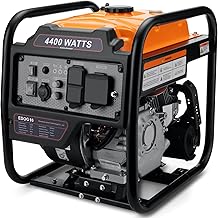
The Oxseryn 4400 Watts Inverter Generator is a sensible middle ground for running refrigerators, lights, electronics, and selected smaller appliances without moving up to a bulky high-output unit. Its ECO mode and inverter design are appealing for quieter, more efficient operation, while the RV-ready outlet adds flexibility for travel. It is best suited to essentials rather than attempting to power an entire large home at once.
Westinghouse 12500-Watt Dual-Fuel Generator
Westinghouse’s 12500 Watt Dual Fuel model is built for households that want substantial backup capacity and the convenience of remote electric start. Gasoline and propane support make it easier to plan for longer outages, and transfer-switch readiness suits a professionally installed backup setup. Its size and weight mean it is more at home in a prepared location than being carried casually around the property.
Westinghouse 14500-Watt Tri-Fuel Generator
The 14500 Peak Watt Tri-Fuel Home Backup Portable Generator stands out for offering gasoline, propane, and natural gas options, potentially reducing dependence on a single fuel source. Remote starting is useful when the generator is positioned outside in poor weather, and the high output is appropriate for demanding household loads. Before buying, confirm that your planned natural-gas connection and installation arrangement are suitable.
DuroMax XP13000EH Dual-Fuel Generator
The DuroMax XP13000EH provides the kind of capacity homeowners often seek for whole-home backup, including support for larger appliances and RV equipment when correctly connected. Electric start simplifies operation, while dual-fuel capability gives owners a practical fallback. This is a powerful, substantial machine, so plan for level storage, safe outdoor placement, and help moving it.
DuroStar DS13000MX Dual-Fuel Generator
The DuroStar DS13000MX combines a 13,000-watt class output with a 500cc engine, remote electric start, and gas-or-propane operation. It is a strong choice for buyers prioritizing high-capacity emergency power without moving to a tri-fuel model. As with other generators in this category, its value depends on having a clear electrical plan rather than simply plugging in every appliance at once.
Frequently Asked Questions
What size portable generator is comfortable for basic home backup?
Around 4,000 to 5,000 watts can cover several essentials, depending on their starting loads. Larger homes or appliances such as well pumps, central air systems, and electric ranges may require a 12,000-watt-class generator or a carefully selected circuit plan.
Are dual-fuel and tri-fuel generators worth considering?
They can be, particularly where outages may last several days. Propane stores well, gasoline is widely available, and natural gas can be convenient when the property has an appropriate service connection. Each fuel has different output and runtime characteristics.
Can I connect a portable generator directly to my house?
Do not connect one to a household wall outlet or improvise wiring. A transfer switch or approved interlock installed by a qualified electrician is the appropriate route for powering selected home circuits safely.
How far from my home should a generator operate?
Follow the generator’s manual and current local guidance, but keep it well outdoors and away from doors, windows, vents, and garages. Carbon monoxide can accumulate quickly, even when a generator appears to be in an open area.
Final Thoughts
The Oxseryn 4400-Watt is the practical pick for lighter, quieter essential-load backup, while the Westinghouse 14500-Watt Tri-Fuel offers the broadest fuel flexibility. For high-capacity dual-fuel support, the DuroMax XP13000EH is a particularly compelling option when you have the space and a professionally planned connection.