Our Top Picks
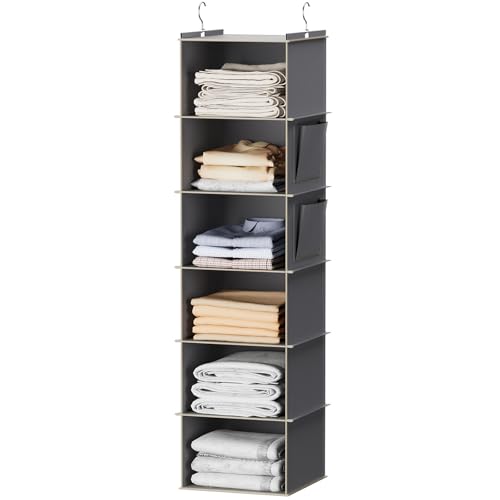
 IRONCK Bookshelves and Bookcases Floor Standing 6 Tier1 Pack9.3 x 23.8 x 70.8 inches37.26 poundsCheck on Amazon
For most homes, a tall, wall-anchored bookcase with adjustable shelves, such as IKEA’s long-running BILLY line, is the best all-round bookshelf; a cube unit like KALLAX suits mixed storage and room dividing, a ladder shelf suits small apartments, and solid-wood bookcases suit people who want furniture that lasts for decades. The key variables are shelf load capacity, depth, stability and how the unit is built, not just looks, since books are far heavier than they appear.
At a Glance: Bookshelf Types
| Type | Best for | Stated features | Limits |
|---|---|---|---|
| Tall adjustable bookcase (e.g., IKEA BILLY) | Large book collections, flexible shelf heights | Adjustable shelves, many sizes, optional glass doors and extensions, per IKEA | Particleboard-based construction, shelves can bow under heavy load |
| Cube unit (e.g., IKEA KALLAX) | Mixed books, bins, records, room dividers | Square cubes, optional inserts, horizontal or vertical use | Fixed shelf spacing, tall stacks need anchoring |
| Solid-wood bookcase | Long-term furniture and heavy loads | Hardwood or pine frames, thicker shelves | Heavier, pricier, harder to move |
| Ladder shelf | Small rooms, display and light storage | Leaning design, narrow top, open back | Needs wall contact, lower per-shelf capacity |
| Metal or industrial frame | Garages, studios, heavy-duty storage | Steel frames with wood or metal shelves | Industrial look, assembly can be fiddly |
| Wall-mounted shelves | Tight floors and display rows | Mounted brackets or rails | Need studs or proper anchors, limited capacity |
What Matters Most
Load capacity and shelf span
A standard paperback shelf can hold much less weight than a shelf of art books or reference volumes. Makers publish shelf load limits, and wide spans sag over time if overloaded. Particleboard and MDF shelves are most prone to bowing; thicker solid wood or plywood shelves and shorter spans resist it better. Place the heaviest books low, and if a shelf bows, flip it or add a center support.

IRONCK Bookshelf and Bookcases 70" Tall, 6 Tiers Display Storage Shelves | Bookshelves Set of 2, Wood Bookcase with Open Display Shelves for Home Office, Living Room, Library, Walnut
Chosen because it specifies 6 Tiers Display Storage Shelves and Bookshelves Set of 2.
View on Amazon
FACBOTALL Triple Wide Bookshelf, Large Bookshelf with 17 Display Shelves | 74'' Tall Bookcases and Bookshelves, 58.7'' Extra Wide Book Shelves, 5/6 Tier Shelves for Living Room, Office, Library,Cherry
Chosen because it specifies Large Bookshelf with 17 Display Shelves and 74'' Tall Bookcases and Bookshelves.
View on AmazonIRONCK Bookshelves and Bookcases Floor Standing 6 Tier Display Storage Shelves 70in Tall Bookcase Home Decor Furniture for Home Office, Living Room, Bed Room
Chosen because it specifies Living Room and Bed Room.
View on Amazon
SUNMORY 6 Tier Tree Bookshelf, Tall Small Bookcase with Storage Cabinet | Modern Narrow Bookshelves Organizer, Floor Standing Book Case Shelf for Bedroom Living Room Home Office Corner, Rustic Brown
Chosen because it specifies Tall Small Bookcase with Storage Cabinet and Modern Narrow Bookshelves Organizer.
View on AmazonDepth and height
Depth of about 11 to 12 inches suits most books, while shallow units of around 8 to 10 inches suit paperbacks and display items. Tall units hold more per square foot of floor but are more likely to tip. Measure the ceiling height, baseboard allowances and the doorways the flat-pack boxes must pass through.
Stability and anchoring
Tall bookcases are tip-over hazards, especially around children and pets. Anchor every tall unit to the wall using the hardware and instructions the maker provides, ideally into a stud, and load the lower shelves first. Do not allow children to climb on shelves. If you rent, ask your landlord about anchoring or use a method the manufacturer approves.
Materials and construction
Solid wood and plywood are the sturdiest and can often be repaired and refinished, but they are costly. Particleboard or fiberboard with a veneer or foil finish is budget-friendly and light but is sensitive to moisture and repeated reassembly. Metal frames are strong and slim but can look utilitarian. Check the maker’s description of the back panel too: a thin fiberboard back adds little rigidity, which is another reason to anchor the unit.
Adjustability and modularity
Adjustable shelf pins let you fit taller volumes or add display spaces. Modular lines let you add units, extension tops or doors later, and BILLY and similar ranges are popular precisely because they are customizable. Check pin hole spacing and shelf thickness.
Finish and indoor air
Engineered wood can release small amounts of formaldehyde, and makers state compliance with standards such as those set by regulators in some regions. If this concerns you, look for products labeled as compliant, ventilate the room after assembly, and consult the maker’s information. This is general guidance, not a medical statement.
Notable Options by Need
IKEA BILLY and HEMNES
BILLY is IKEA’s best-known bookcase and is sold in multiple widths and heights with options such as doors, height extensions and glass fronts. HEMNES is IKEA’s solid-pine-based range in a more traditional style, with bookcases in several sizes. Both lines have been long-standing, and retail guides often point to them for value, but exact sizes and finishes change, so read the product page before buying.
IKEA KALLAX
KALLAX is a cube-based shelving unit that works as a bookcase, a room divider and vinyl record storage, with optional inserts such as boxes, doors and drawers. It is a popular choice in apartments and playrooms. Note that stacked taller configurations need anchoring and that fixed cubes limit tall books.
Solid-wood and premium brands
Companies such as Pottery Barn, Crate and Barrel, and Room and Board sell bookcases in hardwood or veneer with thicker shelves, in both fixed and adjustable styles. These suit heavy collections and are built to outlast flat-pack units, at a higher budget level. Check delivery and assembly options, since these pieces are bulky.
Ladder and corner shelves
Leaning shelves from many makers suit small rooms and display. They usually have a lower per-shelf capacity than a standard bookcase, and they must be positioned so they lean against a wall at the stated angle. Corner shelves can make use of awkward space.
Budget Tiers
- Budget: Particleboard, fiberboard and light metal frames. Good for paperbacks and light display; watch for shelf sag and moisture sensitivity.
- Mid-range: Better laminates, thicker shelves, some solid wood elements, modular options. A good balance for most households.
- Premium: Hardwood or high-quality veneer, fixed or heavily reinforced shelves, finishing choices. Built for heavy loads and long use.
Layout and Placement
Keep bookcases away from damp walls, direct sun that can fade spines and wood, and radiators. Leave a small gap behind the unit if the wall has a baseboard. In a living room, place the largest unit along a wall that has studs available for anchoring. Use half-height units under windows and tall units in corners to make the room feel balanced. If you are building a wall of shelves, measure the space and plan unit widths so doors still open.
Assembly and Care
Many flat-pack bookcases take one or two people a couple of hours. Follow the sequence in the manual, tighten fasteners at the end, and re-tighten after a few weeks. Dust with a dry or slightly damp cloth, and avoid harsh solvents that can damage finishes. If the unit becomes damp, dry it quickly, because swollen particleboard does not recover.
Pick X If… Decision Table
| Pick this | If you |
|---|---|
| Adjustable tall bookcase | Own many books and want flexibility on a budget |
| Cube unit | Need mixed storage, bins, records or a room divider |
| Solid-wood bookcase | Want a long-term piece and heavy loads |
| Ladder shelf | Have a small room and mostly light decor |
| Metal-frame shelving | Need strong storage in a studio, garage or office |
| Wall-mounted shelves | Have limited floor space and a few favorite books |
Alternatives
- Built-in shelving: Maximizes the space and can be tailored to your books, but costs more and is permanent.
- Rolling library carts: Small collections or flexible storage.
- Floating shelves with sturdy brackets: A clean look for light loads when mounted into studs.
Buying Checklist Before You Order
Measure the wall, ceiling height, outlet locations and any baseboard before choosing a bookcase. Check the stated dimensions, shelf count, shelf thickness, load limits and weight of the packed box. Confirm whether the back panel is included and whether anchoring hardware comes in the box. Decide how many books you own, and add room to grow, since collections tend to expand. Think about whether you want doors to hide clutter, glass fronts to protect books from dust, or open shelves for display. If you move often, favor sturdier construction or smaller modules that can be rearranged. Read the maker’s guidance on reassembly, since flat-pack joints can loosen after being taken apart.
Organizing Tips
Group books by size so shelf heights can be set tightly, which looks tidier and wastes less space. Put heavy volumes on the lowest shelves, and use bookends where a shelf is only partly filled. Mix in baskets, plants and framed photos to break up long rows, but keep the shelf load within the maker’s limit. Leave the top of tall units mostly empty or light, since weight up high increases tip-over risk. For children’s rooms, keep lower shelves for picture books and anchor every unit to the wall.
Frequently Asked Questions
How much weight can a bookshelf hold?
It depends on the model, the shelf material and the span. Makers usually publish a per-shelf limit, and that is the number to follow. A shelf of hardcovers can weigh far more than expected, so spread the load and keep heavy books low.
Do I need to anchor a bookcase to the wall?
Yes, any tall bookcase should be anchored, especially in homes with children or pets. Use the hardware the maker provides and follow the instructions, ideally into a stud. Anchoring is a safety measure and does not replace supervision.
Why do bookshelves sag?
Sag comes from long spans, thin shelf material and heavy loads over time. Particleboard is more likely to bow than solid wood or plywood. Move heavy books to shorter shelves, add a center support or choose thicker shelves.
What depth should I choose?
For ordinary books, a depth of roughly 11 to 12 inches works well. Shallow units around 8 to 10 inches suit paperbacks and display. Choose deeper shelves only if you store large art books or baskets.
Is solid wood worth it over flat-pack?
If you plan to keep the bookcase for many years or store heavy books, solid wood or plywood is often worth the extra budget. Flat-pack units are great for flexibility and cost, though they handle repeated moves less well. Consider how long you will keep the unit.
Can I use a bookshelf as a room divider?
Yes, an open-back cube unit or a low bookcase works, provided it is stable and anchored where possible. Keep dividers shorter than the ceiling and secure the unit to the floor or adjoining wall if the maker allows. Avoid placing heavy items high up.
More from Amazon
Programs that pair well with the guide above. Offers and eligibility are set by Amazon and may change.
Collect the home and kitchen items you want in one registry that guests can shop from.
Create a wedding registrySet up recurring deliveries of everyday items on eligible products. Terms and savings are set by Amazon.
Explore Subscribe & SaveFree shipping on eligible items, Prime Video and more. Eligible new members can start with a free trial.
Start a Prime free trialAudiobooks and podcasts to listen to on the go. Eligible new members can start with a free trial.
Try Audible freeAs an Amazon Associate we earn from qualifying purchases.