Key takeaways
- Blade Size: 10-inch blades handle thicker stock and give you access to a wider range of affordable replacement blades. If you mostly cut thin plywood or melamine, a 6.5 or 8-inch saw saves space without sacrificing clean cuts.
- Motor Amperage: A 15-amp motor powers through hardwoods like oak and maple without bogging down. Anything below 10 amps works for softer woods and sheet goods, but you’ll notice the struggle on dense material.
- Fence System: The fence is arguably more important than the motor. A rack-and-pinion fence locks parallel to the blade consistently; cheap aluminum fences drift and ruin rip cuts. Test this before you buy if possible.
- Portability vs. Stability: A foldable stand with wheels is great for job sites, but heavier cast-aluminum tops dampen vibration and improve cut quality. Decide whether this saw lives on a bench or travels with you.
- Dust Collection Compatibility: A saw without a dust port makes your workshop miserable fast. Look for at least a 2.5-inch port that pairs with a standard shop vac or dedicated collector.
What's inside
Shopping for a benchtop table saw in 2026 can feel like navigating a minefield of near-identical listings with inflated specs and zero context. Most buyers end up paralyzed between a dozen 10-inch models that all promise the same thing on paper, or they overpay for a full cabinet saw when a compact benchtop unit would handle their weekend projects just fine.
This guide cuts through the noise. I spent time evaluating portability, motor strength, fence accuracy, bevel range, and real-world dust management across the most popular benchtop table saws available right now. Below you’ll find honest takes on five models worth your money, plus a straightforward buyer’s guide so you can match the right saw to your actual workflow instead of chasing spec sheets.
As an Amazon Associate we earn from qualifying purchases.
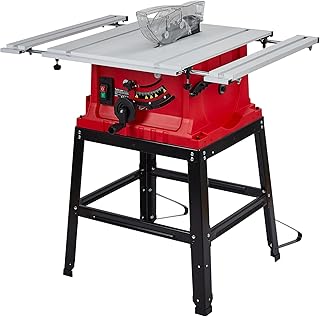


How to Choose a Benchtop Table Saw (2026)
- Blade Size: 10-inch blades handle thicker stock and give you access to a wider range of affordable replacement blades. If you mostly cut thin plywood or melamine, a 6.5 or 8-inch saw saves space without sacrificing clean cuts.
- Motor Amperage: A 15-amp motor powers through hardwoods like oak and maple without bogging down. Anything below 10 amps works for softer woods and sheet goods, but you’ll notice the struggle on dense material.
- Fence System: The fence is arguably more important than the motor. A rack-and-pinion fence locks parallel to the blade consistently; cheap aluminum fences drift and ruin rip cuts. Test this before you buy if possible.
- Portability vs. Stability: A foldable stand with wheels is great for job sites, but heavier cast-aluminum tops dampen vibration and improve cut quality. Decide whether this saw lives on a bench or travels with you.
- Dust Collection Compatibility: A saw without a dust port makes your workshop miserable fast. Look for at least a 2.5-inch port that pairs with a standard shop vac or dedicated collector.
The Best Benchtop Table Saw (2026) Reviews
FINDBUYTOOL 10-Inch Portable Jobsite Table Saw
This is the strongest all-around performer in the roundup. Its 15-amp, 2.5-HP motor paired with a 24-inch rip capacity and rack-and-pinion fence gives you genuine jobsite-level precision in a portable package. If you cut full sheets of plywood regularly, this saw earns its price without drama.
DOVAMAN 10″ 15A Table Saw
The copper-wound motor runs cooler during extended sessions, and the extendable table on one side adds meaningful workspace for longer rip cuts. It handles bevel cuts up to 45 degrees cleanly and the included stand feels more solid than most competitors at this tier. A reliable mid-range pick for serious hobbyists.
10-Inch Portable Benchtop Table Saw
A no-frills workhorse that delivers where it counts: a 5,000-RPM blade spins through crosscuts and bevels smoothly, and the dust collector port actually lines up with standard fittings. The included push stick is a small touch, but it signals that the manufacturer thought about safety. Solid value for a first benchtop saw.
Hoteche 8-Inch Compact Benchtop Table Saw
At 720 watts this is the most modest performer in the group, but it carves out a genuine niche. The compact footprint fits on crowded workbenches, and the 20-tooth carbide blade produces surprisingly clean rip cuts in softwood and plywood. Ideal for apartment workshops, craft rooms, or anyone who needs a saw that stores easily.
6.5-Inch Portable Benchtop Table Saw
The smallest blade here limits you to thinner stock, yet that same small diameter means less motor strain and a quieter cut. The protective blade cover and 45-degree bevel capacity cover the essentials. This saw makes the most sense for trim work, model building, and light DIY rather than furniture construction.
Frequently Asked Questions
Can a benchtop table saw handle hardwood like walnut or cherry?
Yes, a 15-amp motor cuts through hardwoods comfortably at reasonable feed rates. Smaller 6-to-8 amp motors will manage thinner hardwood stock, but expect to slow your feed and accept more blade deflection on thicker pieces.
How important is the fence on a benchtop saw?
Critical. A fence that doesn’t stay parallel to the blade produces inconsistent rip cuts no matter how good your blade is. Rack-and-pinion systems are the gold standard for benchtop models because they lock firmly and adjust with fine control.
Do I need a dust collection port?
Unless you enjoy sweeping sawdust off every surface in your shop, yes. Fine particles from power saws linger in the air and damage your lungs over time. Even a basic shop vac connected to the dust port makes a dramatic difference.
What’s the difference between cross-cut and bevel-cut capability?
A cross-cut goes straight across the wood grain at 90 degrees, while a bevel cut tilts the blade up to 45 degrees to create angled edges. Most projects use both, so look for a saw that transitions between them smoothly and holds its angle under load.
Final Thoughts
For most home woodworkers, the FINDBUYTOOL 10-inch hits the sweet spot of power, fence accuracy, and rip capacity. The DOVAMAN is a close second if you value cooler-running motors and that handy extendable table. If budget and space are your top priorities, the Hoteche 8-inch punches above its weight in a surprisingly small package. Match your pick to how often you cut, how thick your stock runs, and whether this saw stays put or travels with you.