Key takeaways
- Room coverage: Choose a purifier rated for at least your bedroom’s approximate size, but remember that advertised coverage may assume a particular number of air changes per hour.
- Noise: Look for a genuine sleep mode and a low decibel rating. Fan design, vibration, and the brightness of indicator lights matter just as much as the headline number.
- Filtration: A true HEPA filter is useful for fine particles such as pollen, dust, and some airborne allergens. A carbon layer can also help with everyday household odors.
- Maintenance: Check filter availability and replacement cost before buying. A washable pre-filter is especially convenient in homes with pets, shedding, or visible dust.
- Bedroom features: Timers, dimmable displays, automatic fan control, air-quality sensors, and app support can improve convenience, but they should not outweigh quiet, reliable cleaning.
What's inside
Bedroom air purifiers can make a noticeable difference to comfort, but choosing one is harder than it should be. Room-size claims vary, noise ratings do not always tell the whole story, and a machine that looks compact may still need frequent filter replacements. For sleepers, the best model is not simply the most powerful—it is one that cleans effectively without becoming another source of nighttime noise or light.
This guide focuses on practical bedroom use: quiet operation, useful filtration, sensible room coverage, odor control, controls, and maintenance. The recommendations include compact bedside-friendly units as well as larger models suited to primary bedrooms, open spaces, and homes with pets or seasonal allergies.
As an Amazon Associate we earn from qualifying purchases.



How to Choose an Air Purifier For Bedrooms (2026)
- Room coverage: Choose a purifier rated for at least your bedroom’s approximate size, but remember that advertised coverage may assume a particular number of air changes per hour.
- Noise: Look for a genuine sleep mode and a low decibel rating. Fan design, vibration, and the brightness of indicator lights matter just as much as the headline number.
- Filtration: A true HEPA filter is useful for fine particles such as pollen, dust, and some airborne allergens. A carbon layer can also help with everyday household odors.
- Maintenance: Check filter availability and replacement cost before buying. A washable pre-filter is especially convenient in homes with pets, shedding, or visible dust.
- Bedroom features: Timers, dimmable displays, automatic fan control, air-quality sensors, and app support can improve convenience, but they should not outweigh quiet, reliable cleaning.
The Best Air Purifier For Bedrooms (2026)s Reviewed
LEVOIT Core 300
The LEVOIT Core 300 remains an easy recommendation for bedrooms because it combines a relatively compact footprint with a quiet sleep mode and widely available replacement filters. Its H13 True HEPA filtration is aimed at dust, pollen, smoke, and pet-related particles, while the straightforward controls make it simple to run overnight without fuss.
FULMINARE H13 Bedroom Air Purifier
This small FULMINARE model suits a nightstand, guest room, office, or other limited space where portability matters. Its H13 filter, quiet setting, and built-in night light cover the essentials, although shoppers should keep its compact design aligned with smaller rooms rather than expecting large-area performance.
WINIX 5510
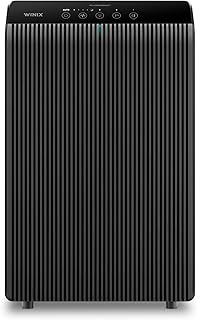
The WINIX 5510 is the strongest choice here for a larger bedroom or an adjoining open area. It offers True HEPA filtration, a high-deodorization carbon filter, automatic mode, and app support, giving it more control and capacity than most compact bedroom purifiers. Its larger housing may be less discreet, but that trade-off makes sense when cleaning speed and odor handling are priorities.
FULMINARE 360° Sage Green
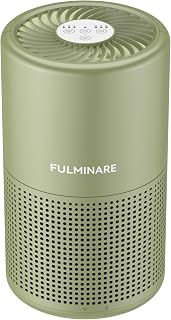
With 360-degree air intake, a small footprint, timer settings, and a subdued sage-green finish, this FULMINARE is designed to blend into a bedroom rather than dominate it. The 24dB rating and night light are appealing for sleepers, while the three-speed layout keeps operation uncomplicated for smaller rooms.
KNKA APH4000
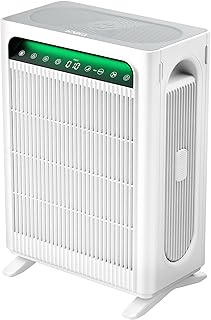
The KNKA APH4000 stands out for shoppers who want a larger-room purifier with more visible feedback. Its washable pre-filter can help capture larger particles before they reach the main filter, and the AQI display and pet mode add useful day-to-day guidance. It is a practical pick for households dealing with dander, pollen, and regular dust buildup.
Frequently Asked Questions
Should an air purifier run all night?
Yes, provided the unit is designed for continuous operation and the filter is maintained. Running it on sleep or low mode usually offers a quieter experience, while automatic mode can increase airflow when the purifier detects more particles.
Where should I place an air purifier in a bedroom?
Place it on a firm, level surface with clear space around the intake and outlet. Avoid pushing it into a corner, covering it with bedding, or positioning the exhaust directly toward your face at close range.
Do air purifiers remove pet hair?
They can capture airborne particles associated with pets, including dander and some loose debris, but they will not replace vacuuming. A washable or removable pre-filter is helpful when a pet sheds heavily because it can catch larger material before it reaches the HEPA filter.
How often should a bedroom air purifier filter be replaced?
The interval depends on use, indoor dust, pets, smoke, and the specific filter design. Many filters last several months to about a year, but reduced airflow, persistent odors, or a visibly loaded filter are good reasons to check the manufacturer’s recommendation sooner.
Final Thoughts
The LEVOIT Core 300 is the best all-around bedroom choice for many sleepers, while the WINIX 5510 is better suited to larger rooms and stronger odor control. For a compact, portable option, the FULMINARE H13 is a sensible pick; shoppers with pets may prefer the KNKA APH4000 for its washable pre-filter and pet-focused controls.