Key takeaways
- Torque output: Look at both maximum fastening torque and loosening (breakaway) torque. A wrench rated at 900 ft-lbs of breakaway torque will handle most passenger-vehicle lug nuts with headroom, while anything below 500 ft-lbs starts to struggle on over-torqued or corroded fasteners.
- Drive size: 1/2-inch is the sweet spot for home garages—big enough for suspension work and wheel service, small enough to stay maneuverable. A 3/8-inch drive can’t handle the same bolt loads, and 3/4-inch tools are overkill for typical household projects.
- Weight and ergonomics: Anything under six pounds keeps fatigue down during extended use. Pay attention to handle shape and composite vs. all-metal housings; a composite body can shave off weight while dampening vibration.
- Noise level: Some pneumatic impacts top 100 dB. If you work in an enclosed garage or have close neighbors, a quiet-profile model in the mid-to-low 90 dB range makes a noticeable difference without sacrificing too much power.
- Air consumption: A high-torque wrench that demands 8 CFM at 90 PSI will outrun a small 3-gallon compressor. Check your compressor’s output and pick a wrench whose CFM requirement fits comfortably so you’re not waiting for the tank to refill between bolts.
What's inside
Shopping for a pneumatic impact wrench can feel like wading through a wall of torque numbers and marketing superlatives, none of which tell you whether a particular gun will actually survive a Saturday of lug nuts and suspension bolts in your garage. Pick one that’s underpowered and you’ll strip your air line dry; grab a beast that’s too heavy and your wrist will remind you by Monday morning.
This guide cuts through the noise. We compared six current air impact wrenches on real-world torque delivery, build quality, weight, noise, and value, so you can match the right tool to the jobs you actually do at home. Whether you rotate seasonal tires, rebuild a lawn-mower deck, or tear down rusty exhaust brackets, the picks below cover a realistic range of budgets and power needs.
As an Amazon Associate we earn from qualifying purchases.



🛒 Best Price Today on Amazon
Prime members get fast, free shipping on everything above, plus member-only deals. New members get a 30-day free trial — cancel anytime.
How to Choose an Air Compressor Impact Wrench (2026)
- Torque output: Look at both maximum fastening torque and loosening (breakaway) torque. A wrench rated at 900 ft-lbs of breakaway torque will handle most passenger-vehicle lug nuts with headroom, while anything below 500 ft-lbs starts to struggle on over-torqued or corroded fasteners.
- Drive size: 1/2-inch is the sweet spot for home garages—big enough for suspension work and wheel service, small enough to stay maneuverable. A 3/8-inch drive can’t handle the same bolt loads, and 3/4-inch tools are overkill for typical household projects.
- Weight and ergonomics: Anything under six pounds keeps fatigue down during extended use. Pay attention to handle shape and composite vs. all-metal housings; a composite body can shave off weight while dampening vibration.
- Noise level: Some pneumatic impacts top 100 dB. If you work in an enclosed garage or have close neighbors, a quiet-profile model in the mid-to-low 90 dB range makes a noticeable difference without sacrificing too much power.
- Air consumption: A high-torque wrench that demands 8 CFM at 90 PSI will outrun a small 3-gallon compressor. Check your compressor’s output and pick a wrench whose CFM requirement fits comfortably so you’re not waiting for the tank to refill between bolts.
The Best Air Compressor Impact Wrench (2026)s Reviewed
AEROPRO TOOLS 1/2-Inch Twin Hammer
The AEROPRO TOOLS punches well above its price class with 1,200 ft-lbs of torque and a twin-hammer mechanism that feels smooth rather than brutish. It’s a standout pick for anyone who needs serious lug-nut power but doesn’t want to pay professional-shop money to get it.
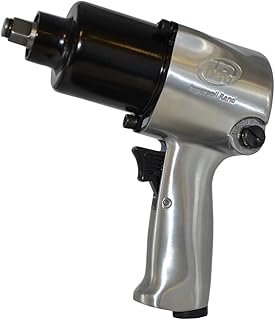
Ingersoll Rand 231C
A shop staple for decades, the 231C delivers a reliable 600 ft-lbs of torque in a no-frills package that keeps running year after year. It’s not the lightest or the quietest, but its proven track record makes it a safe recommendation for general assembly and disassembly around the house.
Ingersoll Rand 2135QXPA
Stepping up to the 2135QXPA gets you 1,100 ft-lbs of output in a noticeably lighter, more refined body. The QXPA suffix signals a quiet-profile design, so you get near-professional torque without waking up the whole block during a Sunday brake job.
AIRCAT 1150 Composite
The AIRCAT 1150 threads the needle between power and livability: 900 ft-lbs of breakaway torque, a composite housing that keeps weight low, and an 89 dBA rating that’s genuinely quieter than most competitors. For a home garage where comfort matters, it’s one of the easiest wrenches to live with day to day.
ACDelco ANI405A
Sold as a complete kit with multiple socket sizes, the ANI405A pairs a 500 ft-lb twin-hammer motor with a five-speed selector—a feature usually reserved for pricier tools. It’s ideal if you want adjustable power for lighter fasteners without reaching for a separate wrench.
Frequently Asked Questions
Do I need a big compressor for an air impact wrench?
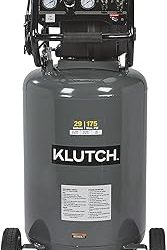
It depends on the tool. Most 1/2-inch air impacts need between 4 and 8 CFM at 90 PSI. A 20–30 gallon tank with at least 5 CFM output will keep up with general home use; anything less and you’ll spend half your time waiting for the tank to refill.
Can an air impact wrench replace a cordless one for home work?
Yes, if you already have a compressor and a decent air line, pneumatic wrenches often deliver more consistent torque than battery-powered units without the weight or charging downtime. The trade-off is the compressor itself—bulky, loud, and stationary.
How much torque do I really need for lug nuts?
Most passenger-car lug nuts are torqued to around 80–100 ft-lbs. An impact wrench rated at 500 ft-lbs of breakaway torque handles that with enormous margin. Anything above 800 ft-lbs is more relevant for rusty suspension bolts or heavy-truck work.
Is a composite body better than an all-metal housing?
Composite housings are lighter and absorb vibration, which reduces hand fatigue. All-metal bodies are tougher but heavier. For home use where the tool isn’t taking daily abuse on a shop floor, composite is usually the more comfortable choice.
Final Thoughts
For sheer value, the AEROPRO TOOLS twin-hammer is hard to beat. If you want proven reliability and don’t need to push past 600 ft-lbs, the Ingersoll Rand 231C remains a dependable workhorse. And for homeowners who prize a quiet, comfortable garage experience without sacrificing real torque, the Ingersoll Rand 2135QXPA is worth every extra dollar.