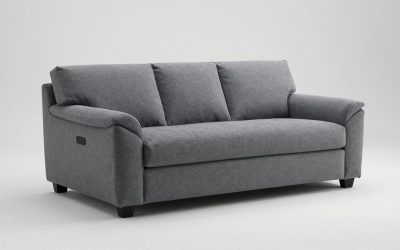
Our Top Picks
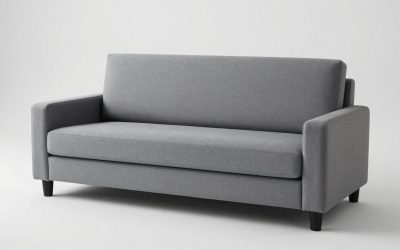
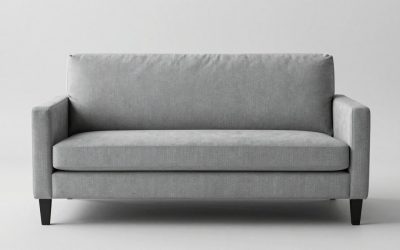
 Dreamzie 65'' Convertible Sleeper Sofa Bed with Swivel65'' Chenille35 x 65 x 32 inches118 PoundsCheck on Amazon
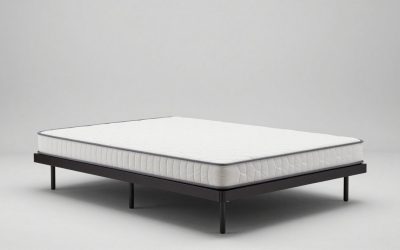
 BIGGARSIT 52" Sleeper Convertible Sofa Bed CouchLarge34.9 x 51.4 x 32.1 inches94.8 poundsCheck on Amazon
Which One Actually Passes for a Couch
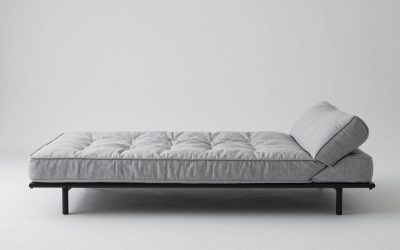
A daybed with a back rail and two arm-height side rails is the closest a bed gets to reading as a couch, since it borrows the same silhouette as a sofa from across the room. A trundle unit tucked under a daybed keeps that look intact during the day and only shows its second mattress when you pull it out at night. A sofa bed (also called a sleeper sofa) is the reverse case: it’s genuinely upholstered seating first, and the mattress is a fold-out mechanism hidden inside, so it never has to disguise anything. If the goal is a bed frame that looks like a couch in a living room or studio, rank them in this order for believability: daybed with full-height side rails, then daybed with a low back only, then trundle-equipped daybed, then sofa bed for pure seating credibility (though it’s the least comfortable to sleep on nightly).
Back and Arm Height: The Detail That Sells the Illusion
The measurement that matters most, and the one product listings rarely explain, is the height of the back rail and arm rails relative to a standard sofa. A typical sofa back sits 30-36 inches off the floor and arms run 24-26 inches. Daybeds marketed as “couch-style” usually land in these ranges:
- Back rail 26-32 inches: reads as a low sofa or settee, works well in small rooms since it doesn’t block sightlines.
- Arm rails 22-26 inches: close enough to true sofa arm height that you can rest an elbow or a book without it feeling like a bed frame with rails.
- Arm rails under 18 inches: this is where it starts looking like a bed with a headboard rather than a couch, no matter how many cushions you add.
If a daybed’s side rails are lower than about 20 inches, treat it as a bed that looks like a couch only in photos with heavy styling. In person, low rails make the mattress edge visible and break the sofa illusion.
Mattress Depth Is the Other Half of the Illusion
A couch cushion is typically 4-6 inches thick. A daybed that keeps a couch profile needs a mattress in roughly the same range, not a standard 10-14 inch mattress. Once the mattress crosses about 8 inches, it starts rising above the arm and back rails, and the piece reads as a bed with trim rather than seating. This is the actual reason daybeds specify “twin mattress up to 6 inches” or similar limits: it’s not a safety spec, it’s what keeps the frame looking like furniture instead of a cot.
Dreamzie 65'' Convertible Sleeper Sofa Bed with Swivel Side Table, Chenille Pull Out Couch for Living Room, Loveseat Sleeper Couch with Hidden Storage Space | Charging Port | Cup Holders, Grey
Chosen because it specifies Chenille Pull Out Couch for Living Room and Loveseat Sleeper Couch with Hidden Storage Space.
View on Amazon
Ball & Cast 86" Sectional Sleeper Sofa Bed Pull Out Couches for Living Room | L Shaped Convertible Pull Out Sofa Bed with Reversible Storage Chaise and Side Pocket, 3-Seat Sofa for Small Space Apartment
Picked as a relevant option in this category.
View on AmazonBIGGARSIT 52" Sleeper Convertible Sofa Bed Couch, 3-in-1 Pull Out Couches for Living Room, with 2 Pillows, 6 Side Pockets, Easy Assembly, Grey
Chosen because it specifies 3-in-1 Pull Out Couches for Living Room and with 2 Pillows.
View on Amazon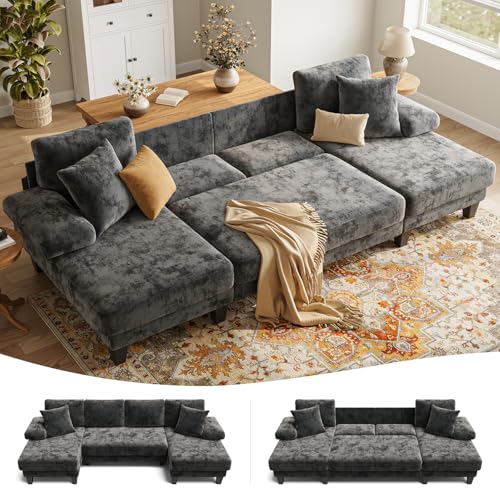
Txtin's Sleeper Sofa with Pull Out Couch Bed | 112 Inch Couches for Living Room | U-Shaped Convertible Sofa Bed | Chenille Dark Grey
Chosen because it specifies 112 Inch Couches for Living Room and U-Shaped Convertible Sofa Bed.
View on AmazonThe trade-off is comfort. A 6-inch mattress, even a good hybrid or memory foam one, will feel firmer and less plush than a 10-12 inch bedroom mattress, especially for a primary sleeper rather than an occasional guest bed. If the daybed is doing daily double duty as a couch and a real bed, a 7-8 inch mattress is a reasonable compromise, accepting that the rail line will sit slightly below the mattress top.
Daybed vs Trundle vs Sofa Bed: Head to Head
| Factor | Daybed | Trundle Daybed | Sofa Bed |
|---|---|---|---|
| Reads as a couch | Strong, if rails are sofa-height | Strong when trundle is stowed | Weak as a bed, strong as seating |
| Sleeps | 1 (twin or full) | 1-2 (main + trundle) | 1-2 on a fold-out mattress |
| Mattress depth for the look | 4-6 in | 4-6 in (main), 4-5 in (trundle) | Not applicable, folds inside frame |
| Daily sit comfort | High, with bolsters | High | High (true sofa cushions) |
| Nightly sleep comfort | Moderate | Moderate | Low to moderate |
| Typical price range | $300-$700 frame only | $450-$900 frame only | $600-$1,800 |
| Best room size | 10×10 ft and up | 10×12 ft and up | 10×10 ft and up |
Bolsters, Cushions, and Making a Daybed Sit Like a Sofa
A bare daybed with a bare mattress looks like a bed pushed against a wall. What closes the gap is the same layering a sofa gets:
- Two to three bolster pillows (round or rectangular, roughly 6x6x26 inches) placed against the back rail. These do the visual work a sofa’s back cushions do and also protect your spine from the hard rail when sitting upright.
- A fitted daybed cover or a tailored quilt that wraps the mattress edges, so no white sheet or mattress seam shows below the rail line.
- Two to four throw pillows (18-20 inches) layered in front of the bolsters, matching or contrasting the cover.
- A folded throw blanket across one arm, which is a small detail but it’s what a staged sofa photo almost always includes.
Budget for this styling layer: bolsters and a daybed cover typically run $80-$200 combined, on top of the frame and mattress cost. Skipping it is the single most common reason a “couch-style” daybed still looks like a bed in someone’s living room.
Matching the Choice to Your Situation
| Situation | Best pick | Why |
|---|---|---|
| Studio apartment, need daily seating + nightly bed | Daybed, full-height rails, 6-8 in mattress | Doubles as sofa by day without a fold-out step |
| Guest room that’s rarely used, want max floor space normally | Trundle daybed | Second sleeper disappears under the frame; only shows during use |
| Living room first, sleeping second (occasional guest) | Sofa bed | Full sofa comfort and look 90% of the time, bed available when needed |
| Renters, need to move it out easily | Daybed (metal frame) | Metal frames disassemble into lighter pieces and clear standard 32-36 in doorways more easily than a boxed sofa bed |
| Back pain, sit upright often | Daybed with 28-32 in back rail + bolsters | Higher back support without a soft sofa frame sagging over time |
| Kids’ room, shared sleepovers | Trundle daybed | Two sleeping surfaces, one footprint, easy to make up before guests arrive |
Frame Material Trade-offs
| Frame material | Pros | Cons |
|---|---|---|
| Solid wood | Sturdiest long-term, quiet (no metal creak), refinishable | Heaviest to move, priciest, boxes often 90-140 lb |
| Engineered wood (MDF/particleboard with veneer) | Lower cost, lighter than solid wood | Rail joints wear faster under daily sitting; avoid in humid rooms |
| Metal (tube or wrought iron) | Lightest to move, disassembles into small parts, good for renters | Can creak over years; rails feel harder without thick bolster padding |
Assembly and Moving Realities
Most daybeds and trundles ship in one or two boxes weighing 60-140 lb depending on wood vs metal construction, and assembly typically takes 45-90 minutes with a Phillips screwdriver and Allen key, usually included. Check doorway width before ordering: an assembled daybed frame commonly measures 42-58 inches wide (twin to full), which clears a standard 32-36 inch doorway only if you can tilt it, so confirm the box, not the assembled frame, will fit your entry path if you’re not assembling in the room itself.
Sofa beds are heavier and bulkier to move once assembled, often 150-250 lb for a full-size sleeper, and the fold-out mechanism is the first part to wear: hinges and mattress support bars are the typical failure point after a few years of regular folding, not the upholstery. On a daybed, the rail joints and any fabric-wrapped headboard panel take the most wear from daily sitting, so look for corner brackets or dowel joints rather than glued particleboard corners if the piece will function as a couch every day.