Key takeaways
- Pressure Point Mapping: Look for mattresses that zone their firmness — softer at the shoulders and hips, firmer through the lumbar region. Flat, uniform firmness either forces shoulders upward or lets hips sink too deep; both destroy spinal alignment.
- Hybrid Construction Over Pure Foam: Pocketed coils paired with foam layers consistently outperform all-foam builds for side sleepers with pain. The coils push back where you need support while the foam cradles joints — a combination that all-foam mattresses struggle to replicate without trapping heat.
- Cooling Matters More Than You Think: Side sleepers compress more surface area into the mattress, which traps body heat in the contact zones. Gel-infused foams, copper infusions, and breathable coil systems aren’t luxury features — they’re functional necessities for anyone spending eight hours pressed against a surface.
- Motion Isolation For Shared Beds: If you share a bed, individual pocket springs absorb movement at the source. This isn’t just about not waking your partner; it means your body isn’t making micro-adjustments every time they shift, which lets your muscles actually relax through the night.
- Firmness Sweet Spot — Medium to Medium-Firm: For most side sleepers with back and hip pain, a medium to medium-firm mattress (roughly 5-7 on the firmness scale) hits the balance. Anything harder won’t contour enough at the shoulder; anything softer won’t hold the lumbar curve.
What's inside
Side sleeping is the most popular sleep position in America, but it’s also the one that creates the deepest pressure points at the shoulder and hip — the exact areas where back and hip pain tend to flare up. If you’ve ever woken up with a stiff lower back or aching hip that wasn’t there when you went to bed, your mattress is likely the culprit, not your pillow or your posture. The wrong surface lets your hips sag out of alignment with your spine, and over eight hours that adds up to real damage.
This guide cuts through the noise. We evaluated six hybrid and foam mattresses specifically on how they handle the unique demands of side sleepers dealing with chronic back and hip discomfort — pressure relief at the shoulder and pelvis, lumbar reinforcement, cooling performance, and motion isolation for undisturbed rest. Every option here ships in a box, carries a risk-free 365-night trial, and is CertiPUR-US certified so you know what you’re sleeping on.
As an Amazon Associate we earn from qualifying purchases.


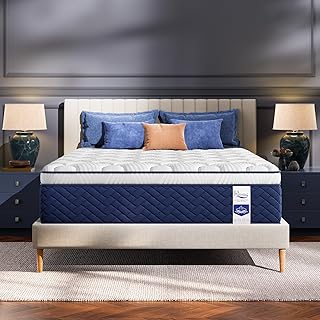


How to Choose a Mattress For Side Sleepers With Back And Hip Pain (2026)
- Pressure Point Mapping: Look for mattresses that zone their firmness — softer at the shoulders and hips, firmer through the lumbar region. Flat, uniform firmness either forces shoulders upward or lets hips sink too deep; both destroy spinal alignment.
- Hybrid Construction Over Pure Foam: Pocketed coils paired with foam layers consistently outperform all-foam builds for side sleepers with pain. The coils push back where you need support while the foam cradles joints — a combination that all-foam mattresses struggle to replicate without trapping heat.
- Cooling Matters More Than You Think: Side sleepers compress more surface area into the mattress, which traps body heat in the contact zones. Gel-infused foams, copper infusions, and breathable coil systems aren’t luxury features — they’re functional necessities for anyone spending eight hours pressed against a surface.
- Motion Isolation For Shared Beds: If you share a bed, individual pocket springs absorb movement at the source. This isn’t just about not waking your partner; it means your body isn’t making micro-adjustments every time they shift, which lets your muscles actually relax through the night.
- Firmness Sweet Spot — Medium to Medium-Firm: For most side sleepers with back and hip pain, a medium to medium-firm mattress (roughly 5-7 on the firmness scale) hits the balance. Anything harder won’t contour enough at the shoulder; anything softer won’t hold the lumbar curve.
The Best Mattress For Side Sleepers With Back And Hip Pain (2026) Reviewed
Firm Queen Hybrid 12-Inch with Lumbar Hip Support
At 12 inches, this hybrid sits slightly lower than the competition but compensates with a dedicated lumbar and hip reinforcement zone that targets exactly where side sleepers need it most. The coil-and-foam layering prioritizes structural pushback over plushness, making it the stronger pick for heavier side sleepers who’ve found other mattresses bottoming out under their hips.
Sleepmax Queen 14-Inch Enhanced Deep Sleep Hybrid
Sleepmax’s 14-inch build stacks deeper comfort layers that give side sleepers more room to sink in without hitting the coil support system prematurely — critical for shoulder relief. The fiberglass-free construction and 365-night trial remove the usual hesitations around bed-in-a-box purchases, and the cooling design holds up well for sleepers who tend to overheat.
Queen Medium Firm 14-Inch with Pocket Springs and Cooling Gel
This mattress balances lumbar-focused pocket springs with a cooling gel foam top layer that stays breathable even during the deepest compression. For side sleepers whose pain radiates from the lower back rather than the hip, the reinforced middle third of the spring system provides noticeably better nighttime support than mattresses with uniform coil tension.
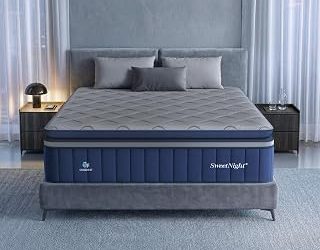
Medium Firm 14-Inch Hotel Collection with 7-Zone Support
The seven-zone support system is the standout here — each zone targets a different body region with calibrated firmness, so the shoulder zone lets you sink while the lumbar zone resists. This is the closest approximation to a custom-tuned surface in the bed-in-a-box category, and the hotel-grade construction quality backs it up over years of use.
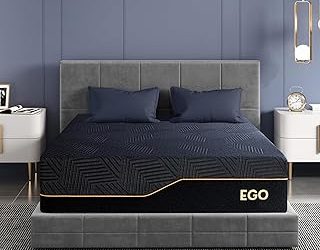
EGOHOME 14-Inch Memory Foam with Copper Gel and Graphene Cover
EGOHOME takes the all-foam route but earns its spot through smart material choices: copper gel infusion pulls heat away from the body while the graphene-tech cover adds a secondary cooling layer. The ICA endorsement carries genuine weight for pain sufferers, and the medium-firm feel contours around the shoulder without losing the lumbar bridge that prevents mid-sink sagging.
Frequently Asked Questions
What firmness is best for side sleepers with hip pain?
Medium to medium-firm mattresses (5-7 on a 10-point scale) consistently work best. The shoulder needs enough softness to sink in and prevent arm numbness, while the hip requires enough resistance to prevent the pelvis from tilting and pulling on the lower back.
Do hybrid mattresses work better than foam for back pain?
For most side sleepers with chronic pain, yes. Hybrid mattresses combine contouring foam with responsive coil support, creating a push-pull dynamic that keeps the spine neutral. All-foam mattresses can work but often lack the targeted pushback needed to prevent hip sag over time.
How long should I keep a mattress before deciding it’s right?
Give any new mattress at least 30 nights. Your body needs two to four weeks to adjust to a new sleep surface, and pain patterns often shift during this break-in period. The 365-night trials offered by every mattress on this list give you far more time than that to make a confident decision.
Can a mattress alone fix chronic back and hip pain?
A mattress is one of the biggest variables in sleep-related pain, but it’s not a standalone cure. Pairing the right mattress with proper pillow height (keeping the head level with the spine) and, if needed, a pillow between the knees will produce the most meaningful improvement in morning stiffness and pain intensity.
Final Thoughts
For side sleepers wrestling with back and hip pain, the EGOHOME 14-Inch stands out for its ICA endorsement and superior cooling in an all-foam build, the 7-Zone Hotel Collection hybrid earns the top nod for its zone-specific pressure mapping that mirrors what you’d find in high-end hotel mattresses, and the Sleepmax 14-Inch delivers the best overall value with its deeper comfort layer and fiberglass-free safety profile. All three ship risk-free with a full year to decide — there’s genuinely no reason not to start testing tonight.