Key takeaways
- Growth Speed vs. Control: Fast growers like Wisteria and Thunbergia can cover a pergola in a single season, but they demand aggressive pruning. If you want something more manageable, look at slower climbers like jasmine that develop at a forgiving pace.
- Fragrance Factor: Not all flowering vines smell alike. Climbing jasmine delivers an intense, sweet nighttime fragrance. Wisteria offers visual drama with only a mild scent. Decide whether scent or spectacle matters more to you.
- Climate Hardiness: Check your USDA zone before ordering. Wisteria thrives in zones 4–9, making it one of the most cold-tolerant options. Thunbergia Grandiflora prefers zones 9–11 and will struggle or die back in northern winters.
- Live Plants vs. Seeds: Live starter plants give you a head start — expect blooms within the first or second growing season. Seeds are cheaper and offer more genetic variety, but patience is non-negotiable; some perennial vines take two to three years to flower from seed.
- Maintenance Commitment: Wisteria is gorgeous but notorious for overtaking structures, pulling down gutters, and needing biannual hard pruning. Jasmine and Thunbergia are more restrained. Pick a vine that matches how much weekend work you’re willing to invest.
What's inside
Shopping for pergola plants online is a different animal than strolling through a local nursery. Listings bury you in contradictory claims about growth rate, cold hardiness, and bloom frequency — and the gap between what a seed packet promises and what actually flourishes on your trellis by summer can feel enormous. Buyers end up with leggy vines that never bloom, or aggressive growers that swallow an entire pergola in one season without delivering the fragrance or color they were after.
This guide cuts through the noise. I’ve evaluated the most popular pergola plant options on Amazon — live starter plants and seed kits alike — weighing bloom quality, growth habit, hardiness, and how realistic each product’s promises are for a typical backyard setup. The picks below reflect what I’d actually recommend to a friend building shade and atmosphere over a patio structure in 2026.
As an Amazon Associate we earn from qualifying purchases.


How to Choose Pergola Plants (2026)
- Growth Speed vs. Control: Fast growers like Wisteria and Thunbergia can cover a pergola in a single season, but they demand aggressive pruning. If you want something more manageable, look at slower climbers like jasmine that develop at a forgiving pace.
- Fragrance Factor: Not all flowering vines smell alike. Climbing jasmine delivers an intense, sweet nighttime fragrance. Wisteria offers visual drama with only a mild scent. Decide whether scent or spectacle matters more to you.
- Climate Hardiness: Check your USDA zone before ordering. Wisteria thrives in zones 4–9, making it one of the most cold-tolerant options. Thunbergia Grandiflora prefers zones 9–11 and will struggle or die back in northern winters.
- Live Plants vs. Seeds: Live starter plants give you a head start — expect blooms within the first or second growing season. Seeds are cheaper and offer more genetic variety, but patience is non-negotiable; some perennial vines take two to three years to flower from seed.
- Maintenance Commitment: Wisteria is gorgeous but notorious for overtaking structures, pulling down gutters, and needing biannual hard pruning. Jasmine and Thunbergia are more restrained. Pick a vine that matches how much weekend work you’re willing to invest.
The Best Pergola Plants (2026) Reviewed
Climbing Jasmine Seeds for Planting
A top choice if fragrance is your priority. These perennial evergreen jasmine seeds produce white flowering vines that perform beautifully on trellises and pergola posts, and they’re genuinely low-maintenance once established. Expect the classic intoxicating scent on warm evenings, though you’ll need patience — jasmine grown from seed typically takes 18 to 24 months before the first real bloom cycle.
Thunbergia Grandiflora Plants (Pack of 2)
If you need rapid coverage in a warm climate, these Blue Trumpet Vine starters deliver. The sky-blue flowers are genuinely striking against green foliage, and the fast growth habit makes them ideal for privacy screens on pergola sides. The catch: these are tropical plants, so they’re only practical in USDA zones 9 and above unless you plan to bring them indoors for winter.
3 Wisteria Live Plants (1–2 Ft)
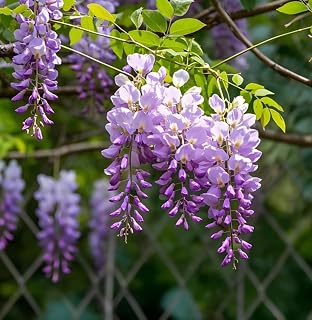
Buying a three-pack of Wisteria Floribunda starters is the sweet spot for a standard backyard pergola. The plants arrive at a manageable 1–2 feet and can be trained onto your structure immediately. Japanese wisteria’s cascading purple racemes are hard to beat visually, and starting with live plants means you could see your first tentative blooms within a season or two rather than waiting years from seed.
Wisteria Seeds for Planting (20 Seeds)
A budget-friendly entry point for gardeners who enjoy the process as much as the result. These 20 heirloom non-GMO wisteria seeds are a hardy perennial option for anyone who isn’t in a rush and wants to train a vine from the ground up — literally. The price-to-potential ratio is excellent, though you should realistically expect a two-to-three-year wait before the first significant flowering display.
Frequently Asked Questions
How long does it take for pergola plants to start blooming?
Live starter plants like wisteria and Thunbergia can bloom within the first growing season, though the display usually intensifies in year two. Seed-grown vines, especially jasmine and wisteria, typically need 18 months to three years before producing their first real flower flush.
Will wisteria damage my pergola over time?
Possibly. Wisteria is extremely vigorous and its woody vines thicken substantially as they mature. Without regular pruning — at least twice per year — the weight can stress lighter pergola structures. If your pergola is built from pressure-treated lumber or steel, you’re likely fine; avoid it on delicate cedar or vinyl structures.
Which pergola vine is best for privacy screening?
Thunbergia Grandiflora wins for sheer coverage speed, creating a dense green wall in months. Jasmine is also effective once mature but fills in more slowly. For a balance of beauty and privacy in most climates, wisteria’s combination of rapid growth and lush foliage makes it the most versatile option.
Can I grow these vines in containers on a pergola?
Yes, especially jasmine and smaller wisteria specimens. Use a large pot — at least 15 to 20 gallons — with excellent drainage and a sturdy support structure. Container-grown vines are easier to control and can be repositioned or protected during harsh winters, which is a real advantage in marginal climates.
Final Thoughts
For the best overall balance of fragrance, hardiness, and visual payoff, the 3-pack of live Wisteria plants is my top pick for most pergola owners — you get established growth that’s ready to train without the uncertainty of seeds. Gardeners with warmer climates should strongly consider the Thunbergia Grandiflora pair for unmatched coverage speed, while fragrance devotees can’t go wrong starting with climbing jasmine seeds and letting nature take its time.