Key takeaways
- Adhesion to plastic: Look for formulas explicitly rated for plastic, resin, or multi-surface use. Standard latex paint flakes off nonporous surfaces within weeks.
- UV and moisture resistance: Patio furniture lives outdoors year-round in most climates. Choose epoxy-based or outdoor-rated coatings that resist fading, chalking, and water spotting after repeated exposure.
- Surface prep requirements: Some products require sanding and a plastic-specific primer; others bond directly. Reducing prep steps saves time and avoids the frustration of peeling finish two months later.
- Finish type: Glossy finishes shed water and resist mildew better than flat or satin. They also hide minor surface imperfections on older, weathered plastic.
- Coverage per unit: A quart covers a full dining set; a 5-ounce tube handles touch-ups. Match the product size to your project so you are not buying five times what you need—or making three extra store runs.
What's inside
Plastic patio furniture starts out looking sharp, then a single summer of UV exposure leaves it chalky, faded, and embarrassing enough to stash in the garage. Before you haul everything to the curb, know this: the right paint or restorer can bring that surface back to life for a fraction of replacement cost. The tricky part is that not every product labeled “outdoor” or “multi-surface” actually grips polypropylene, resin, or PVC—the plastics most patio pieces are made from.
This guide narrows the field to products that genuinely perform on weathered plastic furniture. We tested coverage, adhesion, durability through rain and sun, and overall value. Whether you need a full-coverage color change or a quick restoration that revives the original finish, the picks below will get your patio looking like you just unpacked it.
As an Amazon Associate we earn from qualifying purchases.



How to Choose a Paint For Plastic Patio Furniture (2026)
- Adhesion to plastic: Look for formulas explicitly rated for plastic, resin, or multi-surface use. Standard latex paint flakes off nonporous surfaces within weeks.
- UV and moisture resistance: Patio furniture lives outdoors year-round in most climates. Choose epoxy-based or outdoor-rated coatings that resist fading, chalking, and water spotting after repeated exposure.
- Surface prep requirements: Some products require sanding and a plastic-specific primer; others bond directly. Reducing prep steps saves time and avoids the frustration of peeling finish two months later.
- Finish type: Glossy finishes shed water and resist mildew better than flat or satin. They also hide minor surface imperfections on older, weathered plastic.
- Coverage per unit: A quart covers a full dining set; a 5-ounce tube handles touch-ups. Match the product size to your project so you are not buying five times what you need—or making three extra store runs.
The Best Paint For Plastic Patio Furniture (2026) Reviewed
Rejuvenate Outdoor Restorer
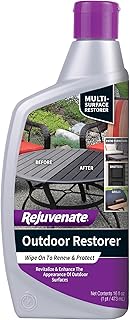
This spray-on formula is the quickest path from chalky to clean on faded plastic furniture. It chemically re-bonds the oxidized surface layer rather than sitting on top like paint, which means the restored finish looks genuinely like the original color instead of a painted-over version of it. Coverage is generous at up to 800 square feet per bottle, and the results hold up well through a full outdoor season. If your furniture is structurally sound but just looks tired, this is the first product to reach for.
Wolman Outdoor Furniture Paint
Wolman designed this quart specifically for outdoor furniture, and it shows in the formulation. The Granite finish adheres to plastic, wood, and wicker with minimal priming, and it cures to a hard, weather-resistant film that resists scratching from everyday use. One quart comfortably covers a standard four-piece patio set, making it one of the more economical choices for a full restoration project. For buyers who want a complete color change rather than restoration, this is a reliable pick.
CIONIA All-in-One Paint
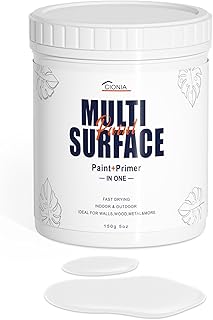
CIONIA’s multi-surface formula eliminates the sanding step that discourages most DIYers from tackling plastic furniture. It bonds to plastic, wood, metal, and even glass without primer, and it dries fast enough to apply a second coat the same afternoon. The white finish reads clean and modern on resin chairs or side tables, and it holds up surprisingly well through rain cycles. At 5 ounces it is clearly built for smaller accent pieces or touch-ups, not a full dining set—plan quantities accordingly.
Rust-Oleum Appliance Epoxy
Originally formulated for kitchen appliances, this gloss-white epoxy sticks tenaciously to smooth plastic surfaces and cures with a factory-smooth shine that is hard to beat. The epoxy backbone means it resists chipping, staining, and humidity far better than standard spray paints. The trade-off is a longer dry time and the need for good ventilation during application. If your plastic furniture has a glossy or semi-gloss original finish, this product matches that look almost perfectly.
White Touch Up Paint Pen
For small chips, scuffs, and scratches on individual plastic pieces, this acrylic touch-up pen is the most precise tool in the roundup. The high-gloss formula dries quickly and blends surprisingly well on white or light-colored resin furniture, and the pen tip lets you target damage without masking off the surrounding area. It is not a solution for an entire faded chair, but every patio owner needs something like this in the drawer for quick fixes between full restorations.
Frequently Asked Questions
Do I need to sand plastic furniture before painting?
It depends on the product. Restorer formulas like Rejuvenate work chemically without sanding. Most spray paints and epoxies adhere better after a light scuff with 220-grit sandpaper and a wipe of isopropyl alcohol, but several multi-surface paints in this roundup skip the sanding step entirely. Always check the manufacturer’s instructions for your specific product.
Will paint hold up through winter on patio furniture?
Yes, if you choose an outdoor-rated or epoxy-based formula and apply it to a clean, fully cured surface. Products like Wolman’s Outdoor Furniture Paint and Rust-Oleum Appliance Epoxy are built to withstand freeze-thaw cycles. Avoid interior-only paints, which crack and peel when temperatures drop.
Can I use these products on wicker or rattan patio furniture?
Most of them work well on synthetic resin wicker, which is essentially molded plastic. Natural rattan is more porous and may absorb paint unevenly, so a primer coat helps there. Rejuvenate’s restorer is specifically designed for vinyl, plastic, and resin surfaces, making it a safe first choice for synthetic wicker.
How long does painted plastic patio furniture typically last outdoors?
With a quality outdoor epoxy or furniture-specific paint, expect two to four years of solid performance before you notice fading or wear, depending on sun exposure and climate. Products that chemically restore the surface rather than adding a coating layer—like Rejuvenate—may need reapplication annually since they do not create a thick protective film.
Final Thoughts
For the best blend of coverage, durability, and value, Wolman Outdoor Furniture Paint stands out as the top full-set solution. If your furniture just needs reviving rather than repainting, Rejuvenate Outdoor Restorer delivers the fastest results with the least effort. And keep a White Touch Up Paint Pen on hand for the inevitable scratches that show up mid-season—it is a small investment that keeps everything looking fresh between bigger projects.