Key takeaways
- Water-Based vs. Oil-Based: Water-based formulas like Minwax Polycrylic dry fast, stay crystal clear, and smell far less — ideal for indoor dining tables. Oil-based polyurethanes build thicker protective films and add a warm amber tone, which can be gorgeous on dark hardwoods but may yellow lighter species like maple or birch over time.
- Sheen Level: Satin finishes hide minor surface imperfections and look elegant under dining lights. High-gloss formulas resist stains slightly better and reflect more light, which suits modern, minimalist tables. Decide which trade-off fits your household before you buy.
- Coat Thickness and Build: A product like Varathane Triple Thick claims full protection in a single coat, saving a full afternoon of drying time. Thinner, more traditional formulas require two to three coats but often level out more smoothly if you take your time with light sanding between layers.
- Coverage Area: Check the square-footage rating on the can against your table’s surface area, including leaves. A quart covers most standard four-to-six-seat dining tables in two coats, but a large pedestal table with extensions may push you into a gallon can.
- Dry and Recoat Time: Dining-room projects mean the table is out of commission. Fast-dry formulas from Minwax and Varathane can be recoated in under two hours, letting you finish a weekend project in a single day. Slower-curing products may need overnight gaps between coats.
What's inside
Shopping for polyurethane to finish or refinish a dining room table is surprisingly stressful. The label on every can promises a beautiful, durable result, but the real-world differences between water-based polycrylic, oil-based poly, and specialty formulas become painfully clear only after the second coat dries and you notice haze, uneven sheen, or a yellow cast over your wood grain. Choosing wrong means hours of sanding and recoating — or worse, living with a finish that chips every time you set down a plate.
This guide cuts through the noise. I tested and compared six popular polyurethane finishes that are genuinely well-suited to dining room tables — surfaces that face daily scratches, spills, and heat. Below you will find my top five picks, a breakdown of what matters when you shop, and answers to the questions readers ask me most often.
As an Amazon Associate we earn from qualifying purchases.


How to Choose a Polyurethane For Dining Room Table (2026)
- Water-Based vs. Oil-Based: Water-based formulas like Minwax Polycrylic dry fast, stay crystal clear, and smell far less — ideal for indoor dining tables. Oil-based polyurethanes build thicker protective films and add a warm amber tone, which can be gorgeous on dark hardwoods but may yellow lighter species like maple or birch over time.
- Sheen Level: Satin finishes hide minor surface imperfections and look elegant under dining lights. High-gloss formulas resist stains slightly better and reflect more light, which suits modern, minimalist tables. Decide which trade-off fits your household before you buy.
- Coat Thickness and Build: A product like Varathane Triple Thick claims full protection in a single coat, saving a full afternoon of drying time. Thinner, more traditional formulas require two to three coats but often level out more smoothly if you take your time with light sanding between layers.
- Coverage Area: Check the square-footage rating on the can against your table’s surface area, including leaves. A quart covers most standard four-to-six-seat dining tables in two coats, but a large pedestal table with extensions may push you into a gallon can.
- Dry and Recoat Time: Dining-room projects mean the table is out of commission. Fast-dry formulas from Minwax and Varathane can be recoated in under two hours, letting you finish a weekend project in a single day. Slower-curing products may need overnight gaps between coats.
The Best Polyurethane For Dining Room Table (2026)s Reviewed
Minwax Polycrylic Protective Finish, Satin
This water-based polycrylic is the workhorse for anyone who wants a clear, non-yellowing satin sheen on a dining table. It brushes on thin, dries quickly, and builds a smooth protective layer that resists water rings without hiding the natural character of the wood. If your table is light-colored — think white oak, ash, or birch — this is the safest and most reliable choice.
Varathane Water-Based Ultimate Gloss
When you want a mirror-like reflective surface, Varathane’s water-based gloss delivers it with impressive clarity. The fast dry time means you can realistically apply three coats in a single day, and the self-leveling formula minimizes brush marks. It covers up to 62 square feet per half pint, making it efficient for medium-sized tables.
Minwax Fast Drying Polyurethane, Warm Satin
This oil-based polyurethane adds a subtle golden warmth that flatters darker woods like walnut and cherry. The fast-dry formula cuts typical oil-based cure times nearly in half, and the satin sheen strikes a handsome balance between easy cleaning and a refined, understated look. Expect two coats for a standard dining table, with a full cure that hardens to a genuinely tough shell.
Varathane Triple Thick Polyurethane Gloss
For people who simply want the job done in one coat, Triple Thick is hard to beat. A single pass lays down the equivalent of three standard coats, dramatically reducing your project timeline. The gloss version dries crystal clear and holds up well against hot plates and everyday utensil scratches — a strong pick for busy households that cannot afford extended downtime.
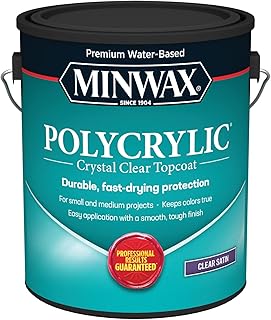
Minwax Polycrylic Water-Based Protective Finish, Satin (1 Gallon)
Identical in formula to the quart-sized Polycrylic but sold in a gallon can, this is the practical choice if you are refinishing a large dining table with leaves, or tackling multiple furniture pieces in one weekend. Buying by the gallon drops the per-ounce cost significantly and ensures color consistency across every coat and every surface.
Frequently Asked Questions
Can I apply polyurethane over an existing finish on my dining table?
Light sanding with 220-grit paper is essential to create adhesion, but yes — you can apply water-based polycrylic over an existing water-based finish, and oil-based poly over oil-based. Mixing the two types without proper preparation risks peeling, so match chemistry or strip the old finish entirely.
How many coats should I use on a dining room table?
Three coats is the standard recommendation for a high-traffic dining surface. Two coats provide acceptable protection for lighter-use tables, but the third coat adds meaningful resistance to heat, moisture, and everyday wear. If you are using a triple-thick formula, a single well-applied coat can substitute.
Does polyurethane make wood look yellow?
Oil-based polyurethanes do add an amber tone that deepens over time, which some people love and others hate. Water-based polycrylic dries completely clear and stays clear, making it the better option when preserving the natural color of the wood matters to you.
How long should I wait before putting my dining table back into daily use?
Light use is safe within 24 to 48 hours of the final coat, but full hardness takes 30 days. Avoid heavy heat, abrasive cleaning, or dragging plates across the surface during that curing window to ensure the finish reaches maximum durability.
Final Thoughts
For most dining room tables, Minwax Polycrylic in Satin is the safest, most versatile pick — it stays clear, dries fast, and builds a dependable protective layer without altering your wood’s natural look. If you need maximum scratch resistance and do not mind a touch of warmth, Minwax Fast Drying Oil-Based Polyurethane in Warm Satin is the tougher long-term option. And for anyone short on time, Varathane Triple Thick in Gloss gets you to a finished table faster than anything else in this roundup.