Key takeaways
- Use the lowest practical amount of liquid and blot with white towels to avoid transferring dye.
- Keep pets away while cleaners are wet, and follow every product’s ventilation and safety instructions.
- Wash or replace vacuum filters regularly so fine dust is captured rather than blown back into the room.
- Photograph and measure a serious spill before cleaning if the mattress is under warranty or covered by insurance.
What's inside
A memory foam mattress needs a gentler cleaning routine than a traditional spring mattress. Its dense, absorbent core can hold moisture for a long time, and aggressive scrubbing or soaking may leave behind odors, stains, or even mildew. The good news is that regular upkeep is straightforward when you use controlled suction, small amounts of cleaner, and plenty of drying time.
This guide explains how to clean a memory foam mattress safely, from removing surface dust to treating sweat, spills, and urine stains. You’ll also learn which tools are worth considering, how to avoid common mistakes, and when a professional cleaning service is the better choice.
As an Amazon Associate we earn from qualifying purchases.




1. Strip the Bed and Vacuum Thoroughly
Remove sheets, protectors, pillows, and any removable cover before cleaning the mattress. Wash bedding according to its care labels, since dust and body oils can transfer back onto a freshly cleaned mattress.
Use a standard vacuum with an upholstery attachment, moving slowly over the top, sides, seams, and corners. Pay special attention to piping and tufted areas, where skin flakes and dust collect. A dedicated mattress vacuum can make this job easier. The Teant Mattress Bed Vacuum Cleaner combines strong suction with tapping, heat, UV-C, and a HEPA filter, while the CFBF Mattress Bed Vacuum Cleaner and FEPPO Mattress Vacuum Cleaner offer similar corded designs with suction, heat, and filtration.
These features can help loosen and collect debris, but they do not replace washing or disinfecting. Keep the nozzle moving, avoid pressing hard into the foam, and empty or clean the filter as recommended by the manufacturer.
2. Treat Stains Without Soaking the Foam
Check the mattress care label first, then test any product on a hidden section. For a fresh spill, blot immediately with clean towels. Press down to lift liquid; do not rub, since rubbing spreads the stain and pushes it deeper.
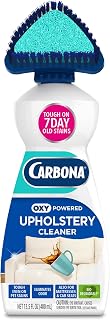
For general marks, apply a small amount of upholstery-safe cleaner to a cloth rather than flooding the mattress. Work from the outside of the stain toward the center. A no-rinse Mattress Cleaner Foam Spray is designed for small stains and may be convenient when you need to limit moisture. Carbona Oxy Powered Upholstery Cleaner includes a brush and sponge, but use its brush lightly on memory foam to avoid damaging the surface.
For urine or other organic odors, an enzyme cleaner can be more useful than a heavily perfumed spray. GEODE Mattress Cleaner & Deodorizer uses a natural enzyme formula and is intended for fabrics and upholstery. Apply sparingly, follow the label’s dwell time, and blot thoroughly afterward. Never mix enzyme products with bleach, ammonia, or other cleaners.
3. Deodorize Carefully
Once visible stains are treated, a light layer of baking soda can help absorb surface odors. Leave it for several hours, or overnight if the room is dry, then vacuum it away completely. Avoid adding baking soda if you cannot remove all of it, as residue can irritate sensitive skin or make the mattress feel gritty.
Do not pour fragrance, essential oils, or disinfectant directly onto memory foam. A strong scent can mask rather than remove an odor, and some ingredients may discolor the fabric or affect the foam. If the smell remains after cleaning and drying, inspect the underside and surrounding bed base; the source may not be on the mattress surface.
4. Dry the Mattress Completely
Drying is the most important step after spot cleaning. Open windows when weather permits, run a fan across the mattress, and use a dehumidifier in a damp room. Stand the mattress on its side only if it can be supported safely without bending or collapsing. Rotate it periodically so air reaches both surfaces.
Do not remake the bed until the mattress is completely dry to the touch and no longer smells damp. Depending on how much liquid was used, this may take several hours or longer. Avoid high heat from hair dryers, heaters, or steam cleaners: excessive heat and moisture can damage memory foam, weaken adhesives, and encourage mold growth.
5. Prevent Future Damage
A washable, breathable mattress protector is the most effective long-term investment. Choose one that fits securely without trapping excessive heat or making the mattress noisy. Wash it regularly, especially after illness, sweating, or spills.
Vacuum the mattress every one to three months, and clean spills as soon as they happen. Check the bed frame and slats for dust, condensation, or sharp edges that could damage the mattress. Unless the care label specifically permits it, do not flip a memory foam mattress; rotate it from head to foot instead.
Tips
- Use the lowest practical amount of liquid and blot with white towels to avoid transferring dye.
- Keep pets away while cleaners are wet, and follow every product’s ventilation and safety instructions.
- Wash or replace vacuum filters regularly so fine dust is captured rather than blown back into the room.
- Photograph and measure a serious spill before cleaning if the mattress is under warranty or covered by insurance.
Frequently Asked Questions
Can I steam-clean a memory foam mattress?
Usually, no. Steam introduces heat and moisture into dense foam, where it can remain trapped. Unless the mattress manufacturer specifically approves steam cleaning, use low-moisture spot treatment and air drying instead.
How often should I vacuum a memory foam mattress?
For most homes, every one to three months is sensible, with extra cleaning during allergy season or if pets sleep on the bed. Vacuum sooner after a spill, illness, or noticeable buildup around seams.
How do I remove urine from memory foam?
Blot fresh liquid immediately, then use a small amount of enzyme cleaner made for upholstery or mattresses. Follow the label, blot repeatedly, and dry the mattress fully with moving air. A deeply saturated mattress may require professional treatment or replacement.
Can I use hydrogen peroxide or bleach?
Bleach is generally too harsh for mattress fabrics and foam. Hydrogen peroxide can bleach or discolor some covers, so it should only be considered if the care label allows it and a hidden-area test shows no damage. A fabric-safe, manufacturer-approved cleaner is the safer choice.
Conclusion
The best way to clean a memory foam mattress is to vacuum carefully, treat stains with minimal moisture, and allow generous drying time. Dedicated mattress vacuums can improve routine dust removal, while enzyme or low-moisture upholstery cleaners are useful for targeted accidents. With a washable protector and regular maintenance, you can keep the mattress fresher without compromising the foam or its comfort.