Key takeaways
- Wood Type: Dense hardwoods like teak need oil-based sealers that feed the grain, while softer pines and acacias respond better to penetrating oils or linseed treatments that saturate deeply.
- Climate Exposure: Furniture under a covered porch can get away with a lighter oil finish; fully exposed pieces in humid or freeze-thaw regions need UV-resistant formulas with water-blocking polymers.
- Appearance Preference: Some finishes leave a warm golden tone that highlights grain, others dry clear with a natural matte look. Decide whether you want the wood to look enriched or simply protected as-is.
- Reapplication Frequency: Boiled linseed and teak oils typically need a fresh coat each season, while water-based spar urethanes can stretch coverage across multiple years before touching up.
- Surface Compatibility: Not every product works on wood alone. If your patio set mixes vinyl, metal, or plastic components, a versatile restorer that handles multiple materials saves you from buying separate treatments.
What's inside
Every homeowner who has owned a patio set knows the same slow, quiet disappointment: the wood grays, the teak cracks, the finish peels in ugly patches that make even an expensive table look like curbside salvage. Sun, rain, and temperature swings attack outdoor furniture year-round, and the wrong protective product accelerates the damage instead of stopping it. If you have ever stood in the paint aisle wondering whether linseed oil, spar urethane, or a specialty teak sealer is the right move, you are not alone.
This guide breaks down the best finishes for patio furniture in 2026, comparing oils, restorers, and sealers on how well they penetrate, how long they last, and how easy they are to apply on a Saturday morning. Each pick below earns its place for a specific reason, so you can match the product to your furniture’s wood type, climate, and how much maintenance you are willing to do.
As an Amazon Associate we earn from qualifying purchases.



How to Choose a Finish for Patio Furniture (2026)
- Wood Type: Dense hardwoods like teak need oil-based sealers that feed the grain, while softer pines and acacias respond better to penetrating oils or linseed treatments that saturate deeply.
- Climate Exposure: Furniture under a covered porch can get away with a lighter oil finish; fully exposed pieces in humid or freeze-thaw regions need UV-resistant formulas with water-blocking polymers.
- Appearance Preference: Some finishes leave a warm golden tone that highlights grain, others dry clear with a natural matte look. Decide whether you want the wood to look enriched or simply protected as-is.
- Reapplication Frequency: Boiled linseed and teak oils typically need a fresh coat each season, while water-based spar urethanes can stretch coverage across multiple years before touching up.
- Surface Compatibility: Not every product works on wood alone. If your patio set mixes vinyl, metal, or plastic components, a versatile restorer that handles multiple materials saves you from buying separate treatments.
The Best Finish for Patio Furniture (2026) Reviewed
LinSheen Boiled Linseed Oil
A fast-drying flaxseed-based treatment that sinks into raw or weathered wood quickly, making it a go-to choice for homeowners who want a same-day project from start to finish. It brings depth back to grayed-out boards without building a plastic-feeling film, and it works equally well on indoor floors and sports equipment if you keep extras around the garage.
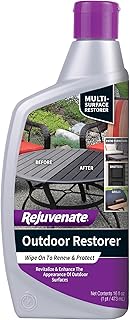
Rejuvenate Outdoor Restorer
This one earns its spot by handling far more than wood. Faded vinyl siding, weathered plastic chairs, oxidized metal frames, and dull stone all benefit from its broad-surface formula, and it covers up to 800 square feet per bottle. For mixed-material patio sets that have seen better days, it is the fastest path to a visible transformation without sanding or stripping.
STAR BRITE Premium Golden Teak Oil
Built specifically for teak and other fine outdoor hardwoods, this tung-oil-and-polymer blend packs UV absorbers right into the formula to slow the gray oxidation that teak owners dread. It dries fast, leaves a warm golden color that looks intentional rather than stained, and it is made in the USA for buyers who care about supply-chain transparency.
Varathane Water-Based Spar Urethane
If you want a true protective shell that resists moisture and UV damage season after season, this satin-finish spar urethane is the most durable barrier in the group. Its water-based formula means low odor and easy cleanup with soap and water, so applying it on a deck or porch does not turn into a ventilation project. Expect it to outlast oils by a wide margin between coats.
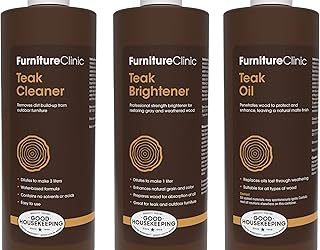
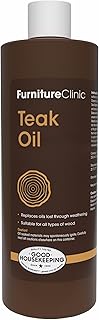
Furniture Clinic Teak Oil
A straightforward restorer and protector that pulls double duty on indoor and outdoor furniture, boats, and even shower benches exposed to constant moisture. It prevents drying and cracking while leaving a natural matte finish that avoids the glossy look some owners find too synthetic. The 17-ounce bottle is enough for several small-to-medium pieces, making it economical for targeted touch-ups.
Frequently Asked Questions
How often should I reapply finish to my patio furniture?
Penetrating oils like linseed and teak formulas generally need a fresh coat once or twice per year, depending on sun exposure and rainfall. Film-forming finishes such as spar urethane can last two to three seasons before the surface shows wear that warrants a light sanding and recoat.
Can I apply teak oil over furniture that already has a polyurethane coat?
No. Teak oil needs bare or stripped wood to penetrate properly. If an existing polyurethane or spar urethane layer is intact, the oil will sit on top and do nothing. Sand or chemically strip the old finish first if you want to switch approaches.
Do these finishes work on non-wood patio furniture?
Most of the oil-based and urethane products in this roundup are formulated strictly for wood. The Rejuvenate Outdoor Restorer is the exception, designed to restore faded vinyl, plastic, metal, and stone in addition to wood surfaces.
Is boiled linseed oil safe to use on food-contact surfaces like cutting boards or picnic tables?
LinSheen’s boiled linseed oil is marketed for furniture and sports equipment rather than food-safe surfaces. For items that contact food, look for a pure, unboiled linseed oil or a finish explicitly labeled food-safe. Never assume a hardware-store linseed product meets that standard.
Final Thoughts
For most homeowners juggling budget, durability, and ease of application, the STAR BRITE Premium Golden Teak Oil stands out as the best all-around teak protector, while the Varathane Water-Based Spar Urethane is the top pick for anyone who wants the longest stretch between maintenance days. If your patio set is a mix of materials that all need a quick visual lift, the Rejuvenate Outdoor Restorer covers the most ground with the least effort.