Key takeaways
- Match the finish to your wood type: Open-grain woods like oak and walnut absorb oil finishes beautifully, while closed-grain maple and cherry respond better to film-forming finishes like polycrylic or varnish that sit on top of the surface.
- Consider food-contact safety: Any surface that will see meals, especially if kids are at the table, demands a finish that cures to a non-toxic state. Look for finishes labeled food-safe after full cure, and avoid anything that requires a long off-gassing period before regular use.
- Decide between penetrating and surface finishes: Penetrating oils and waxes soak into the wood grain and enhance its natural texture, while surface finishes build a visible protective layer. Your choice affects both the look and how easily you can do touch-ups down the road.
- Factor in your skill level and tools: Some finishes demand precise sanding between coats, a sprayer, or controlled temperature and humidity. Others are genuinely forgiving—a rag and a bottle get the job done. Be honest about your setup before committing to a professional-grade product.
- Think about maintenance, not just application: A dining table endures daily punishment. The best finish for most households is one you can spot-repair without sanding the entire surface back to bare wood. This alone should weight your decision heavily toward oils and waxes.
What's inside
There’s a moment every dining room table owner knows: the first real scratch, the ring from a hot plate, the slow dulling that makes even beautiful wood look tired. Choosing the wrong finish can accelerate that damage or, just as frustratingly, leave you with a surface that looks coated rather than cared for. The finish market in 2026 is packed with options ranging from traditional wax to cutting-edge UV-cured oils, and sorting genuine quality from marketing noise takes more than a quick glance at a product page.
This guide cuts through that clutter. We evaluated the top wood finishes available on Amazon based on durability under daily use, food-contact safety, ease of application for a non-professional, and long-term appearance. Whether you’ve just bought the Ashley Ralene Wood Extendable Dining Table or you’re refreshing a well-loved heirloom piece, the picks below cover every realistic scenario—from a quick weekend reconditioning to a full strip-and-refinish project.
As an Amazon Associate we earn from qualifying purchases.




How to Choose a Wood Finish for a Dining Room Table (2026)
- Match the finish to your wood type: Open-grain woods like oak and walnut absorb oil finishes beautifully, while closed-grain maple and cherry respond better to film-forming finishes like polycrylic or varnish that sit on top of the surface.
- Consider food-contact safety: Any surface that will see meals, especially if kids are at the table, demands a finish that cures to a non-toxic state. Look for finishes labeled food-safe after full cure, and avoid anything that requires a long off-gassing period before regular use.
- Decide between penetrating and surface finishes: Penetrating oils and waxes soak into the wood grain and enhance its natural texture, while surface finishes build a visible protective layer. Your choice affects both the look and how easily you can do touch-ups down the road.
- Factor in your skill level and tools: Some finishes demand precise sanding between coats, a sprayer, or controlled temperature and humidity. Others are genuinely forgiving—a rag and a bottle get the job done. Be honest about your setup before committing to a professional-grade product.
- Think about maintenance, not just application: A dining table endures daily punishment. The best finish for most households is one you can spot-repair without sanding the entire surface back to bare wood. This alone should weight your decision heavily toward oils and waxes.
The Best Wood Finishes for Dining Room Tables (2026) Reviewed
PIPIHUA Beeswax Polish and Conditioner
PIPIHUA Beeswax Polish brings genuine beeswax-based conditioning to an affordable price point, and it genuinely restores faded or dry wood with minimal effort. It works as both a cleaner and a protective layer, making it a practical first line of defense for any dining table that sees regular use. This is an excellent maintenance product rather than a deep-finish solution—keep it in your regular care rotation rather than relying on it as a standalone refinisher.
Tried & True Superior Varnish Oil
Tried & True Varnish Oil blends natural pine resin and linseed oil into a finish that cures hard enough to handle daily dining without creating a plasticky film over the wood. It’s non-toxic, repairable, and produces a warm, hand-rubbed look that factory finishes rarely achieve. For someone willing to apply thin coats and let patience do the work, this is one of the most rewarding finishes you can put on a dining table.
Minwax Polycrylic Protective Finish
Minwax Polycrylic delivers reliable, water-based protection that dries fast and stays crystal clear—no amber tint over time. It’s the pragmatic choice for anyone who wants a proven, easily sourced finish they can apply on a Saturday afternoon and have back in service by Sunday. The satin sheen strikes the right balance between looking polished and hiding minor wear.
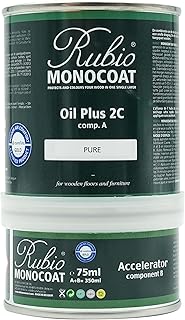
Rubio Monocoat Oil Plus 2C
Rubio Monocoat has earned its reputation among woodworkers for a reason: a single coat bonds molecularly with the wood, creating a matte, incredibly natural-feeling surface that resists water and stains far better than its minimal appearance suggests. It’s an eco-friendly linseed-based formula that includes the accelerator you need, so there’s no guesswork about ratios. This is the premium pick for anyone who wants the table to feel like wood, not like wood under plastic.
Frequently Asked Questions
What is the best finish for a wood dining room table?
There isn’t one universal answer, but polyurethane-based finishes and hardwax oils consistently outperform alternatives for dining surfaces. The “best” depends entirely on whether you prioritize a thick protective film or a natural-feeling surface you can repair easily. For most households balancing durability with appearance, a quality oil or varnish-oil hybrid hits the sweet spot.
Should I use polyurethane or polycrylic on my dining table?
Choose polycrylic if you want a water-based finish that stays perfectly clear and dries quickly. Choose oil-based polyurethane if you need maximum scratch and heat resistance and don’t mind a slight amber tone that deepens the wood color. For light-colored woods, polycrylic is almost always the better choice.
How do I maintain a finished wood dining table?
Wipe spills promptly, use placemats or trivets for hot dishes, and apply a quality wax or conditioner like PIPIHUA Beeswax every few months to keep the surface supple. Avoid silicone-based spray polishes—they create a waxy buildup that makes future refinishing more difficult. For minor scratches, a matching wax stick or a light application of the original finish blended in with 0000 steel wool works remarkably well.
How often should I reapply finish to my dining table?
A well-applied hard finish like Minwax Polycrylic or Rubio Monocoat can last three to five years on a dining table with normal use before showing meaningful wear. Oil finishes and waxes generally need touching up every six to twelve months, but each reapplication takes only minutes. The frequency depends entirely on how hard your table works.
Final Thoughts
For most dining room tables, Rubio Monocoat Oil Plus 2C is the standout choice—it delivers a genuinely beautiful, repairable finish that protects without hiding the wood you invested in. Tried & True Varnish Oil earns a strong second for its forgiving application and food-safe credentials. And if budget and availability matter most, Minwax Polycrylic remains a dependable workhorse that you can pick up and apply with confidence this weekend.