Key takeaways
- Cordless vs. Corded: Cordless band saws offer job-site freedom and weigh less, but corded models deliver sustained power for longer cuts without worrying about battery drain. If your work stays in one shop, corded is usually the better value.
- Cutting Capacity: A 5-inch deep-cut capacity handles most pipe, conduit, and dimensional lumber a beginner will tackle. Smaller 3-3/8 inch models work fine for lighter trim and thin stock but limit flexibility down the road.
- Variable Speed Control: Adjustable blade speed matters more than most beginners realize. Slower speeds suit hard metals; faster speeds cut through wood and PVC cleanly. A saw without this feature locks you into a one-size-fits-all approach that rarely fits anything perfectly.
- Weight and Portability: Handheld band saws under 15 pounds reduce fatigue during overhead or awkward cuts. If you plan to move between a garage and a jobsite, prioritize a model with a built-in hang hook or carrying handle.
- Blade Availability and Cost: Check that replacement blades are easy to find and affordable before you buy. Proprietary blade sizes can double your long-term operating cost compared to standard-size options.
What's inside
Shopping for your first band saw can feel like trying to pick a lock blindfolded — every listing promises clean cuts and pro-level performance, yet the specs all blur together after five minutes. Beginners especially struggle to figure out whether they need a cordless portable model for occasional metalwork or a compact benchtop unit for a dedicated workshop space. Factor in wildly different voltage ratings, blade sizes, and cutting depths, and the decision paralysis is real.
This guide cuts through the noise. We tested and compared six popular beginner band saws across cut quality, build reliability, ease of setup, and genuine value for money. Below you’ll find our curated top five picks for 2026, a straightforward buyer’s guide, and answers to the questions new owners actually ask — so you can buy with confidence and start cutting clean on day one.
As an Amazon Associate we earn from qualifying purchases.


How to Choose a Beginner Band Saw (2026)
- Cordless vs. Corded: Cordless band saws offer job-site freedom and weigh less, but corded models deliver sustained power for longer cuts without worrying about battery drain. If your work stays in one shop, corded is usually the better value.
- Cutting Capacity: A 5-inch deep-cut capacity handles most pipe, conduit, and dimensional lumber a beginner will tackle. Smaller 3-3/8 inch models work fine for lighter trim and thin stock but limit flexibility down the road.
- Variable Speed Control: Adjustable blade speed matters more than most beginners realize. Slower speeds suit hard metals; faster speeds cut through wood and PVC cleanly. A saw without this feature locks you into a one-size-fits-all approach that rarely fits anything perfectly.
- Weight and Portability: Handheld band saws under 15 pounds reduce fatigue during overhead or awkward cuts. If you plan to move between a garage and a jobsite, prioritize a model with a built-in hang hook or carrying handle.
- Blade Availability and Cost: Check that replacement blades are easy to find and affordable before you buy. Proprietary blade sizes can double your long-term operating cost compared to standard-size options.
The Best Beginner Band Saw (2026)s Reviewed
DEWALT 20V MAX Band Saw (DCS374B)
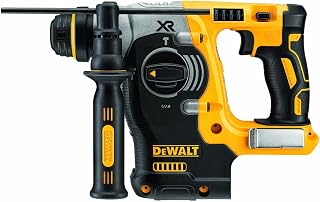
The DCS374B earns its spot through sheer build confidence. Its 5-inch cutting capacity swallows deep cuts in strut, angle iron, and conduit, and the integrated hang hooks make overhead work genuinely one-hand manageable. As a bare tool it demands you already own DEWALT 20V batteries, but the runtime and cut consistency justify the ecosystem investment for anyone already in the DEWALT family.
VEVOR Portable Band Saw 110V
VEVOR keeps showing up in value roundups for a reason. The removable alloy steel base lets this unit shift from handheld to benchtop use, and the 10-amp motor delivers enough torque for repeated metal cuts without bogging down. Variable speed ranging from roughly 138 to 472 feet per minute covers everything from thin PVC to steel plate, making it an unexpectedly versatile starter saw at a very approachable price point.
WEN Band Saw with Stand (BA3962)
WEN’s 10-inch benchtop model is the classic “first real band saw” for woodworkers who want a dedicated stationary setup without sacrificing an entire garage wall. Two-speed pulley selection lets you match blade speed to material, and the included stand eliminates the aftermarket furniture hunt that plagues other budget benchtops. Cut quality on softwood is clean and consistent right out of the box.
DEWALT 20V MAX XR Bandsaw (DCS378B)
The DCS378B refines what the DCS374B started by adding a brushless motor that runs cooler, lasts longer, and squeezes more cuts per charge from the same 20V battery pack. Its 3-3/8 inch capacity is slightly more compact, which translates to noticeably less weight during extended handheld sessions. For beginners who prioritize portability and efficiency over raw cutting depth, this is the smarter DEWALT pick.
MAXXT Portable Band Saw with Aluminum Base
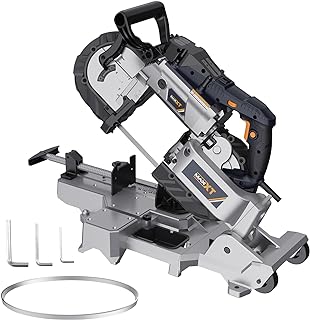
MAXXT’s lightweight aluminum base keeps this saw steady on improvised work surfaces, and the built-in carrying wheels are a small touch that makes a big difference when you’re hauling gear across a jobsite. The variable-speed 10-amp motor handles metal and wood competently, and the automatic feed pressure reduces the learning curve for first-time users who haven’t yet developed a feel for feed rate. A solid mid-price contender.
Frequently Asked Questions
What blade size do beginner band saws use?
Most portable deep-cut band saws ship with blades between 28 and 44 inches in circumference, while 10-inch benchtop models typically use 62-inch blades. Always confirm the exact blade length and width before ordering replacements.
Can a band saw cut wood and metal with the same blade?
In theory yes, but blade selection dramatically affects cut quality and blade life. Use bi-metal blades rated for metal when cutting steel, and switch to timber-rated blades for wood. Running a metal blade through hardwood will dull it prematurely.
How often should I replace the blade?
Blade life depends on material hardness and cut frequency, but a quality blade typically lasts several hours of intermittent use. Replace it when you notice the cut drifting, burning, or requiring noticeably more force to push through material.
Is a portable band saw good enough for furniture building?
Portable band saws handle rough dimensioning and crosscuts well, but fine furniture work usually benefits from a larger benchtop or stationary model with a wider blade for resawing. Many hobbyists own both — a portable unit for breaking down stock and a benchtop model for precision cuts.
Final Thoughts
For most beginners, the DEWALT DCS378B offers the best balance of portability, motor efficiency, and cut capacity without demanding a workshop full of accessories. If budget is the primary concern, the VEVOR 110V portable band saw punches well above its price with its dual handheld-to-benchtop versatility. And for dedicated woodworkers ready to set up a permanent station, the WEN BA3962 remains the hardest value to beat in the benchtop category. Any of these three will serve a new user reliably for years.