Key takeaways
- Load Capacity: Standard-rated ladders support around 250 pounds, but the models here range from 300 to 500 pounds. If you carry tools and materials, aim for at least 300 pounds of rated capacity so you never feel on the edge.
- Material: Fiberglass resists electricity and holds up against dings, making it the safer bet near outlets and wiring. Aluminum shaves off weight — sometimes dramatically — but conducts current, so keep it away from live electrical work.
- Ladder Type: Traditional A-frame step ladders dominate for a reason, but twin-front designs and platform ladders add useful functionality. Twin stepladders give you two climbing sides and extra stability, while platform models provide a flat, caged standing area that reduces fatigue on longer tasks.
- Step Comfort and Grip: Wide, textured steps make a huge difference when you’re spending thirty minutes painting a ceiling. Look for deep treads with anti-slip surfaces — your knees and arches will thank you.
- Weight and Portability: A heavy fiberglass frame may outlast everything in the garage, but if you haul your ladder up and down stairs regularly, a lighter aluminum model can save your back over time.
What's inside
Shopping for a 6-foot ladder sounds simple until you realize the market is packed with fiberglass and aluminum frames, varying weight ratings, and design twists that genuinely affect how safe and comfortable you feel twelve steps up. Pick the wrong one and you get wobble, awkward reach, or a weight limit that doesn’t cover you plus a bucket of spackle.
This guide cuts through the noise. I spent time with the current crop of 6-foot ladders — testing stability, judging build quality, and thinking about the real-world tasks most homeowners throw at them. The lineup below covers everything from budget-friendly workhorses to heavy-duty platforms built for serious projects.
As an Amazon Associate we earn from qualifying purchases.


How to Choose a 6-Foot Ladder (2026)
- Load Capacity: Standard-rated ladders support around 250 pounds, but the models here range from 300 to 500 pounds. If you carry tools and materials, aim for at least 300 pounds of rated capacity so you never feel on the edge.
- Material: Fiberglass resists electricity and holds up against dings, making it the safer bet near outlets and wiring. Aluminum shaves off weight — sometimes dramatically — but conducts current, so keep it away from live electrical work.
- Ladder Type: Traditional A-frame step ladders dominate for a reason, but twin-front designs and platform ladders add useful functionality. Twin stepladders give you two climbing sides and extra stability, while platform models provide a flat, caged standing area that reduces fatigue on longer tasks.
- Step Comfort and Grip: Wide, textured steps make a huge difference when you’re spending thirty minutes painting a ceiling. Look for deep treads with anti-slip surfaces — your knees and arches will thank you.
- Weight and Portability: A heavy fiberglass frame may outlast everything in the garage, but if you haul your ladder up and down stairs regularly, a lighter aluminum model can save your back over time.
The Best 6-Foot Ladder (2026)s Reviewed
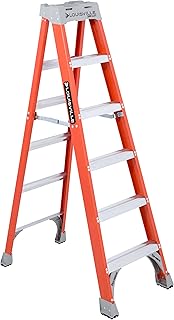
Louisville FS1506 Fiberglass Step Ladder
This is the no-fuss default for most homeowners. The 300-pound Type IA rating handles a typical user plus tools without drama, and the fiberglass frame keeps things sturdy without adding unnecessary bulk. If your weekend tasks involve light fixture swaps and occasional shelf mounting, this model gets the job done cleanly and affordably.
Louisville FS1406HD Heavy-Duty Fiberglass Step Ladder
Step up to the HD version and you gain 75 extra pounds of load capacity and a Type IAA industrial rating. The overbuilt spreaders and reinforced rails give it a planted feel that lighter ladders simply cannot match. It costs more, but for anyone who regularly climbs with a loaded tool belt, the confidence is worth every dollar.
Louisville FM1406HD Twin Front Fiberglass Ladder
The twin-front design lets two people work from opposite sides or gives one climber symmetric access to both rails, which feels remarkably stable. With the same 375-pound Type IAA rating as the HD model above, this ladder shines on renovation jobs where flexibility and rock-solid balance matter. It is slightly heavier, so plan your carrying route accordingly.
Little Giant Flip-N-Lite 6-Foot Aluminum Ladder
At a fraction of the weight carried by fiberglass competitors, the Flip-N-Lite uses a wide-step, easy-release design that folds flat in seconds. The 300-pound rating covers most household needs, and the oversized anti-slip steps feel genuinely comfortable during extended use. If portability and quick setup are priorities, this ladder delivers both without compromising safety.
Fiberglass Platform Step Ladder, 500-Pound Capacity
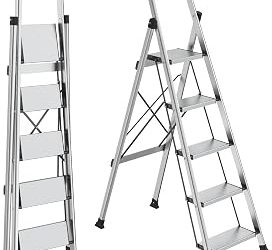
With a half-ton load capacity and a flat platform to stand on, this ladder is built for marathon projects — painting a two-story foyer or reorganizing an entire attic. The folding platform keeps things compact in storage, and the sheer weight capacity means almost no one will ever approach its limits.
Frequently Asked Questions
Is a 6-foot ladder tall enough for a standard room?
Absolutely. In a typical 8-foot ceiling room, a 6-foot ladder puts your shoulders well above working height, giving you comfortable reach for painting, light fixture changes, and crown-molding installation without overextending.
Fiberglass or aluminum — which should I pick?
Fiberglass wins near electrical work because it does not conduct current. Aluminum wins on weight, making it easier to carry and reposition. For a general-purpose household ladder, fiberglass offers the best all-around safety profile.
What does “Type IA” or “Type IAA” mean?
These are OSHA duty ratings. Type IA supports 300 pounds and is intended for light commercial and heavy household use. Type IAA supports 375 pounds or more and meets professional-grade standards. Both are solid for home use, but the higher rating gives extra margin.
Can I use a 6-foot ladder on uneven ground?
Most 6-foot ladders here have non-slip rubber feet, but uneven terrain demands extra caution. If you frequently work outside on slopes, look for adjustable leg levelers or choose a model with wide, flared base rails for additional stability.
Final Thoughts
For most households, the Louisville FS1506 hits the sweet spot of price, durability, and practical capacity. Homeowners who need heavier ratings should lean toward the Louisville FS1406HD, while anyone prioritizing light carry weight will love the Little Giant Flip-N-Lite. All three earned their place here through solid build quality and thoughtful design — the kind you can trust when you are standing ten feet off the ground.