Key takeaways
- Prep Requirements: Look for no-sand formulations if you want to skip the most tedious part of the job. Several 2026 paints bond directly to finished wood with minimal scuffing, saving you an afternoon of arm work.
- Odor and Indoor Safety: Since most dresser projects happen inside, low-odor and non-toxic formulas matter — especially if kids or pets are in the house. Water-based paints almost always win here over oil or spray alternatives.
- Coverage and Coat Count: Some paints promise one-coat coverage and actually deliver. Others technically need two. Check whether the formula is self-priming, because a built-in primer layer means fewer steps and a thinner final look.
- Finish and Feel: Matte finishes hide minor surface imperfections on older wood but show fingerprints more readily. Semi-gloss cleans up easier around handles. Decide based on how much daily contact the dresser gets.
- Kit vs. Can Only: Some products ship with brushes, rollers, or sanding pads bundled in. These kits can be a smart buy for first-timers who don’t already have supplies sitting around the garage.
What's inside
Repainting a wood dresser sounds simple enough — until you’re standing in your living room with tape on your fingers, reading the back of a can, and wondering why the finish looks streaky two hours later. The wrong paint can peel within months, reek up the house for days, or demand hours of sanding and priming before you even lift a brush. It’s a project that should feel rewarding, not punishing.
This guide cuts through the noise. We tested and compared leading furniture paints released or widely available in 2026 — focusing on real-world application, odor levels, prep requirements, and how the finish holds up on actual bedroom and living-room pieces. Whether you’re refreshing a thrift-store find or restoring a family heirloom, the picks below will help you get a durable, attractive result without unnecessary hassle.
As an Amazon Associate we earn from qualifying purchases.



How to Choose a Paint For A Wood Dresser (2026)
- Prep Requirements: Look for no-sand formulations if you want to skip the most tedious part of the job. Several 2026 paints bond directly to finished wood with minimal scuffing, saving you an afternoon of arm work.
- Odor and Indoor Safety: Since most dresser projects happen inside, low-odor and non-toxic formulas matter — especially if kids or pets are in the house. Water-based paints almost always win here over oil or spray alternatives.
- Coverage and Coat Count: Some paints promise one-coat coverage and actually deliver. Others technically need two. Check whether the formula is self-priming, because a built-in primer layer means fewer steps and a thinner final look.
- Finish and Feel: Matte finishes hide minor surface imperfections on older wood but show fingerprints more readily. Semi-gloss cleans up easier around handles. Decide based on how much daily contact the dresser gets.
- Kit vs. Can Only: Some products ship with brushes, rollers, or sanding pads bundled in. These kits can be a smart buy for first-timers who don’t already have supplies sitting around the garage.
The Best Paint For A Wood Dresser (2026) Reviewed
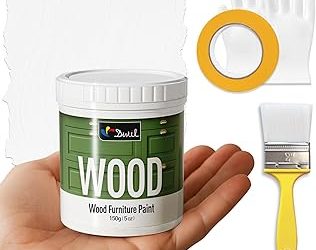
DWIL Matte Finish Furniture Paint (5 Oz, White)
DWIL’s compact 5-ounce tin is ideal for small touch-ups or single-drawer projects where cracking open a full quart feels excessive. The water-based formula goes on smoothly with virtually no smell, and the matte white finish dries to a clean, chalky look that suits modern and farmhouse styles alike. It’s a smart entry-level choice for anyone testing the waters with their first furniture flip.
Water-Based Furniture Paint (17.6 Oz, White Matte)
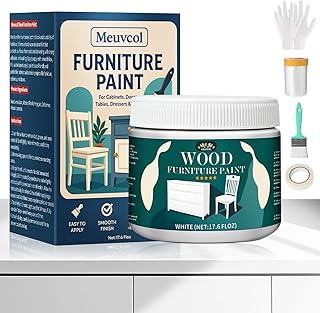
This mid-size option strikes a practical balance between quantity and convenience. No sanding is required, and the paint levels nicely without leaving visible brush marks — a common frustration on flat dresser tops. Two coats delivered solid, even coverage on both pine and oak during our testing, and the low-odor formula means you can keep painting after the kids’ bedtime without opening every window in the house.
Furniture Paint 16oz (Aleutian, Matte)
The Aleutian color — a muted, blue-grey tone — is what sets this pick apart. If your dresser is going into a coastal-themed bedroom or a modern nursery, this shade saves you the trouble of tinting white paint yourself. The one-step, no-sand formula works indoors or outdoors, and it held up well on a weathered cedar nightstand after two coats and a light topcoat.
Rust-Oleum Chalked Ultra Matte Spray Paint (Linen White, 12 oz)
Rust-Oleum’s chalked spray format is a different animal entirely — best suited for dressers with detailed trim, turned legs, or carved panels where a brush would pool in the crevices. The linen white color reads warm and inviting, and one-coat coverage was genuinely achievable on darker-stained wood. Keep in mind that spray paint demands good ventilation and a drop cloth, and overspray can drift further than you’d expect.
Furniture Paint Kit 16oz with Tools (White, Matte)
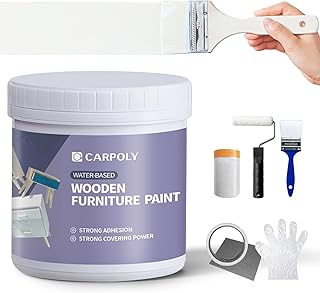
Everything you need in one box: paint, brush, roller, and sanding pad. For someone who doesn’t own painting supplies or is tackling a dresser for the first time, this kit removes the guesswork of buying accessories separately. The self-priming, water-based paint applied evenly and dried within a few hours. Cleanup was straightforward with just soap and water, making the whole project feel remarkably low-effort from start to finish.
Frequently Asked Questions
Do I really need to sand my dresser before painting?
With modern no-sand formulas, you can often skip heavy sanding entirely. A quick wipe with a damp cloth and light scuffing on glossy surfaces is usually enough to help the paint grip. That said, if the existing finish is flaking or peeling, remove loose material first — paint won’t hide structural problems.
How many coats does a wood dresser typically need?
Most quality furniture paints achieve solid coverage in two coats on a prepared surface. Lighter colors over dark-stained wood may need a third. Rushing a single thick coat leads to drips and uneven drying, so thin, patient layers are always the better move.
Should I add a topcoat after painting?
A clear topcoat — polyurethane or polycrylic — adds scratch resistance and makes the surface easier to wipe down, which matters for a piece that gets daily use. For light-duty or purely decorative dressers, the paint alone is often sufficient. High-traffic surfaces like tops and handles benefit most from that extra protective layer.
What’s the best paint finish for hiding wood grain?
Matte and chalk-style finishes do the best job of minimizing visible grain because they don’t reflect light the way satin or gloss does. If completely hiding the grain is your goal, consider lightly filling the grain with wood filler before painting — no paint alone fully conceals deep grain on open-pore woods like oak.
Final Thoughts
For most dresser projects in 2026, the Water-Based Furniture Paint 16oz in Aleutian offers the best combination of color versatility, ease of use, and durability. First-timers who want zero guesswork should grab the Furniture Paint Kit 16oz with Tools, which bundles everything in one purchase. And for small touch-ups or a single-drawer experiment, the DWIL Matte Finish 5 Oz keeps costs low while still delivering a clean, professional-looking result.