Key takeaways
- Viscosity Grade: Most axial and triplex pumps spec 15W-40 or a dedicated non-detergent pump oil; check your owner’s manual before defaulting to whatever sits on the shelf.
- Synthetic vs. Conventional: Synthetic formulas tolerate heat spikes better and flow more freely at cold start — worth the premium if you run your washer hard or live somewhere with real winters.
- Volume Per Change: Small pumps may only hold 8–12 oz while larger triplex units consume a full quart. Buy the size that matches a single change to avoid half-used bottles sitting around.
- Non-Detergent Formula: Pump oils are not engine oils. Detergent additives designed for combustion engines will strip away the protective film inside a pump; always confirm the bottle says non-detergent or “pump oil.”
- Manufacturer Compatibility: Some pumps (CAT, General, AAA) have specific lubricant recommendations. Using the exact OEM-specified oil protects your warranty and keeps internal tolerances tight.
What's inside
Most pressure washer owners treat their pump like it’ll run forever — until it doesn’t. A seized or under-lubricated pump is one of the top reasons a perfectly good washer ends up at the curb, and replacing that pump often costs more than the machine itself. The fix is absurdly simple: the right pump oil, swapped on schedule. Yet walk through any big-box store aisle and you’ll find a wall of options with labels that all sound urgent, none of them clear.
This guide cuts through the noise. We looked at six pressure washer pump oils across synthetic and conventional formulas, different bottle sizes, and use cases ranging from routine seasonal maintenance to full pump rebuilds. Below you’ll find straight-to-the-point reviews and a no-nonsense buying framework so you can grab what you actually need and get back to spraying.
As an Amazon Associate we earn from qualifying purchases.

How to Choose an Oil For Pressure Washer Pump (2026)
- Viscosity Grade: Most axial and triplex pumps spec 15W-40 or a dedicated non-detergent pump oil; check your owner’s manual before defaulting to whatever sits on the shelf.
- Synthetic vs. Conventional: Synthetic formulas tolerate heat spikes better and flow more freely at cold start — worth the premium if you run your washer hard or live somewhere with real winters.
- Volume Per Change: Small pumps may only hold 8–12 oz while larger triplex units consume a full quart. Buy the size that matches a single change to avoid half-used bottles sitting around.
- Non-Detergent Formula: Pump oils are not engine oils. Detergent additives designed for combustion engines will strip away the protective film inside a pump; always confirm the bottle says non-detergent or “pump oil.”
- Manufacturer Compatibility: Some pumps (CAT, General, AAA) have specific lubricant recommendations. Using the exact OEM-specified oil protects your warranty and keeps internal tolerances tight.
The Best Oil For Pressure Washer Pump (2026)s Reviewed
Stens 100214 Pressure Washer Pump Oil
Stens has built a quiet reputation among small-engine repair shops, and this bottle is a big reason why. It’s a straightforward non-detergent pump oil engineered for General Pump units, pours clean, and meets OEM specs without charging a boutique price. If your pump calls for a General Pump lubricant, this is the one to reach for.
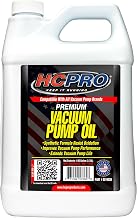
HCPRO HCVPO128 Vacuum & Pump Oil (1 Gallon)
Sold as a universal synthetic refrigeration and vacuum pump oil, HCPRO’s non-misting formula works across pressure washer pumps as well — particularly in shops that service multiple types of equipment and want one drum that does double duty. The gallon jug is overkill for a single homeowner, but for anyone maintaining a fleet of washers it delivers excellent per-ounce value.
Valley Industries Premium Pump Oil (1 Liter)
Valley Industries packages exactly what a mid-season top-off needs: a clean, sealed liter bottle with a no-spout design that actually fits pump fill ports without a funnel. The oil itself sits comfortably in the non-detergent, mineral-based camp — perfectly fine for standard-pressure residential machines and a solid budget pick if you change oil twice a season.
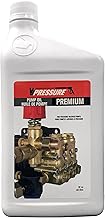
Specialized Pump Lubricant for CAT Pumps (21 Oz)
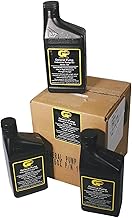
CAT pump owners know the brand can be particular about lubrication. This 21 oz bottle is formulated specifically for CAT maintenance routines, with additives that address corrosion and wear inside close-tolerance ceramic plungers. It’s not cheap per ounce, but buying the wrong oil and voiding a CAT pump warranty costs a whole lot more.
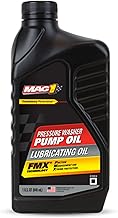
Stens 60694 Pressure Washer Pump Oil (1 Quart)
The bigger sibling in Stens’ lineup, this quart-sized bottle serves pumps with larger oil reservoirs or shops that prefer keeping a full bottle on the shelf for quick swaps. Same non-detergent, pump-specific formula Stens is known for — just more of it. A practical pick for anyone tired of running dry mid-change.
Frequently Asked Questions
Can I use regular motor oil in my pressure washer pump?
You shouldn’t. Motor oils contain detergent additives designed to suspend combustion byproducts — those same additives will break down the oil film that protects pump bearings and seals. Stick with a labeled non-detergent pump oil to keep things safe.
How often should I change my pressure washer pump oil?
A good rule is every 50 hours of use or at least once per season, whichever comes first. If you notice the oil looks milky or gray, change it immediately — that’s a sign water has contaminated the reservoir.
What happens if I never change the pump oil?
The oil degrades, thins out under heat, and stops protecting internal components. Over time you’ll see leaking seals, overheating, and eventually a locked-up pump that requires a full rebuild or replacement.
Are all pump oils universal across brands?
Not necessarily. While many non-detergent pump oils are broadly compatible, brands like CAT and General Pump have their own specifications. Always cross-reference your pump’s manual before assuming a generic oil will work.
Final Thoughts
For most homeowners with a standard axial pump, the Stens 100214 hits the sweet spot of reliability and value. CAT pump owners are best served by the dedicated 21 oz CAT-compatible lubricant, and anyone maintaining multiple machines will appreciate the gallon-sized HCPRO for its per-use savings. Whatever you pick, changing pump oil on a regular schedule is the single cheapest insurance policy you can buy against an expensive failure.