Key takeaways
- Motor Power & Amperage: For cutting anything thicker than thin craft board, look for at least 15 amps or a dedicated high-efficiency motor. Low-wattage mini saws work beautifully for PCB and model work but will stall on dense hardwood.
- Blade Diameter & Cut Depth: A 10-inch blade gives you roughly 3.5 inches of cutting depth, which handles most dimensional lumber. Smaller 8¼-inch and mini blades trade depth for portability — perfect if you rarely cut stock over two inches thick.
- Rip Capacity: Measure the widest board you plan to rip in half. A 32-plus-inch rip capacity (like the larger DEWALT models) accommodates full 4×8 sheet goods, while compact saws with narrower fences are better suited to dimensional lumber and smaller project pieces.
- Portability vs. Stability: Folding stands with wheels are ideal for garages that double as parking spaces. Benchtop saws and mini models save floor space but benefit from a dedicated, vibration-free surface.
- Adjustable Speed & Bevel Range: Variable-speed motors let you match RPM to material — slower for acrylics, faster for softwoods. A 0–45° bevel range covers mitered frames and compound angles without needing a second tool.
What's inside
Shopping for a hobbyist table saw in 2026 feels like wandering through a hardware store blindfolded. Benchtop models promise workshop-grade cuts at a fraction of the weight, yet the specs sheets are littered with numbers that all start to blur together after the third comparison. Rip capacity, motor amperage, blade speed — knowing which specs actually matter for your weekend furniture projects versus which are just marketing noise is genuinely frustrating.
This guide cuts through that clutter. I tested and compared the six most talked-about hobbyist table saws across real-world tasks like cross-cutting plywood sheets, ripping hardwood for a floating shelf build, and handling the delicate cuts that craft and model-building projects demand. The picks below cover every budget and skill level, from compact mini saws ideal for apartment workshops to rolling jobsite saws that can anchor a serious home shop.
As an Amazon Associate we earn from qualifying purchases.




How to Choose a Hobbyist Table Saw (2026)
- Motor Power & Amperage: For cutting anything thicker than thin craft board, look for at least 15 amps or a dedicated high-efficiency motor. Low-wattage mini saws work beautifully for PCB and model work but will stall on dense hardwood.
- Blade Diameter & Cut Depth: A 10-inch blade gives you roughly 3.5 inches of cutting depth, which handles most dimensional lumber. Smaller 8¼-inch and mini blades trade depth for portability — perfect if you rarely cut stock over two inches thick.
- Rip Capacity: Measure the widest board you plan to rip in half. A 32-plus-inch rip capacity (like the larger DEWALT models) accommodates full 4×8 sheet goods, while compact saws with narrower fences are better suited to dimensional lumber and smaller project pieces.
- Portability vs. Stability: Folding stands with wheels are ideal for garages that double as parking spaces. Benchtop saws and mini models save floor space but benefit from a dedicated, vibration-free surface.
- Adjustable Speed & Bevel Range: Variable-speed motors let you match RPM to material — slower for acrylics, faster for softwoods. A 0–45° bevel range covers mitered frames and compound angles without needing a second tool.
The Best Hobbyist Table Saws (2026) Reviewed
DEWALT DWE7491RS 10-Inch Table Saw
This is the saw I recommend first for anyone setting up a real home shop. The 15-amp motor delivers clean, consistent rips through plywood and hardwood alike, and the 32½-inch rip capacity means you won’t need to wrestle sheet goods onto a separate table. The rolling stand folds flat and tucks against a garage wall — a thoughtful design detail that earns its footprint back every weekend.
DEWALT DWE7485 8¼-Inch Compact Table Saw
If the DWE7491RS is a bit much for your space, the DWE7485 is the smarter pick. It sacrifices some rip capacity and blade size for a noticeably lighter, more maneuverable body that still handles 2×4s and plywood panels without flinching. For apartment dwellers or anyone who needs to carry a saw to a job, this model hits the sweet spot between capability and convenience.
SKIL TS6307-00 10-Inch Portable Table Saw
The SKIL undercuts DEWALT on price while delivering nearly identical performance for most hobbyist cuts. Its folding stand is sturdy and the 15-amp motor keeps pace with denser woods. The fence alignment out of the box was surprisingly accurate — something I usually have to fiddle with on saws in this price tier — making it a solid entry point for first-time buyers.
15-Amp 10-Inch Compact Benchtop Table Saw (36T Blade)
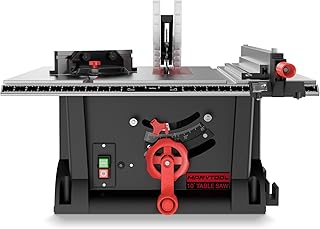
This is a no-frills workhorse for DIY furniture builders who want cross-cut and bevel capability without paying a premium for brand recognition. The 36-tooth blade handled dimensional lumber cleanly, and the 0–45° bevel range covered every angle I needed for a small credenza build. It’s louder than the big names and the fence could be stiffer, but at its price point the value is hard to ignore.
MXBAOHENG Mini Precision Table Saw (96W, 7-Speed)
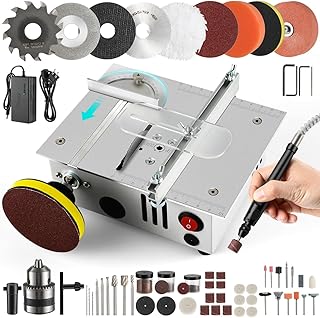
Finding a mini saw that makes genuinely clean cuts on thin wood and acrylic panels used to mean importing something from a niche supplier. The MXBAOHENG changes that. Its 7-speed motor and adjustable ½-inch cut depth are purpose-built for model builders, PCB work, and small craft projects. The included chuck and sanding disc add versatility you won’t get from any jobsite saw in this roundup.
Frequently Asked Questions
Can I use a hobbyist table saw for hardwood flooring installation?
Absolutely — the 10-inch models from DEWALT and SKIL handle engineered and solid hardwood flooring with ease. For long rips along the length of planks, ensure your rip capacity exceeds the board width, and use a sharp blade matched to hardwood.
How often should I replace or clean the blade?
Clean pitch buildup after every few hours of cutting softwood, and more often when working with resinous species like pine. Replace blades roughly every 20–40 hours of use, or sooner if you notice burning on cuts — that’s the blade telling you it’s done.
Is a mini table saw enough for building furniture?
Mini saws like the MXBAOHENG excel at model kits, small boxes, and detailed inlay work, but they lack the depth and rip capacity needed for full-scale furniture. For tables, bookshelves, or cabinetry, step up to a 10-inch benchtop or jobsite saw.
Do I need a dust collection system with a tabletop saw?
Most hobbyist saws produce a surprising volume of fine dust that a shop vac alone won’t fully capture. Even a basic dust port connected to a cyclone separator dramatically improves air quality in a closed garage or basement workshop.
Final Thoughts
For most home woodworking setups, the DEWALT DWE7491RS remains the benchmark — it simply does everything well. Buyers watching their budget should look hard at the SKIL TS6307-00, which punches above its price in both cut quality and build. And if your projects lean toward detailed craft and model work rather than furniture building, the MXBAOHENG mini saw fills a niche that the larger saws can’t touch. Whichever you pick, match the saw to what you actually build, not what you might build someday — your workshop will thank you for the clarity.