Key takeaways
- Weight matters more than feel. A thick, tightly woven upholstery fabric (around 10 oz/yd² or heavier) resists snags and wears far longer than lightweight craft cloth. Test by folding it — if the fold line disappears instantly, it’s too thin for a seat you use daily.
- Check fiber content and washability. Polyester and cotton-poly blends survive repeated wipe-downs better than pure natural fibers. If you have kids, prioritize fabrics marketed as waterproof or at minimum water-resistant, since dining chairs take the brunt of everyday spills.
- Measure yardage generously. Most dining chairs need 1 to 1.5 yards of 54-inch-wide fabric. Buying an extra half-yard accounts for pattern alignment, mistakes, and the occasional chair with deeper cushioning than standard.
- Match pattern scale to chair size. Large botanical or themed prints look stunning on a full chair back but can read chaotic on a small seat pad. For compact chairs, medium-scale geometrics or solid textures are safer bets.
- Consider indoor-outdoor versatility. Fabrics rated for both environments use UV-stabilized dyes and moisture-wicking backings that also extend life inside a busy kitchen. They clean up faster and resist mildew if your dining area runs humid.
What's inside
Reupholstering dining chairs is one of those projects that sounds simple until you’re scrolling through hundreds of fabric listings with no clear idea which material will actually hold up to nightly use, spilled sauces, and sliding kids. Weight, weave, width, and texture all matter more than most buyers expect, and choosing wrong means starting over within a season.
This guide cuts through the noise with five upholstery-grade fabrics that cover a range of styles — from understated linen looks to bold conversation-starter prints. Each pick was evaluated for durability, workability on a staple gun, ease of cleaning, and how well it drapes over a standard dining chair frame.
As an Amazon Associate we earn from qualifying purchases.



How to Choose a Fabric To Reupholster Dining Chairs (2026)
- Weight matters more than feel. A thick, tightly woven upholstery fabric (around 10 oz/yd² or heavier) resists snags and wears far longer than lightweight craft cloth. Test by folding it — if the fold line disappears instantly, it’s too thin for a seat you use daily.
- Check fiber content and washability. Polyester and cotton-poly blends survive repeated wipe-downs better than pure natural fibers. If you have kids, prioritize fabrics marketed as waterproof or at minimum water-resistant, since dining chairs take the brunt of everyday spills.
- Measure yardage generously. Most dining chairs need 1 to 1.5 yards of 54-inch-wide fabric. Buying an extra half-yard accounts for pattern alignment, mistakes, and the occasional chair with deeper cushioning than standard.
- Match pattern scale to chair size. Large botanical or themed prints look stunning on a full chair back but can read chaotic on a small seat pad. For compact chairs, medium-scale geometrics or solid textures are safer bets.
- Consider indoor-outdoor versatility. Fabrics rated for both environments use UV-stabilized dyes and moisture-wicking backings that also extend life inside a busy kitchen. They clean up faster and resist mildew if your dining area runs humid.
The Best Fabric To Reupholster Dining Chairs (2026) Reviewed
TinaKim Thick Chair Upholstery Fabric – Flaxen
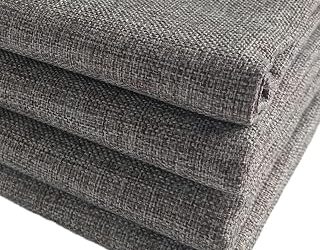
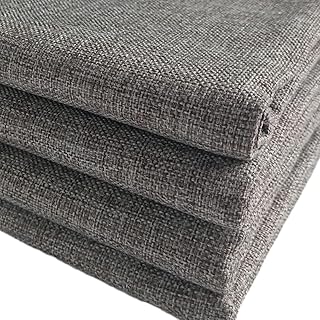
This faux-linen cloth in a warm flaxen tone delivers the relaxed, textured look of natural linen without the wrinkle sensitivity. Its thicker weight holds up well over foam cushions and resists shifting under staples, making it a solid first choice for anyone tackling their first reupholstery job.
Faux Linen Needlework Fabric – Grey Blue
At 3.3 yards and 57 inches wide, this generous cut handles a full set of four to six dining chairs without running short. The muted grey-blue reads neutral enough for most palettes, and the needlework-style weave adds visual depth without competing with table settings or wall art.
Erosebridal Florals Flannel Fabric – Black Red Yellow
The bold botanical pattern brings instant energy to a plain dining set, especially in a room that leans monochromatic. The flannel hand feels softer than typical upholstery stock, so it works best on chairs that see moderate use rather than heavy daily traffic.
Erosebridal Cowboy Fabric – Brown
This Western-themed print with horses and cacti on a denim-tone base is surprisingly versatile in rustic or Southwestern-inspired spaces. The waterproof finish makes cleanup straightforward, and the 10-yard bolt is ideal if you’re reupholstering a full dining set plus a matching bench or two.
Poker Plaid Upholstery Fabric – Red Black
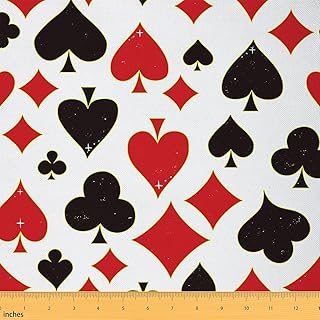
With its card-suit motifs woven into a classic plaid, this fabric turns a game room or basement bar into something with real personality. It’s waterproof and rated for indoor-outdoor use, so it stands up to sticky drinks and frequent cleaning without fading or pilling.
Frequently Asked Questions
How much fabric do I need for four dining chairs?
Plan on approximately 4 to 6 yards of 54-inch-wide fabric for a standard set of four parson-style chairs. If your chairs have tall backs, deep seats, or you’re matching a stripe or large print, add another yard to ensure you can align patterns consistently across all seats.
Can I use regular sewing fabric for upholstery?
Cotton quilting fabric and apparel-weight materials lack the tensile strength and abrasion resistance upholstery demands. They pill, stretch, and wear through within months. Stick with fabrics specifically labeled for upholstery or heavy-duty use to avoid premature replacement.
Do I need to remove old fabric before reupholstering?
It depends on the chair’s condition. If the existing fabric is clean, flat, and free of tears, you can staple directly over it and save time. However, if the old fabric is lumpy, moldy, or several layers thick, stripping it down to the foam or padding gives a much cleaner, more professional finish.
What tools make reupholstering easiest?
A heavy-duty staple gun, a fabric marking pencil, sharp fabric scissors or a rotary cutter, and a flat-head screwdriver for removing old staples will cover most projects. Adding a magnetic wristband for staples and a small rubber mallet helps keep the process smooth and frustration-free.
Final Thoughts
For the best balance of durability, ease of handling, and everyday cleanability, the TinaKim Thick Chair Upholstery Fabric in flaxen is our top pick for most dining rooms. If you want a generous cut at a lower per-yard cost, the Erosebridal Cowboy Fabric in brown covers an entire set with room to spare. And for anyone who wants their dining chairs to spark conversation, the Poker Plaid in red and black brings genuine personality without sacrificing practical performance.