Key takeaways
- Weight and Thickness: Dining chairs endure constant friction. Look for fabrics at least 10 oz per yard or marketed as “thick” upholstery-grade — lighter quilting or craft fabrics will wear through quickly under daily seating.
- Cleanability: Chairs around a dining table face spills constantly. Faux leather and tightly woven polyester clean up fastest with a damp cloth; linen-look blends resist staining better than loose-woven naturals but still need occasional spot treatment.
- Weave Tightness: A dense weave resists snagging from pet claws, belt buckles, and zipper hardware. Jacquard and needlework constructions hold up well compared to plain-weave substitutes that pull apart at stress points.
- Colorfastness: Sunlight from nearby windows fades cheaper dyes within months. Check whether the fabric carries UV resistance ratings or read reviews specifically mentioning color retention after prolonged sun exposure.
- Width and Yardage: Measure your chairs before ordering. Most dining chairs need roughly one to two yards depending on seat and back dimensions, and a 57-inch-wide bolt is standard enough to cover most patterns with minimal waste.
What's inside
Reupholstering dining room chairs sounds simple enough — until you’re scrolling through hundreds of fabric listings and realize that upholstery weight, weave tightness, stain resistance, and colorfastness all matter differently when your chairs face daily use, spilled drinks, and restless kids. Pick the wrong material and you’re peeling, pilling, or fading within a season.
This guide breaks down six compelling upholstery fabrics available on Amazon right now, sorted by durability, texture, and value for the specific demands of dining room seating. Whether you want a linen-look finish, classic jacquard, or wipe-clean faux leather, there’s a strong pick here for your project.
As an Amazon Associate we earn from qualifying purchases.


How to Choose a Fabric For Reupholstering Dining Room Chairs (2026)
- Weight and Thickness: Dining chairs endure constant friction. Look for fabrics at least 10 oz per yard or marketed as “thick” upholstery-grade — lighter quilting or craft fabrics will wear through quickly under daily seating.
- Cleanability: Chairs around a dining table face spills constantly. Faux leather and tightly woven polyester clean up fastest with a damp cloth; linen-look blends resist staining better than loose-woven naturals but still need occasional spot treatment.
- Weave Tightness: A dense weave resists snagging from pet claws, belt buckles, and zipper hardware. Jacquard and needlework constructions hold up well compared to plain-weave substitutes that pull apart at stress points.
- Colorfastness: Sunlight from nearby windows fades cheaper dyes within months. Check whether the fabric carries UV resistance ratings or read reviews specifically mentioning color retention after prolonged sun exposure.
- Width and Yardage: Measure your chairs before ordering. Most dining chairs need roughly one to two yards depending on seat and back dimensions, and a 57-inch-wide bolt is standard enough to cover most patterns with minimal waste.
The Best Fabrics for Reupholstering Dining Room Chairs (2026) Reviewed
TinaKim Thick Upholstery Fabric
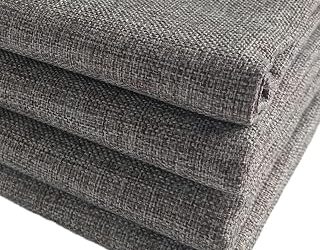
This faux linen cloth delivers a surprisingly dense hand-feel for its price point, and the grey-blue tone lands in a versatile middle ground between cool modern and relaxed coastal. Two yards cover a standard set of four side chairs, and the fabric holds a staple gun cleanly without fraying at the edges.
Faux Linen Needlework Fabric
At 3.3 yards and 57 inches wide, this option gives you generous material for larger projects or a full dining set with room for mistakes. The needlework texture adds visual depth that flatweave alternatives lack, making plain chairs look considerably more expensive than they are.
LaSilk Premium Upholstery Fabric
LaSilk’s navy blue faux linen sits at the heavier end of the weight spectrum, which matters for dining chairs pulled in and out dozens of times a week. The thickened construction resists the kind of seat compression that makes thinner fabrics sag or bubble at the corners.
Wento Thick Faux Leather Fabric
For households where cleanability trumps everything, this PU leather is the most practical choice on the list — spills bead up instead of soaking in, and a single wipe restores the surface. The soft grain texture avoids the cheap, plasticky look that budget faux leathers often carry.
Damask Jacquard Upholstery Fabric
The jacquard weave sets this apart: the sand-toned pattern is woven into the fabric rather than printed, so it won’t fade or wear off with heavy daily use. It brings a formal, almost restaurant-quality presence to a dining room without requiring dry-clean-only maintenance.
Frequently Asked Questions
How many yards of fabric do I need for four dining chairs?
Most dining chairs require roughly one yard per chair for full seat and back coverage, but measuring your specific frames first is critical. A safe estimate is three to four yards total for a standard set of four, plus an extra half yard for pattern matching or cuts that run against the grain.
Is faux linen durable enough for everyday dining use?
Faux linen upholstery fabrics — especially thicker needlework-style constructions — hold up well for residential dining chairs. They won’t match commercial vinyl for raw toughness, but they resist pilling and maintain structure through years of regular household use without showing significant wear.
Can I use faux leather on upholstered dining chairs?
Faux leather works exceptionally well on dining chairs because it combines stain resistance with a polished appearance. PU-based fabrics like the Wento option stay flexible enough to staple cleanly around curved seat frames and clean up with minimal effort after everyday meals.
What makes upholstery fabric different from regular sewing fabric?
Upholstery fabric is woven at a heavier weight and tighter density than standard garment or craft fabric. Using regular cotton or light polyester on furniture results in premature stretching, visible thinning at stress points, and a seat that looks worn out within months — always confirm that the listing specifies upholstery-grade use.
Final Thoughts
For most dining room projects, the TinaKim Thick Upholstery Fabric offers the best balance of price, coverage, and durability. If stain resistance is your top priority, the Wento Faux Leather is hard to beat for everyday family life. And for a more refined, patterned finish, the Damask Jacquard brings an elevated look that punches well above its price point.