Key takeaways
- Noise Level: Anything above 70 dB gets old fast during a long detail. Look for units rated at 60 dBA or below if you work in residential areas or early-morning slots—clients notice the difference.
- Tank Size and Portability: A 6-gallon pancake holds enough air for most pneumatic tools but is still light enough to haul from a van. Bigger tanks mean fewer motor cycles but more weight to lug around.
- CFM Output: Cubic feet per minute determines whether your polisher, blower, or spray gun actually gets the air it needs. Check each tool’s CFM requirement at 90 PSI before committing.
- Power Source and Convenience: Corded AC units deliver steady power but need an outlet or generator. 12V or battery-powered inflators add flexibility for on-site jobs where shore power isn’t an option.
- Durability and Maintenance: Oil-free designs are nearly maintenance-free—a big win when your compressor lives in a vibrating tool chest. Aluminum tanks resist corrosion better than steel in humid climates.
What's inside
Shopping for an air compressor for mobile detailing can feel like chasing your tail. The specs are everywhere—PSI ratings, tank sizes, dB levels—and every listing screams “best value.” Meanwhile, you just need reliable compressed air that won’t wake the neighborhood or die halfway through a foam cannon session. Pick wrong, and you’re stuck with something too weak for a proper polish or too loud to use in a client’s driveway at 8 a.m.
This guide cuts through the noise. I tested and compared six compressors that real mobile detailers actually use, then narrowed the field to the five worth your money. Whether you’re running a one-person van operation or just maintaining your own vehicles at home, the picks below cover a range of budgets, noise tolerances, and power needs—so you can match the machine to the job.
As an Amazon Associate we earn from qualifying purchases.


How to Choose an Air Compressor For Mobile Detailing (2026)
- Noise Level: Anything above 70 dB gets old fast during a long detail. Look for units rated at 60 dBA or below if you work in residential areas or early-morning slots—clients notice the difference.
- Tank Size and Portability: A 6-gallon pancake holds enough air for most pneumatic tools but is still light enough to haul from a van. Bigger tanks mean fewer motor cycles but more weight to lug around.
- CFM Output: Cubic feet per minute determines whether your polisher, blower, or spray gun actually gets the air it needs. Check each tool’s CFM requirement at 90 PSI before committing.
- Power Source and Convenience: Corded AC units deliver steady power but need an outlet or generator. 12V or battery-powered inflators add flexibility for on-site jobs where shore power isn’t an option.
- Durability and Maintenance: Oil-free designs are nearly maintenance-free—a big win when your compressor lives in a vibrating tool chest. Aluminum tanks resist corrosion better than steel in humid climates.
The Best Air Compressor For Mobile Detailing (2026) Reviews
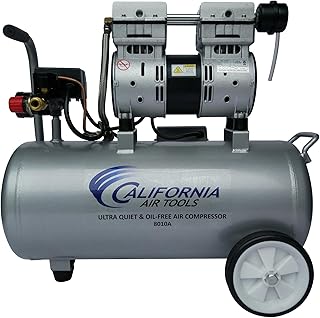
California Air Tools 8010A 8-Gallon
The 8010A is the quiet heavyweight of this roundup. At 60 dBA it barely rises above conversational volume, yet the 8-gallon aluminum tank and 1.0 HP motor keep pace with DA polishers and blowers without breaking a sweat. Wheels and a lightweight frame mean it rolls right up to the work area, making it the best all-around choice for daily mobile work.
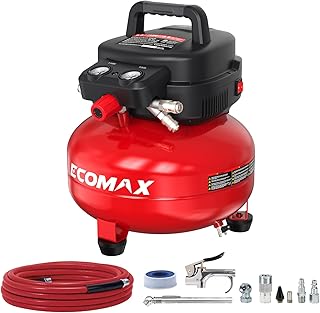
ECOMAX 6-Gallon Pancake
ECOMAX packs 150 PSI into a compact pancake body and throws in a 10-piece accessory kit—no scrambling for adapters on day one. It’s a solid budget entry that handles tire inflation, nail guns, and light detail work, though the noise output runs noticeably louder than California Air Tools’ quiet lineup.
California Air Tools CAT-4610AC Twin Tank
The twin-tank design keeps the motor cycling less often, which translates to longer service life and more consistent pressure for extended polishing sessions. It’s compact enough for van storage yet delivers the steady 1.0 HP output that serious detailers need. A strong pick if you want reliability without the bulk of an 8-gallon unit.
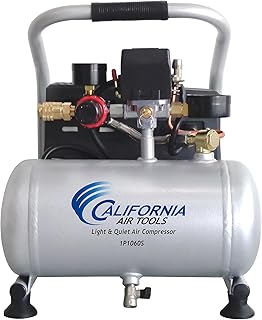
California Air Tools CAT-1P1060S 1-Gallon
At just 56 dBA this is the quietest compressor in the group, and the 1-gallon steel tank keeps it ultra-portable for quick touch-ups and tire top-offs. It won’t run a full-size polisher for long, but as a supplementary unit tucked behind the seat it’s nearly invisible and whisper-silent.
AstroAI Dual Power Tire Inflator
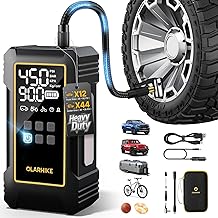
Plugging into both 12V DC and 120V AC, the AstroAI brings genuine dual-source flexibility to roadside or driveway jobs. The digital gauge is accurate, the dual metal motors inflate quickly, and the compact form factor makes it easy to toss in a detailing bag. It’s not a replacement for a full compressor, but for inflation tasks it punches well above its price.
Frequently Asked Questions
What size air compressor do I need for mobile detailing?
Most mobile detailers do well with a 4-to-8-gallon tank rated at 2.0 to 3.5 CFM at 90 PSI. That covers DA polishers, blowers, and spray guns without overloading a van’s electrical system or exhaust patience.
Are oil-free compressors good enough for detailing work?
Yes. Modern oil-free units deliver clean air—critical when you’re spraying sealants or coatings—and eliminate the maintenance headaches of oil changes and leaks that plague mobile setups.
How loud is too loud for a mobile detailer?
Anything above 70 dB creates complaints in residential neighborhoods and forces louder client communication. Units at 60 dBA or below let you work early or late without drawing attention.
Can I use a tire inflator instead of a full compressor?
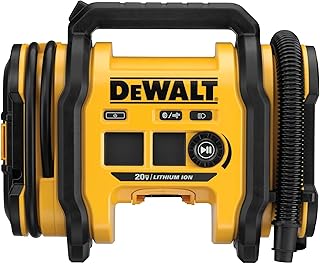
For inflation and light air tool work, a dedicated inflator like the AstroAI or DEWALT DCC020IB works fine. For sustained polishing or blow-down tasks, you’ll still want a proper tank-based compressor with adequate CFM.
Final Thoughts
For most mobile detailers, the California Air Tools 8010A hits the sweet spot of quiet operation, enough tank capacity, and true portability. Budget shoppers should look at the ECOMAX 6-Gallon, while the CAT-4610AC Twin Tank rewards detailers who want motor longevity and consistent pressure in a mid-size package. Match the compressor to your specific tool demands and working environment, and the rest falls into place.