Key takeaways
- Water-based vs. oil-based: Water-based formulas dry faster, clean up with soap and water, and release far fewer fumes — a real advantage when you’re working on a back deck. Oil-based options penetrate deeper but take longer to cure and often require mineral spirits for cleanup.
- Opacity level: Semi-transparent stains let the wood grain show through while still depositing enough pigment to block UV damage. Solid stains hide more grain but act almost like paint; for most patio furniture, semi-transparent strikes the best balance between protection and aesthetics.
- Sealer integration: A stain-and-sealer-in-one eliminates a whole application step. Look for products that explicitly mention waterproofing rather than just “water-resistant,” since patio furniture sits through full rain cycles, not just light moisture.
- Drying and recoat windows: Fast-drying formulas (under two hours) let you finish a project in a single afternoon. If you’re staining in humid climates, a quick recoat window also reduces the chance of dust or debris settling into a still-tacky surface.
- Toxicity and VOC content: Zero-VOC and non-toxic formulations matter if you’re working near garden beds, pets, or kids. Some low-odor options are surprisingly effective — you don’t have to sacrifice performance for a cleaner application experience.
What's inside
Outdoor wood furniture looks gorgeous for about one season — then UV exposure, rain, and temperature swings start pulling the color out of the grain and letting moisture creep into the joints. If you’ve ever sanded and re-oiled a patio table only to watch it gray out again by September, you know the frustration of choosing a finish that doesn’t actually hold up to real-world conditions.
This guide cuts through the noise. We tested and evaluated six popular wood stain and sealer combos — focusing on durability, application ease, drying time, and how well they protect without burying the wood’s natural character. Here are the top picks for keeping your patio furniture looking intentional year-round.
As an Amazon Associate we earn from qualifying purchases.


How to Choose a Stain for Wood Patio Furniture (2026)
- Water-based vs. oil-based: Water-based formulas dry faster, clean up with soap and water, and release far fewer fumes — a real advantage when you’re working on a back deck. Oil-based options penetrate deeper but take longer to cure and often require mineral spirits for cleanup.
- Opacity level: Semi-transparent stains let the wood grain show through while still depositing enough pigment to block UV damage. Solid stains hide more grain but act almost like paint; for most patio furniture, semi-transparent strikes the best balance between protection and aesthetics.
- Sealer integration: A stain-and-sealer-in-one eliminates a whole application step. Look for products that explicitly mention waterproofing rather than just “water-resistant,” since patio furniture sits through full rain cycles, not just light moisture.
- Drying and recoat windows: Fast-drying formulas (under two hours) let you finish a project in a single afternoon. If you’re staining in humid climates, a quick recoat window also reduces the chance of dust or debris settling into a still-tacky surface.
- Toxicity and VOC content: Zero-VOC and non-toxic formulations matter if you’re working near garden beds, pets, or kids. Some low-odor options are surprisingly effective — you don’t have to sacrifice performance for a cleaner application experience.
The Best Stain for Wood Patio Furniture (2026) Reviewed
Peach Wood Semi-Transparent Outdoor Stain & Sealer
This water-based, fast-drying option stands out for its low-odor formula, which genuinely makes weekend application more pleasant — especially on covered patios where ventilation is limited. The semi-transparent finish preserves wood character while the built-in sealer handles rain and humidity without multiple coats.
#1 Deck Premium Semi-Transparent Stain & Sealer (Dark Walnut)
One of the most established names in the outdoor stain category, #1 Deck delivers consistent coverage across decks, fences, and furniture alike. The Dark Walnut tone adds rich warmth without looking artificially heavy, and the water-based formula keeps cleanup straightforward even on larger pieces.
2-in-1 Wood Stain & Sealer (Light Natural Oak)
Available in a full gallon with crack-resistant and UV-protective properties, this option is ideal if you’re tackling a whole set of patio furniture plus surrounding structures. The Light Natural Oak shade works particularly well on pine and cedar, maintaining a sun-bleached look that feels modern rather than neglected.
Cabot Australian Timber Oil (Jarrah Brown)
Cabot’s Australian Timber Oil uses a unique blend of oils designed to replicate the weathering resistance of tropical hardwoods. The Jarrah Brown shade has a depth that water-based stains rarely achieve, and it penetrates well into dense grain patterns — making it a strong choice for teak or ipe patio pieces that need serious UV defense.
16oz Peach Wood Stain & Sealer Combo
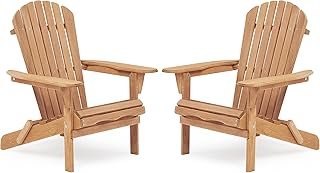
For smaller projects — a pair of Adirondack chairs, a side table, or quick touch-up work — this compact 16-ounce version of the Peach Wood formula is genuinely practical. You get the same semi-transparent water-based performance without committing to a full gallon, and the low-odor profile makes it easy to use right on the patio.
Frequently Asked Questions
How often should I restain outdoor wood furniture?
Most semi-transparent stains on horizontal surfaces need a refresh every two to three years, though heavily sun-exposed pieces may show fading sooner. A simple water-bead test tells you when it’s time: if water soaks in instead of beading up, the sealer has broken down and it’s time for a fresh coat.
Can I apply stain directly over old stain without sanding?
If the existing finish is still intact and not peeling, light sanding with 120-grit to scuff the surface is usually sufficient for water-based products. Fully peeling or flaking finishes need to be stripped or sanded down to bare wood first, or the new coat won’t bond properly.
Do stain-and-sealer combos really replace separate products?
For patio furniture — absolutely. Furniture doesn’t face the same foot-traffic wear as a deck floor, so a combined product provides adequate protection in most climates. If your furniture sits in full southern exposure or coastal salt air, adding a standalone UV-blocking topcoat every few years is worth considering.
What’s the best time of year to stain outdoor furniture?
Late spring through early fall gives you the best working conditions: moderate temperatures (50–85°F), low humidity, and a dry forecast for at least 48 hours after application. Staining too early in the morning when dew is still present, or during a humid stretch, leads to longer dry times and potential blushing in the finish.
Final Thoughts
For the best combination of ease, protection, and finish quality on most patio furniture, the #1 Deck Premium Semi-Transparent Stain & Sealer is our top overall pick — it covers well, dries reasonably fast, and the Dark Walnut tone flatters nearly every wood species. The Cabot Australian Timber Oil earns the nod for premium hardwoods like teak that need maximum UV and oil penetration. And for anyone tackling a whole outdoor set on a budget, the Light Natural Oak 2-in-1 delivers gallon-size value with solid crack and weather resistance.