Key takeaways
- Blade size: A 10-inch saw is generally easier to carry and store, while a 12-inch model offers greater capacity for substantial trim, framing, and furniture components.
- Bevel control: Single-bevel saws are suitable for straightforward work. Double-bevel models save time when making matching angled cuts on both sides of a project.
- Sliding function: A sliding compound saw can cut wider boards than a fixed-head design, making it especially useful for shelving, countertops, and larger molding.
- Workspace: Check the saw’s footprint, fence design, and dust-management setup before buying. A powerful tool is less enjoyable if it overwhelms your bench or makes cleanup difficult.
- Support and transport: A dedicated stand improves working height and material support. The DWX724 is a compact option, while the wheeled DWX726 is better for moving a heavier setup around a garage or workshop.
What's inside
Best Dewalt Miter Saw (2026) Buying the right miter saw can be harder than it looks: compact models are easier to store, while larger sliding and double-bevel saws handle wider boards and more demanding furniture projects. The wrong choice may mean limited cutting capacity, awkward adjustments, or a dust bag that fills before the job is done.
This guide compares Dewalt’s most useful options from a practical home-comfort perspective, focusing on cutting capacity, setup, portability, adjustment ease, and how well each model fits a workshop, garage, or occasional DIY space. We also include a rolling stand for buyers who need a more comfortable, stable workstation.
As an Amazon Associate we earn from qualifying purchases.



How to Choose a Dewalt Miter Saw (2026)
- Blade size: A 10-inch saw is generally easier to carry and store, while a 12-inch model offers greater capacity for substantial trim, framing, and furniture components.
- Bevel control: Single-bevel saws are suitable for straightforward work. Double-bevel models save time when making matching angled cuts on both sides of a project.
- Sliding function: A sliding compound saw can cut wider boards than a fixed-head design, making it especially useful for shelving, countertops, and larger molding.
- Workspace: Check the saw’s footprint, fence design, and dust-management setup before buying. A powerful tool is less enjoyable if it overwhelms your bench or makes cleanup difficult.
- Support and transport: A dedicated stand improves working height and material support. The DWX724 is a compact option, while the wheeled DWX726 is better for moving a heavier setup around a garage or workshop.
The Best Dewalt Miter Saws (2026) Reviewed
Dewalt DWS716 12-Inch Double-Bevel Compound Miter Saw
The DWS716 is a strong all-rounder for homeowners who want a generous 12-inch blade and the convenience of double-bevel cutting without stepping up to a sliding design. Its 15-amp motor is well suited to trim, dimensional lumber, and furniture-building tasks, though its fixed-head format is best for projects using moderate-width stock.
Dewalt DWS715 12-Inch Single-Bevel Compound Miter Saw
The DWS715 makes sense for buyers who value straightforward operation and broad cutting capacity over advanced bevel flexibility. It is a practical choice for baseboard, casing, framing repairs, and general workshop work, especially when most angled cuts are made in one direction.
Dewalt DWS713 10-Inch Single-Bevel Compound Miter Saw
The DWS713 is the easiest of the main saws here to accommodate in a smaller garage or utility room. Its 10-inch format keeps the tool relatively manageable while still providing useful capacity for trim, picture frames, small cabinets, and everyday home repairs.
Dewalt DWS780 12-Inch Sliding Compound Miter Saw
For serious furniture projects and wider boards, the DWS780 is the most capable saw in this group. Its double-bevel sliding design handles larger workpieces, while the XPS LED shadow-light system helps show the cut line clearly without relying on a laser; the trade-off is a larger, heavier tool that deserves a dedicated setup.
Dewalt DWX726 Rolling Miter Saw Stand
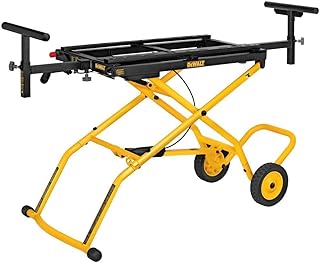
The DWX726 is a worthwhile companion for a heavier miter saw, particularly when the tool needs to move between storage and the work area. Its wheels, adjustable height, folding design, and extended material supports make long boards easier to manage and reduce the bending and balancing that can make cutting tiring.
Frequently Asked Questions
Is a 10-inch or 12-inch Dewalt miter saw better?
A 10-inch saw is usually the better fit for compact workshops and lighter projects. Choose a 12-inch model when you regularly cut wider or thicker stock and have enough room for the larger footprint.
Do I need a sliding miter saw for furniture projects?
Not always. A fixed-head saw can handle many legs, rails, trim pieces, and smaller panels, but a sliding model such as the DWS780 is more comfortable when your work involves wide shelving, deep boards, or broad molding.
What is the benefit of a double-bevel saw?
A double-bevel saw tilts in both directions, so you can make opposing angled cuts without repeatedly flipping the workpiece. That convenience is particularly helpful for decorative trim and projects with mirrored components.
Which Dewalt stand should I choose?
The wheeled DWX726 is best when mobility and long material support matter. The compact DWX724 is a sensible alternative for smaller spaces and can support substantial loads while taking up less room when stored.
Final Thoughts
The DWS716 is the best balanced choice for many home workshops, while the compact DWS713 suits occasional DIY use and limited storage. If you routinely work with wide stock, choose the DWS780; pairing it with the rolling DWX726 can make a powerful setup considerably more comfortable to use.