Key takeaways
- Arch Support: Standing puts continuous load on the plantar fascia. Look for a contoured or removable insole that cradles your arch rather than a flat, squishy insert that collapses after an hour.
- Cushioning Depth: Memory foam or air-cushioned midsoles absorb the micro-impacts of shifting weight. Too little cushion and you feel every hard surface; too much and your foot instability increases. Aim for a balanced, responsive layer.
- Slip-On Design: When your desk is in a shared space, the ability to kick shoes on and off quickly matters. Elastic or stretch-knit uppers score high for everyday practicality over traditional lace-up models.
- Breathability: Feet swell during long standing sessions and trap heat in enclosed shoes. Mesh or knit uppers with ventilation channels keep moisture down and prevent the sluggish discomfort that comes with overheated feet.
- Sole Grip and Floor Type: A non-slip rubber outsole protects you on hardwood or tile, which is especially important in a home-office setup where you’re moving between your desk, kitchen, and other hard surfaces throughout the day.
What's inside
Anyone who spends six or more hours a day at a standing desk knows the slow, grinding toll it takes on feet, knees, and lower back. Anti-fatigue mats help, but they address only part of the equation—the footwear you choose while standing is arguably the bigger variable. Yet most “best shoes for standing all day” roundups recycle the same clinical-sounding advice without actually testing anything at a desk. That leaves remote workers guessing.
This guide narrows the focus specifically to standing-desk scenarios: home-office floors, hardwood, tile, and the occasional thin carpet. We evaluated arch support, cushioning depth, slip-on convenience, breathability, and long-session comfort across six products that have gained real traction among standing-desk users heading into 2026.
As an Amazon Associate we earn from qualifying purchases.




How to Choose Standing Desk Shoes in 2026
- Arch Support: Standing puts continuous load on the plantar fascia. Look for a contoured or removable insole that cradles your arch rather than a flat, squishy insert that collapses after an hour.
- Cushioning Depth: Memory foam or air-cushioned midsoles absorb the micro-impacts of shifting weight. Too little cushion and you feel every hard surface; too much and your foot instability increases. Aim for a balanced, responsive layer.
- Slip-On Design: When your desk is in a shared space, the ability to kick shoes on and off quickly matters. Elastic or stretch-knit uppers score high for everyday practicality over traditional lace-up models.
- Breathability: Feet swell during long standing sessions and trap heat in enclosed shoes. Mesh or knit uppers with ventilation channels keep moisture down and prevent the sluggish discomfort that comes with overheated feet.
- Sole Grip and Floor Type: A non-slip rubber outsole protects you on hardwood or tile, which is especially important in a home-office setup where you’re moving between your desk, kitchen, and other hard surfaces throughout the day.
The Best Standing Desk Shoes (2026) Reviewed
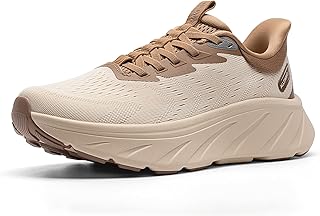
STQ Slip-On Arch Support Loafers
These loafers hit the sweet spot between casual and supportive for standing-desk use. The built-in arch structure holds up through eight-hour shifts without flattening, and the lightweight profile means your feet aren’t fighting unnecessary bulk. A solid pick if you want something that looks presentable on video calls while still functioning as serious standing footwear.
ALLSWIFIT Slip-On Support Sneakers (StediBase)
ALLSWIFIT’s StediBase line was designed specifically for people who stand all day, and it shows. The cushioned footbed distributes pressure evenly, and the hands-free slip-on design is genuinely convenient—you slide in and go. Breathable mesh keeps feet cool during marathon work sessions, making these a top-tier choice for home-office standing desks.
Skechers Uno – Stand On Air
Skechers’ Air-Cooled Memory Foam insole paired with the visible Skech-Air cushioning gives this sneaker a plush, almost bouncy feel underfoot. The wedge fit with a hidden one-inch heel subtly shifts your weight forward, which many standing-desk users find relieves posterior chain fatigue. The tradeoff is that the lace-up design adds a step to your routine, but the comfort payoff is worth it.
STQ Walking Shoes Slip-On Work Sneakers
Different from the STQ loafers above, these slip-on sneakers lean harder into all-day wearability. The sock-style upper hugs the foot without pressure points, and the lightweight breathable mesh excels on warmer days. Arch support and cushioning are both solid for the price, and the versatility makes them equally at home jogging errands between work sessions.
HKR Women’s Walking Shoes Slip-On Sneakers
HKR delivers dependable basics: a breathable mesh upper, reasonable arch support, and a non-slip rubber outsole that grips hardwood confidently. The cushioned insole is comfortable for moderate standing periods, and the slip-on construction keeps things effortless. If your standing sessions tend to run four to six hours rather than eight-plus, these punch well above their price point.
Frequently Asked Questions
Can I use regular sneakers at a standing desk?
You can, but most standard sneakers prioritize forward-motion cushioning rather than the static-load absorption your feet need while standing in place. Dedicated standing-desk shoes or well-cushioned slip-ons with strong arch support will noticeably reduce end-of-day foot and back pain compared to worn-out running shoes or flat fashion sneakers.
Do I still need an anti-fatigue mat with good standing shoes?
A quality mat and good footwear complement each other rather than replace each other. The mat cushions the micro-movements of shifting weight, while the shoe supports your arch and absorbs impact. Together they provide noticeably more comfort than either one alone, especially on hard floors.
What about the Everlasting Comfort Foot Rest for under the desk?
That’s a different category entirely—an under-desk foot elevation pillow rather than a shoe. It pairs well with standing desk footwear by giving you a way to alternate foot positions and reduce lower-back strain during seated breaks, but it doesn’t replace the need for proper supportive shoes during standing periods.
How often should I replace my standing desk shoes?
Most supportive shoes lose meaningful cushioning and arch integrity after roughly six to twelve months of daily eight-hour use. If your feet or lower back start hurting earlier in the day than they used to, that’s a reliable signal the midsole has compressed and it’s time for a fresh pair.
Final Thoughts
For most standing-desk users, the ALLSWIFIT StediBase Sneakers offer the best overall combination of purpose-built support and everyday convenience. The Skechers Uno Stand On Air is the premium comfort pick if you want maximum cushioning and don’t mind laces. And for budget-conscious shoppers or shorter standing sessions, the HKR Slip-On Sneakers deliver honest value without cutting corners on the basics.