Key takeaways
- Roof material matters more than frame material. A galvanized steel or polycarbonate hardtop will outlast soft-top fabric by years, especially in hail-prone or heavy-snow regions. If your climate is mild and you prioritize airflow, a slatted cedar trellis roof can be the right call instead.
- Measure for the actual footprint, not the listing dimensions. A “10×12” gazebo doesn’t account for post width or anchoring space. Plan for at least six to eight extra inches on each side, and confirm you have level ground or a deck surface that can support the anchoring system.
- Decide between permanent and portable before browsing. Bolt-down hardtop gazebos like the Purple Leaf or Gunji wooden model are built to stay — they need a concrete pad or deck framing. Pop-up canopy tents like the Cobizi are ideal for renters, campers, or anyone who wants shade without a building permit.
- Check wind and snow ratings honestly. Many budget gazebos list “wind resistant” without a specific rating. Look for explicit snow-load figures (measured in pounds per square foot) and wind-resistance claims backed by engineering tests, not just marketing copy.
- Factor in netting and curtain systems. Zippered mosquito netting turns a seasonal structure into a true three-season room. Verify whether netting is included, how it attaches, and whether the curtains provide genuine privacy or are just decorative panels.
What's inside
Shopping for a gazebo kit can feel like navigating a maze of specs you weren’t expecting to learn. One listing brags about snow-load capacity in pounds; another leads with its UPF rating. Meanwhile, you just want a shaded spot where the weekend actually feels like one. The mismatch between what’s marketed and what matters for your backyard is the core problem — and it leads to a lot of expensive regret sitting under a sagging canopy next summer.
This guide cuts through the noise. I spent time comparing hardtop pavilions, cedar pergolas, steel-framed canopies, and pop-up options across six popular gazebo kits available right now. Below you’ll find hands-on-style reviews, a straightforward buying guide, and answers to the questions that actually come up when you’re choosing between permanent and portable structures.
As an Amazon Associate we earn from qualifying purchases.


How to Choose a Gazebo Kit in 2026
- Roof material matters more than frame material. A galvanized steel or polycarbonate hardtop will outlast soft-top fabric by years, especially in hail-prone or heavy-snow regions. If your climate is mild and you prioritize airflow, a slatted cedar trellis roof can be the right call instead.
- Measure for the actual footprint, not the listing dimensions. A “10×12” gazebo doesn’t account for post width or anchoring space. Plan for at least six to eight extra inches on each side, and confirm you have level ground or a deck surface that can support the anchoring system.
- Decide between permanent and portable before browsing. Bolt-down hardtop gazebos like the Purple Leaf or Gunji wooden model are built to stay — they need a concrete pad or deck framing. Pop-up canopy tents like the Cobizi are ideal for renters, campers, or anyone who wants shade without a building permit.
- Check wind and snow ratings honestly. Many budget gazebos list “wind resistant” without a specific rating. Look for explicit snow-load figures (measured in pounds per square foot) and wind-resistance claims backed by engineering tests, not just marketing copy.
- Factor in netting and curtain systems. Zippered mosquito netting turns a seasonal structure into a true three-season room. Verify whether netting is included, how it attaches, and whether the curtains provide genuine privacy or are just decorative panels.
The Best Gazebo Kit Reviews
PURPLE LEAF Hardtop Gazebo 10×12
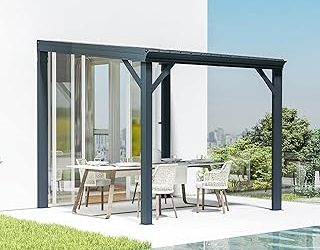
The Purple Leaf is the gazebo I’d point someone toward if they only want to make this decision once. Its powder-coated aluminum frame carries a 1,800-pound snow-load rating — genuinely impressive for a residential pavilion — and the 3.9-inch posts feel substantial rather than decorative. Included curtains and netting panels round out a package that’s ready for year-round use without aftermarket add-ons.
GUNJI 10×12 Wooden Gazebo
If you want a gazebo that looks like it grew out of the yard, the Gunji wooden pavilion delivers. The galvanized steel double roof handles rain and snow while the natural wood posts and framing age gracefully with minimal maintenance. It’s a true DIY kit, so budget a full weekend for assembly, but the finished result has the permanent-pavilion presence that steel-framed kits struggle to match.
AMERLIFE 10×20 Spruce Wood Grill Gazebo
This is the griller’s gazebo, full stop. The extended 10×20 footprint gives you room for a full-size grill station plus a prep table without crowding. The sloped galvanized steel roof channels smoke away naturally, and the spruce construction handles heat exposure better than fabric-topped alternatives. It transforms a patio grill corner into an all-weather outdoor kitchen.
MASTERCANOPY 10×12 Heavy Duty Gazebo
For shoppers who want real protection without the hardtop price tag, the MasterCanopy hits a practical sweet spot. The rustproof steel frame supports a double-tiered roof rated UPF 50+, and four zippered netting walls are included rather than sold separately. Drain holes in the canopy prevent the pooling that ruins cheaper pop-ups after one storm season.
BlueWish 10×14 Cedar Pergola
The BlueWish isn’t trying to be a full enclosure — it’s an open-air cedar pergola with a slatted trellis roof that casts dappled shade while letting air flow freely. It works beautifully over a dining set or seating area, and the included stakes make deck or yard installation straightforward. If you want atmosphere more than weather protection, this is the kit to beat.
Frequently Asked Questions
Do I need a permit to install a gazebo kit?
It depends on your municipality and the structure’s size. Most permanent hardtop gazebos over 100 square feet require a building permit, especially if they’re bolted to a concrete foundation. Pop-up canopy tents generally don’t, but check local HOA rules — they often have their own requirements regardless of city code.
How long do hardtop gazebo kits typically last?
A well-maintained hardtop gazebo with a galvanized steel or aluminum roof should last 10 to 15 years. Wooden frames like the Gunji or Amerlife models can last even longer with annual sealing or staining, while powder-coated steel frames resist rust for roughly a decade before touch-ups become necessary.
Can I assemble a gazebo kit alone?
Most 10×12 gazebo kits technically require two people for safe assembly, though three is more realistic for hardtop models with heavy roof panels. Pop-up canopies like the Cobizi are genuinely one-person setups. I’d recommend having a helper for anything with a metal roof — those panels are awkward and heavy overhead.
What’s the difference between a gazebo and a pergola?
A gazebo has a solid or covered roof designed to block rain and direct sun. A pergola — like the BlueWish model — has an open slatted roof that provides partial shade while allowing air and light through. Gazebos suit all-weather use; pergolas excel at creating a defined outdoor room in mild climates.
Final Thoughts
For most homeowners, the PURPLE LEAF Hardtop Gazebo strikes the best balance of durability, included accessories, and four-season capability. If your priority is aesthetics and natural materials, the GUNJI Wooden Gazebo earns its spot with real craftsmanship you can see from across the yard. And for anyone whose primary project is leveling up their outdoor cooking setup, the AMERLIFE Grill Gazebo is purpose-built for exactly that job.