Key takeaways
- Climate: Check your hardiness zone and winter temperatures before buying. Tropical vines often need seasonal protection or indoor overwintering in cooler regions.
- Growth rate: Fast-growing vines provide coverage sooner, but they can require frequent pruning and stronger structural support.
- Sun exposure: Match the plant to the pergola’s light. Full-sun varieties usually flower best with at least six hours of direct light each day.
- Support needs: Confirm that the vine’s twining or clinging habit suits your pergola. Heavy mature growth may require reinforced beams and trellis wires.
- Maintenance: Consider watering, pruning, leaf drop, and cleanup. A low-maintenance vine is often the better choice for a frequently used seating area.
What's inside
A pergola can transform a patio into a cooler, more private retreat, but choosing the right climbing vine is less straightforward than it looks. Some plants grow aggressively and need sturdy support, while others offer flowers, fragrance, or seasonal color but may struggle in cold winters. Seed packets and live plants also vary widely in how quickly they establish.
This guide focuses on practical home comfort: shade, privacy, maintenance, fragrance, and how well each option suits a typical pergola. We’ll compare vigorous climbers with more manageable flowering vines, then cover the key buying questions before you choose.
As an Amazon Associate we earn from qualifying purchases.




How to Choose Climbing Vines for a Pergola (2026)
- Climate: Check your hardiness zone and winter temperatures before buying. Tropical vines often need seasonal protection or indoor overwintering in cooler regions.
- Growth rate: Fast-growing vines provide coverage sooner, but they can require frequent pruning and stronger structural support.
- Sun exposure: Match the plant to the pergola’s light. Full-sun varieties usually flower best with at least six hours of direct light each day.
- Support needs: Confirm that the vine’s twining or clinging habit suits your pergola. Heavy mature growth may require reinforced beams and trellis wires.
- Maintenance: Consider watering, pruning, leaf drop, and cleanup. A low-maintenance vine is often the better choice for a frequently used seating area.
The Best Climbing Vines for Pergola (2026) Reviewed
Boston Ivy Vine Seeds
Boston Ivy Vine Seeds are a strong choice when your priority is dense seasonal coverage and added privacy. This clinging vine can spread across walls, fences, and pergola posts without needing elaborate ties, while its foliage can develop attractive autumn color. It is best for gardeners prepared to guide and prune vigorous growth, especially near gutters, siding, or neighboring structures.
Thunbergia Grandiflora Blue Trumpet Vine
Thunbergia Grandiflora, also known as sky vine or Bengal clock vine, brings large blue trumpet flowers and rapid coverage to warm-climate pergolas. The pack of two live plants is useful for filling opposite sides of a structure, though this vigorous climber needs regular training and plenty of room. It is particularly appealing for homeowners who want a lush, tropical look rather than a restrained container plant.
Mixed Mandevilla Live Plants
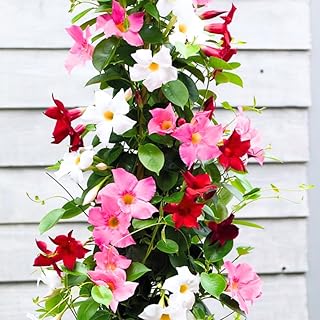
These mixed Mandevilla live plants are well suited to sunny decks, patios, and pergolas where long-lasting flowers matter more than heavy overhead coverage. Their colorful blooms create a polished entertaining space, and the plants can be grown in containers with trellises, making them easier to move or protect. They are warm-climate plants, so gardeners outside zones 9–11 should plan to overwinter them indoors or treat them as seasonal color.
Wisteria Floribunda Live Plants
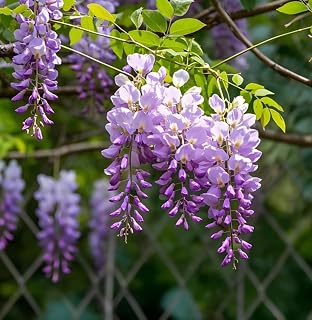
Wisteria is one of the most dramatic pergola vines, with cascading flowers and a mature, architectural presence. These Wisteria floribunda live plants can eventually create substantial shade, but their woody growth becomes heavy and demands a strong, well-built support system. Patient gardeners should also expect careful pruning and training to encourage flowering and keep the vine from overwhelming the structure.
Climbing Jasmine Seeds
Climbing Jasmine Seeds are a compelling option for anyone who values fragrance as much as appearance. The white flowers can make a pergola feel especially inviting near dining or seating areas, while evergreen growth in suitable climates helps maintain coverage beyond the flowering season. Seed-grown jasmine requires patience and consistent moisture during establishment, but it can reward careful gardeners with a softer, more sensory outdoor space.
Frequently Asked Questions
What is the fastest-growing vine for a pergola?
Thunbergia Grandiflora is among the quickest options in warm conditions, while Boston Ivy can also establish vigorous coverage once settled. Fast growth is helpful for privacy, but both types need regular guidance and pruning to stay within bounds.
Which pergola vine is best for shade?
Boston Ivy is a practical choice for creating leafy coverage and can tolerate conditions that are less intensely sunny than many flowering vines. However, light requirements vary by climate, so check the plant’s growing instructions before planting in deep shade.
Can I grow a climbing vine in a container?
Yes. Mandevilla is especially well suited to a large container paired with a trellis, and some jasmine varieties can also be managed this way. Use a heavy pot, provide reliable drainage, and expect to water container-grown vines more often than plants in the ground.
How strong should a pergola be for wisteria?
A wisteria-covered pergola should have sturdy posts, reinforced beams, and secure anchoring. Mature wisteria develops thick, woody stems and significant weight, so lightweight decorative structures may not be suitable without additional support.
Final Thoughts
For fast, leafy privacy, Boston Ivy Vine Seeds are a practical starting point. Choose Thunbergia Grandiflora for bold tropical flowers and rapid coverage, or Mandevilla for colorful container-friendly patio style. If you have a robust pergola and enjoy long-term training, Wisteria offers the most dramatic transformation, while climbing jasmine is the standout for fragrance.