Key takeaways
- Measure the mattress length, width, and depth before ordering, then check that your fitted sheet can stretch over the new total height.
- Give a boxed topper time to expand and air out before making a final comfort judgment.
- If your mattress is already very soft, choose a thinner or more supportive topper rather than adding another deep, plush layer.
- Rotate the topper occasionally if the manufacturer permits it, and use a washable protector to guard against sweat and spills.
What's inside
A memory foam mattress topper can be a practical way to refresh a tired bed without replacing the entire mattress. The right one can soften a firm sleep surface, reduce pressure around the shoulders and hips, or add a little more support when your existing mattress feels flat. The wrong thickness or density, however, may trap heat, shift during the night, or make it harder to move around.
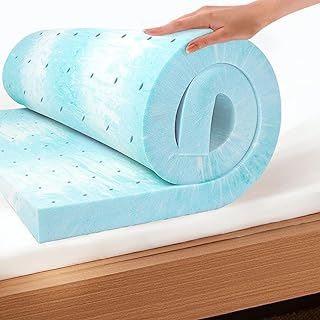
This guide explains how to choose a topper by thickness, feel, cooling design, fit, and construction. It also highlights useful options across several budgets and comfort preferences, including slim gel-foam layers for a modest upgrade and extra-thick pillow-top styles for a more dramatic change.
As an Amazon Associate we earn from qualifying purchases.


Choose the right thickness for your mattress
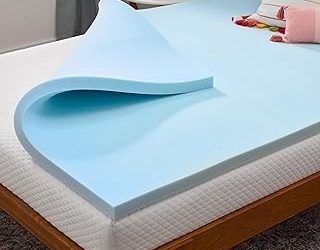
Thickness largely determines how much a topper changes the bed. A 2-inch model, such as the Linenspa 2 Inch Gel Memory Foam Topper, is a sensible choice when your mattress is generally comfortable but needs a softer surface or extra cushioning. It changes the feel without adding too much height, which can help preserve the support of the mattress underneath.
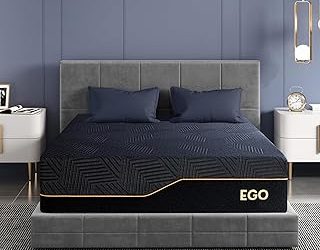
A 3-inch topper offers a more noticeable comfort adjustment. The EGO 3 Inch Queen Mattress Topper, Best Price Mattress 3 Inch Ventilated Topper, and SINWEEK 3 Inch Gel Memory Foam Topper sit in this versatile middle ground. They can be useful for pressure relief when the mattress is too firm, while still feeling less enveloping than an especially thick layer.
Five-inch designs, including the WhatsBedding 5 Inch Memory Foam Topper and SHOUREN 5 Inch Extra Thick Topper, create a substantial pillow-top effect. They may suit sleepers who want pronounced cushioning, but they also add considerable height and can make getting in and out of bed more difficult. They cannot reliably correct a mattress with broken coils, deep sagging, or inadequate underlying support.
Match the feel to your sleeping position
Side sleepers often benefit from enough cushioning to let the shoulder and hip sink slightly, helping reduce pressure at those contact points. A 3-inch topper is commonly a useful starting point, although body weight and mattress firmness matter. A very soft, thick topper may allow the spine to curve rather than remain level, so more cushioning is not automatically better.
Back sleepers usually need a balance between contouring and resistance. Medium-thickness foam can cushion the lower back without creating an overly deep hammock effect. Stomach sleepers generally need a flatter, firmer surface to reduce excessive sinking around the hips; a 2-inch topper or a comparatively supportive 3-inch model may be more appropriate than a plush 5-inch option.
Look for cooling features, but set realistic expectations
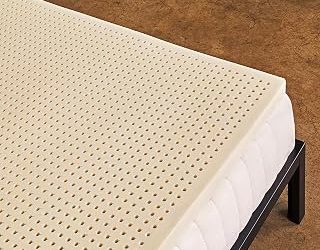
Traditional memory foam can feel warmer than springs because it surrounds the body and restricts airflow. Gel infusion and ventilated channels or perforations, found in products such as the EGO, Best Price Mattress, and SINWEEK toppers, may help disperse heat and improve air movement. These features can make a difference, but they do not turn foam into a naturally cool material.
Room temperature, bedding, body temperature, and the mattress beneath the topper all affect sleep comfort. Use breathable cotton or linen sheets rather than heavy synthetic layers if heat is a concern. A removable cover, where included, is also helpful because it can be washed more easily than the foam itself. Always check the care instructions before laundering a cover or applying moisture to the topper.
Check construction and stability
Foam density influences how a topper feels and how well it resists developing permanent impressions. Product listings do not always provide comparable density information, so consider the intended use as well as the specification sheet. A topper for occasional guest use can be chosen differently from one expected to support nightly use for several years.
Movement is another practical concern. Memory foam absorbs motion well, but the topper can still slide if the fitted sheet is too shallow or the surface is slick. Look for a cover with elasticated edges, corner straps, or a grippy underside where available. The SHOUREN topper, for example, includes four-way straps designed to help secure a thicker layer. Measure your mattress, including its depth, before buying so the fitted sheet can accommodate the combined height.
Consider setup, smell, and returns
Most boxed foam toppers need time to expand after unpacking. Place the topper flat in a well-ventilated room and allow it to reach its intended shape before judging its comfort. A temporary “new foam” odor is common, but ventilation can reduce it. If the smell remains strong or causes irritation, follow the manufacturer’s guidance and contact the seller rather than covering it immediately with bedding.
Comfort is subjective, so a clear trial or return policy is valuable. Confirm whether returns are accepted after opening, who pays return shipping, and whether the topper must be compressed again. Also check the stated certifications. CertiPUR-US or CertiPUR certification relates to specified foam emissions and materials standards; it is not a guarantee that every sleeper will find the topper comfortable or that it will last indefinitely.
Tips
- Measure the mattress length, width, and depth before ordering, then check that your fitted sheet can stretch over the new total height.
- Give a boxed topper time to expand and air out before making a final comfort judgment.
- If your mattress is already very soft, choose a thinner or more supportive topper rather than adding another deep, plush layer.
- Rotate the topper occasionally if the manufacturer permits it, and use a washable protector to guard against sweat and spills.
Frequently Asked Questions
How thick should a memory foam mattress topper be?
Two inches is suitable for a subtle softness adjustment, while three inches provides a more obvious change in pressure relief and contouring. Five inches is best reserved for shoppers who specifically want a deep pillow-top feel and have sheets, bed height, and mobility needs to match.
Are gel memory foam toppers genuinely cooler?
Gel and ventilation can improve heat management compared with an unventilated foam layer, but they cannot eliminate warmth entirely. Breathable bedding and a cool bedroom remain important, especially for hot sleepers.
Can a topper fix a sagging mattress?
It may disguise minor unevenness temporarily, but it cannot restore damaged springs or a deeply collapsed support core. If you can feel a pronounced dip without the topper, replacing the mattress is usually the more dependable long-term solution.
Which topper is best for back pain?
No single topper suits every back-pain sufferer. The best choice maintains a neutral spinal position while cushioning pressure points. Consider your sleeping position, the firmness of the current mattress, and medical advice if pain is persistent or severe.
Conclusion
The best memory foam mattress topper is the one that corrects a specific comfort problem without creating a new one. Start with thickness, then consider sleeping position, heat, stability, cover design, and return terms. For a moderate upgrade, the 2-inch Linenspa or one of the 3-inch gel-foam models offers a practical starting point; extra-thick WhatsBedding and SHOUREN options are better suited to shoppers seeking a pronounced, cushioned transformation.