Key takeaways
- Measure first: Check the hallway’s length and width, then leave a visible border of flooring along the edges for a more balanced look. Confirm that doors can open freely over the rug.
- Prioritize grip: A non-slip rubber or coated backing is useful on smooth flooring, but it should still be paired with a rug pad when the manufacturer recommends one.
- Choose a sensible pile: Low-pile runners are generally easier to vacuum and less likely to interfere with doors. They also tend to sit more neatly in narrow passageways.
- Match maintenance to traffic: Washable, stain-resistant materials are particularly helpful in entry halls, homes with pets, and households where outdoor shoes are worn indoors.
- Use pattern strategically: Vintage motifs, muted neutrals, and darker color mixes can disguise everyday dust and footprints better than a completely plain, pale surface.
What's inside
Finding the right hallway runner is less about picking a pretty pattern and more about solving several practical problems at once. A corridor rug needs to fit a narrow, often awkward space, stay put when people walk across it, tolerate tracked-in grit, and remain easy to clean. Too-thick rugs can catch beneath doors, while flimsy runners may curl, slide, or look undersized.
This Best Hallway Runner (2026) guide focuses on the details that matter in daily use: useful dimensions, low-profile construction, washable materials, grip, softness, and how well each style suits busy homes. The selection includes compact runners for short passages, longer designs for open layouts, and neutral or darker patterns that are forgiving between cleanings.
As an Amazon Associate we earn from qualifying purchases.



How to Choose a Hallway Runner (2026)
- Measure first: Check the hallway’s length and width, then leave a visible border of flooring along the edges for a more balanced look. Confirm that doors can open freely over the rug.
- Prioritize grip: A non-slip rubber or coated backing is useful on smooth flooring, but it should still be paired with a rug pad when the manufacturer recommends one.
- Choose a sensible pile: Low-pile runners are generally easier to vacuum and less likely to interfere with doors. They also tend to sit more neatly in narrow passageways.
- Match maintenance to traffic: Washable, stain-resistant materials are particularly helpful in entry halls, homes with pets, and households where outdoor shoes are worn indoors.
- Use pattern strategically: Vintage motifs, muted neutrals, and darker color mixes can disguise everyday dust and footprints better than a completely plain, pale surface.
The Best Hallway Runners (2026) Reviewed
Hallway Washable Runner Rug, 2’6" x 14′
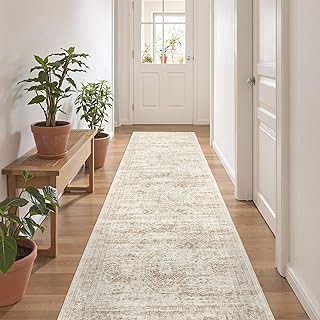
This long beige runner is a strong all-purpose choice for a straight hallway that needs generous coverage without a visually heavy design. Its soft farmhouse styling should blend easily with wood, tile, or laminate, while the washable construction is a practical advantage for entryways and family homes. The 2’6" width offers more coverage than many narrow runners, so measure carefully around door swings.
Neutral 2′ x 8′ Washable Runner Rug
A good fit for shorter hallways, apartment corridors, or spaces that connect a kitchen and entryway, this beige runner keeps the look calm and adaptable. Its thin profile should make it easier to place near doors, and the stain-resistant surface is reassuring for everyday spills. It is the most versatile size here for buyers who want a runner that can move between rooms if their layout changes.
Madane 3′ x 10′ Hallway Runner
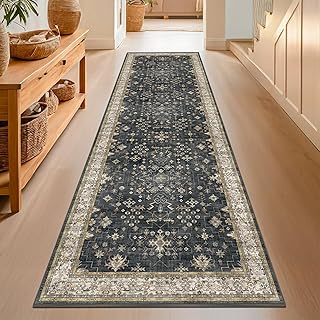
The Madane runner stands out when a hallway feels too broad for a standard two-foot-wide rug. Its beige-and-blue vintage pattern adds definition without becoming overly dominant, while the low pile should remain manageable beneath frequent foot traffic. This is a particularly appealing option for a foyer or wide passage where a smaller runner would look lost.
3′ x 20′ Long Hallway Runner
For an unusually long corridor, this cream-and-beige runner provides the coverage that shorter rugs cannot. The restrained palette keeps such a substantial length from overwhelming the space, and the low-pile, washable design is suited to a high-use route through the home. Because a 20-foot rug is difficult to reposition once laid down, map the area carefully and consider whether a rug pad or additional grip is needed.
Ashen/Multi Dark Washable Runner, 2’6" x 8′
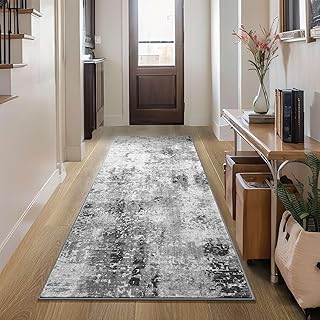
This darker boho-vintage design is a sensible choice for busy entrances where pale rugs show every mark. The mixed ash tones should conceal light dirt between cleanings better than a solid cream runner, while the rubber backing is intended to help limit movement on hard floors. Its 8-foot length works well in compact hallways, beside a kitchen run, or in front of a row of closets.
Frequently Asked Questions
What size runner works best in a hallway?
Most hallways suit a runner that leaves a few inches of visible flooring at each side and at both ends. Measure the usable floor rather than the entire corridor, especially if doors, vents, stairs, or trim reduce the available space.
Should a hallway runner have a rug pad?
Often, yes. A pad can improve cushioning, reduce shifting, protect the floor, and help the rug lie flatter. Even runners advertised as non-slip may benefit from one on polished wood, vinyl, or tile, provided the pad is compatible with that flooring.
Are washable runners a good idea for hallways?
They are usually a practical choice because hallways collect grit and spills. Before buying, check the washing instructions, machine capacity requirements, drying guidance, and whether the backing can tolerate repeated cleaning.
What color is easiest to maintain?
Mid-tone neutrals, muted patterns, and mixed-color vintage designs are generally forgiving. Very pale rugs can look crisp and spacious, but they tend to reveal footprints quickly; very dark rugs may show lint and pet hair.
Final Thoughts
The Hallway Washable Runner Rug, 2’6" x 14′, is the best balanced pick for a standard long corridor, while the neutral 2′ x 8′ runner is the easiest recommendation for smaller or flexible spaces. Choose the Madane 3′ x 10′ when you need extra width, or the ashen/multi runner when hiding everyday hallway marks is a priority.