Key takeaways
- Materials: Look for clearly identified fibers or foams, such as cotton, wool, or natural latex, and be cautious when a listing only says “eco-friendly” without explaining the construction.
- Certifications: Independent certifications can add useful context. GOLS is especially relevant for organic latex, while textile certifications may address harmful substances or responsible processing.
- Heat control: Wool, cotton, and ventilated latex generally offer better moisture management than dense memory foam, though your sheets, room temperature, and sleep position also affect comfort.
- Fit: Measure both your mattress and topper. Deep-pocket skirts help keep a pad in place, but an overly loose fit can still bunch under the sheets.
- Care and longevity: Removable, washable covers are convenient, while latex and wool usually require spot cleaning or careful airing. A topper is not a substitute for a mattress that has lost structural support.
What's inside
A mattress topper can make an uncomfortable bed feel softer, cooler, and more supportive, but “non-toxic” is not a tightly regulated product category. Buyers still need to sort through vague material claims, chemical finishes, synthetic fills, and confusing certifications while considering practical issues such as heat retention, thickness, movement, and fit.
This guide focuses on the details that matter in everyday use: fiber and foam composition, breathability, pocket depth, washable covers, durability, and meaningful certifications. The selection includes natural latex, wool, cotton, and bamboo-derived rayon options, so you can match the topper to your comfort preferences rather than relying on marketing language alone.
As an Amazon Associate we earn from qualifying purchases.


How to Choose a Non Toxic Mattress Topper (2026)
- Materials: Look for clearly identified fibers or foams, such as cotton, wool, or natural latex, and be cautious when a listing only says “eco-friendly” without explaining the construction.
- Certifications: Independent certifications can add useful context. GOLS is especially relevant for organic latex, while textile certifications may address harmful substances or responsible processing.
- Heat control: Wool, cotton, and ventilated latex generally offer better moisture management than dense memory foam, though your sheets, room temperature, and sleep position also affect comfort.
- Fit: Measure both your mattress and topper. Deep-pocket skirts help keep a pad in place, but an overly loose fit can still bunch under the sheets.
- Care and longevity: Removable, washable covers are convenient, while latex and wool usually require spot cleaning or careful airing. A topper is not a substitute for a mattress that has lost structural support.
The Best Non Toxic Mattress Toppers (2026)s Reviewed
Pure Green Natural Latex Topper
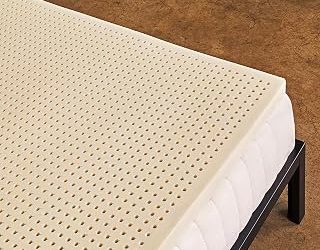
This two-inch soft latex topper is the strongest choice here for shoppers who want responsive cushioning without the slow, sinking feel of memory foam. Its GOLS-certified organic latex construction offers useful pressure relief and airflow, although latex has a noticeable buoyant feel and should be protected from direct sunlight and excessive heat.
Organic Merino Wool Mattress Topper
With a substantial 1650 GSM fill, this handmade Merino wool topper is aimed at sleepers who want plushness and natural temperature regulation. Wool can feel comfortably insulating in winter while managing moisture in warmer weather, but it is less suited to anyone seeking a firm, contouring surface and requires more careful cleaning than a machine-washable cotton pad.
BEDLORE Viscose Bamboo Mattress Topper
The BEDLORE topper uses a thick pillow-top design and stretchable pockets intended for mattresses from six to 18 inches deep. Its bamboo-derived viscose surface should feel smooth and breathable, making it a practical softening layer for hot sleepers, though viscose is a processed rayon fiber rather than raw bamboo and should not be confused with an all-natural textile.
Niagara Sleep Solution Bamboo Cooling Topper
This full-size pillow-top pad combines a rayon-derived-from-bamboo cover with a generous 20-inch pocket, giving it a useful range for taller mattresses and layered bedding. It is a sensible pick when softness and cooling are priorities, but shoppers should verify the exact fill and laundering instructions if minimizing synthetic materials is their main goal.
Extra-Thick Cotton Pillow Top Mattress Pad
This cotton option is appealing for sleepers who prefer a familiar, breathable textile and a generously cushioned surface. Cotton is easy to understand and generally comfortable against the skin, but an extra-thick pad will change the feel of the mattress more than a slim protector and may compress over time.
Frequently Asked Questions
What is the safest material for a mattress topper?
No single material is best for everyone, but natural latex, wool, and cotton are straightforward choices when their contents and certifications are clearly disclosed. Always check the full product description, cover treatment, adhesives, and care instructions rather than judging by the word “natural” alone.
Are bamboo mattress toppers non-toxic?
Bamboo-derived rayon or viscose begins with bamboo cellulose but is produced through chemical processing. That does not automatically make it unsafe, yet it is different from an untreated natural fiber, so buyers should look for transparent manufacturing information and relevant textile certifications.
How thick should a mattress topper be?
Two inches can add noticeable pressure relief while preserving more of the mattress’s original support. Thicker pillow-top designs create a softer, more dramatic change and may be preferable for a very firm bed, but they can also make fitted-sheet sizing more difficult.
Can a mattress topper fix back pain?
A topper may reduce pressure at the shoulders and hips or make a firm surface more comfortable, but it cannot correct a sagging or unsupportive mattress. Side sleepers often prefer softer cushioning, while back and stomach sleepers typically need enough resilience to prevent the midsection from sinking too far.
Final Thoughts
For the clearest material credentials and responsive support, the Pure Green Natural Latex Topper is the standout. The Organic Merino Wool Topper is a strong choice for breathable, natural cushioning, while the BEDLORE Bamboo Topper offers an accessible soft, deep-pocket design for hot sleepers who are comfortable with bamboo-derived viscose.