Key takeaways
- Wind rating: Look for a stated wind-resistance figure, but treat it as a controlled-test reference rather than a promise for exposed yards, coastal locations, or sudden gusts. Close and secure the umbrella whenever conditions worsen.
- Canopy design: Vented or tiered canopies allow some air to escape instead of trapping it underneath. Water resistance and UV protection are also important for everyday durability, though neither replaces proper storage.
- Frame and ribs: Aluminum frames resist rust and keep weight manageable, while sturdy ribs help the canopy maintain its shape. More ribs do not automatically mean better performance; joints and overall construction matter just as much.
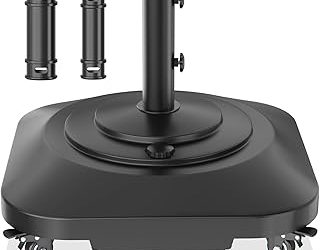
- Base compatibility: A strong umbrella still needs a properly weighted base. Cantilever models generally require especially substantial support, and table umbrellas should be secured through the table and base rather than relying on the tabletop alone.
- Daily operation: A crank, push-button tilt, and smooth rotation can make an umbrella much more pleasant to use. Check the clearance around the pole and canopy before choosing a model for a narrow deck or crowded dining area.
What's inside
A patio umbrella can look substantial in a product photo yet wobble, invert, or twist as soon as the breeze picks up. The most frustrating failures usually come from an undersized base, a flexible pole, a canopy that catches gusts like a sail, or an umbrella that is simply left open in weather it was never designed to handle. “Windproof” is useful shorthand, but it is not a guarantee that any umbrella is safe in every storm.
This guide focuses on practical outdoor comfort: frame design, canopy ventilation, ease of adjustment, coverage, and the base requirements that are easy to overlook. We have included both conventional table umbrellas and offset cantilever models, so you can match the design to a dining table, poolside seating area, or open section of patio.
As an Amazon Associate we earn from qualifying purchases.


How to Choose a High Wind Patio Umbrella (2026)
- Wind rating: Look for a stated wind-resistance figure, but treat it as a controlled-test reference rather than a promise for exposed yards, coastal locations, or sudden gusts. Close and secure the umbrella whenever conditions worsen.
- Canopy design: Vented or tiered canopies allow some air to escape instead of trapping it underneath. Water resistance and UV protection are also important for everyday durability, though neither replaces proper storage.
- Frame and ribs: Aluminum frames resist rust and keep weight manageable, while sturdy ribs help the canopy maintain its shape. More ribs do not automatically mean better performance; joints and overall construction matter just as much.
- Base compatibility: A strong umbrella still needs a properly weighted base. Cantilever models generally require especially substantial support, and table umbrellas should be secured through the table and base rather than relying on the tabletop alone.
- Daily operation: A crank, push-button tilt, and smooth rotation can make an umbrella much more pleasant to use. Check the clearance around the pole and canopy before choosing a model for a narrow deck or crowded dining area.
The Best High Wind Patio Umbrellas (2026) Reviewed
PURPLE LEAF 10-Foot Square Cantilever Umbrella
The PURPLE LEAF cantilever stands out for homeowners who want broad, furniture-friendly shade without a center pole interrupting the seating area. Its double-top canopy and stated 35-mph wind-resistant frame suggest a more robust design than a basic market umbrella, while the 240GSM fade-resistant fabric and advertised 30-minute setup add useful everyday appeal. It still needs a correctly weighted base and should be closed before severe weather.
Aoxun 11-Foot Rotating Cantilever Umbrella
The Aoxun 11 FT cantilever umbrella is a practical choice when you need generous coverage beside a pool, deck, or lounge set. Its aluminum offset frame, 360-degree rotation, and large round canopy make it flexible throughout the day, although the wider reach also increases the importance of a heavy, stable base. This is the model to consider when positioning shade matters more than compact storage.
9-Foot Three-Tier Patio Umbrella
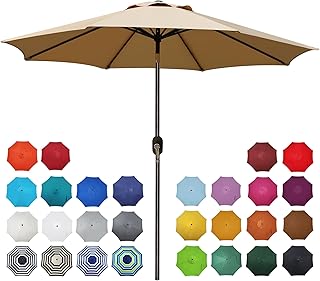
This 9ft 3-tier model offers a sensible balance of traditional table-umbrella convenience and improved airflow. The three-tier canopy, eight ribs, push-button tilt, and crank give it useful features for a dining table or poolside setup, while the navy canopy provides a straightforward, versatile look. As with any table umbrella, its real-world stability will depend heavily on the base and table combination.
10-Foot Three-Tier Market Umbrella
The 10FT three-tier patio umbrella is a good option for shoppers who want more coverage than a standard 9-foot canopy without moving to a cantilever frame. Its push-button tilt and crank should make angle changes simple, and the tiered design may help release trapped air above the canopy. The navy-blue finish is easy to coordinate with outdoor furniture, but measure your table and walking space before stepping up in size.
9-Foot Outdoor Patio Umbrella with Tilt and Crank
This conventional 9′ outdoor patio umbrella keeps the design uncomplicated: eight sturdy ribs, a push-button tilt, and a crank for opening. It is best suited to shoppers who want dependable shade over a patio table rather than a large freestanding offset structure. The compact footprint is easier to manage on smaller decks, but it should be lowered and stored whenever wind becomes more than a light breeze.
Frequently Asked Questions
What makes a patio umbrella suitable for high wind?
A wind-conscious umbrella typically combines a sturdy frame, reinforced ribs, a vented or tiered canopy, and a properly sized base. No residential patio umbrella should be left open in severe weather, regardless of marketing language or a published wind figure.
Is a cantilever umbrella better in windy conditions?
Not automatically. Cantilever umbrellas can provide excellent shade placement, but their offset weight and larger canopy create greater demands on the base. A well-secured traditional umbrella may be the safer choice for a particularly exposed location.
How heavy should the base be?
The answer depends on canopy size, frame style, and local exposure. Follow the manufacturer’s base guidance, and choose more support for cantilever models or open, gusty yards. Locking the umbrella into both its base and table, where applicable, improves stability.
Should I leave my patio umbrella open overnight?
It is better to close it whenever it is unattended, particularly overnight or when rain and wind are expected. Use a cover if recommended, and store the canopy during prolonged bad weather to reduce strain, fading, and moisture-related wear.
Final Thoughts
For broad, adjustable shade, the PURPLE LEAF 10-foot cantilever is the strongest all-around pick, while the Aoxun 11 FT is appealing when 360-degree positioning is a priority. For a dining table, the 9ft three-tier umbrella offers a practical middle ground, provided you pair it with a genuinely substantial base.