Key takeaways
- Weather protection: Look for an outdoor-rated or all-weather design if the refrigerator will face humidity, splashes, or changing temperatures. A covered location is still preferable.
- Capacity: Can counts are useful for drinks, while cubic feet provide a better idea of general storage. Choose based on what you actually keep cold rather than the headline number.
- Ventilation: Built-in models need the correct clearance around their vents. Poor airflow can increase energy use and shorten the appliance’s working life.
- Temperature range: Beverage coolers are designed for cans and bottles, not necessarily fresh food. Check the stated range and controls before using one as a general-purpose fridge.
- Door and shelving: Glass doors make it easy to see supplies, while solid doors offer better insulation and hide clutter. Adjustable shelves are valuable when bottle sizes vary.
What's inside
An outdoor mini fridge can make a patio, pool area, or covered entertaining space much more convenient—but choosing one is not as simple as picking the largest capacity. Weather exposure, ventilation, temperature stability, door design, and installation requirements all matter, especially when a refrigerator will live somewhere warmer and less protected than a kitchen.
This guide focuses on practical home comfort: how much usable drink storage each model offers, where it fits best, and which features are genuinely helpful day to day. We also distinguish between beverage coolers and more traditional refrigerators, since they are not interchangeable for every outdoor setup.
As an Amazon Associate we earn from qualifying purchases.



How to Choose an Outdoor Mini Fridge (2026)
- Weather protection: Look for an outdoor-rated or all-weather design if the refrigerator will face humidity, splashes, or changing temperatures. A covered location is still preferable.
- Capacity: Can counts are useful for drinks, while cubic feet provide a better idea of general storage. Choose based on what you actually keep cold rather than the headline number.
- Ventilation: Built-in models need the correct clearance around their vents. Poor airflow can increase energy use and shorten the appliance’s working life.
- Temperature range: Beverage coolers are designed for cans and bottles, not necessarily fresh food. Check the stated range and controls before using one as a general-purpose fridge.
- Door and shelving: Glass doors make it easy to see supplies, while solid doors offer better insulation and hide clutter. Adjustable shelves are valuable when bottle sizes vary.
The Best Outdoor Mini Fridges (2026) Reviewed
15-Inch Outdoor Beverage Refrigerator
This stainless-steel under-counter cooler is a strong fit for a finished patio bar or outdoor kitchen, with room for up to 127 cans and a French-door layout that makes drinks easy to organize. Its built-in or freestanding flexibility is useful, but installation should follow the manufacturer’s ventilation guidance, and a sheltered position is still the sensible choice.
Frigidaire 4.3 Cu. Ft. All-Weather Refrigerator
The Frigidaire stands out for shoppers who want more than a dedicated drink cooler. Its 4.3-cubic-foot capacity and IPX4-rated rugged design make it a practical option for an outdoor-adjacent entertaining area, garage, or covered porch, although its larger footprint needs careful measuring before purchase.
Antarctic Star 95-Can Beverage Refrigerator
This 2.4-cubic-foot model is a compact choice for keeping soda, beer, and wine within easy reach. The glass door and digital display suit a home bar or office, while the modest size makes it easier to place in a sheltered outdoor nook; it is best treated as a beverage refrigerator rather than a food-storage appliance.
EUHOMY 130-Can Beverage Refrigerator
With capacity for up to 130 cans, removable shelves, and digital temperature control, the EUHOMY offers flexible storage for households that regularly host guests. Its black glass-door finish has a clean bar-room look, but because it is not presented as a fully outdoor-rated refrigerator, keep it protected from direct rain and strong heat.
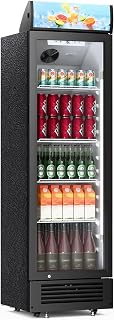
Antarctic Star 9 Cu. Ft. Outdoor Beverage Refrigerator
This large commercial-style drink fridge is the most suitable pick for frequent entertaining, a pool house, or a serious outdoor bar where high capacity matters more than a small footprint. Four adjustable shelves help accommodate mixed bottles and cans, but the 9-cubic-foot cabinet is a substantial appliance and deserves a properly planned, covered installation.
Frequently Asked Questions
Can I leave a mini fridge outside year-round?
Only if the model is specifically rated for outdoor or all-weather use, and even then, protection from direct rain, snow, and intense sun is advisable. Outdoor temperatures can also affect cooling performance, so follow the operating limits in the manual.
What is the difference between a beverage cooler and a mini refrigerator?
A beverage cooler is optimized for cans and bottles, often with glass shelving and a display door. A mini refrigerator is generally more versatile for food, but the exact temperature range and storage layout vary by model.
Does an outdoor mini fridge need ventilation?
Yes. Refrigerators release heat as they cool, so blocking the rear, sides, or front vent can reduce efficiency and create unnecessary strain. Built-in installations should use the clearances specified by the manufacturer.
Are glass-door beverage refrigerators energy efficient?
They can be reasonably efficient, but glass doors typically provide less insulation than solid doors. Opening the door frequently, placing the unit in direct sun, or keeping it in extreme heat will increase energy use.
Final Thoughts
For a polished patio bar, the 15-Inch Outdoor Beverage Refrigerator is a well-proportioned choice, while the Frigidaire 4.3 Cu. Ft. All-Weather Refrigerator is more versatile for mixed storage. If you regularly host large gatherings, the Antarctic Star 9 Cu. Ft. Outdoor Beverage Refrigerator provides the most useful capacity—provided you have a sheltered, properly ventilated place for it.