Key takeaways
- Frame construction: Steel and substantial wood posts generally provide a stronger foundation than lightweight folding frames, but strength depends on joints, hardware, and installation quality.
- Roof design: Double roofs and vented tops can help release trapped air, reducing the lifting effect that makes solid canopies vulnerable during gusts.
- Anchoring: Check whether the gazebo can be secured to concrete, decking, or ground anchors. Sandbags alone are rarely a satisfactory solution for a permanent installation.
- Weather materials: Galvanized or rust-resistant metal, treated wood, UV-resistant fabric, and sensible drainage details all improve durability through changing seasons.
- Seasonal use: Decide whether you want a portable shelter or a semi-permanent outdoor room. A larger hardtop gazebo offers stability but requires more planning, labor, and clearance.
What's inside
Choosing a gazebo for a windy yard is less about finding a canopy labeled “heavy duty” and more about matching the structure to your exposure, anchoring options, and how often you plan to leave it assembled. Lightweight pop-up shelters can be convenient, but gusts quickly reveal weak frames, loose roofs, and undersized tie-downs.
This guide compares five practical options for patios, gardens, grilling areas, and entertaining spaces. We look at frame strength, roof design, usable shelter, screening, maintenance, and the installation details that matter when the weather turns rough. No gazebo is automatically safe in severe storms, so proper anchoring and timely removal of fabric components remain essential.
As an Amazon Associate we earn from qualifying purchases.


How to Choose a Gazebo For High Winds (2026)
- Frame construction: Steel and substantial wood posts generally provide a stronger foundation than lightweight folding frames, but strength depends on joints, hardware, and installation quality.
- Roof design: Double roofs and vented tops can help release trapped air, reducing the lifting effect that makes solid canopies vulnerable during gusts.
- Anchoring: Check whether the gazebo can be secured to concrete, decking, or ground anchors. Sandbags alone are rarely a satisfactory solution for a permanent installation.
- Weather materials: Galvanized or rust-resistant metal, treated wood, UV-resistant fabric, and sensible drainage details all improve durability through changing seasons.
- Seasonal use: Decide whether you want a portable shelter or a semi-permanent outdoor room. A larger hardtop gazebo offers stability but requires more planning, labor, and clearance.
The Best Gazebo For High Winds (2026)s Reviewed
COOS BAY 11×11 Pop-Up Gazebo
The COOS BAY 11×11 is the convenient choice for occasional gatherings, with mesh netting, UPF 50 protection, and a quick setup that suits renters or hosts who pack the shelter away after use. Its pop-up format is not the strongest option for exposed locations, so use every included tie-down and take it down before serious wind arrives.
Modern Shade Wood Grill Gazebo
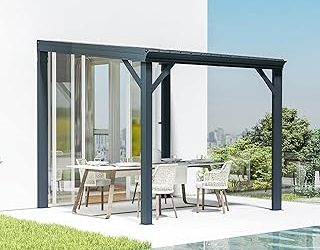
Built around a 12-by-16-foot cedar structure and a sloped galvanized steel roof, this is the most purpose-built option for a grill station or outdoor kitchen. The substantial posts and hard roof should feel far more settled than a fabric canopy, though assembly is a genuine project and the finished gazebo needs a properly prepared, level base.
Aoxun 12×10 Metal Frame Gazebo
The Aoxun combines a metal frame with a double-roof canopy, mosquito netting, and privacy screens, making it a useful middle ground for everyday patio use. It offers more structure than a basic pop-up while retaining a fabric roof that should be removed or carefully secured when high winds are forecast.
PURPLE LEAF 12×14 Double-Roof Gazebo
The PURPLE LEAF is a strong contender for buyers who want a roomy, more permanent outdoor retreat. Its thick posts, double roof, built-in drainage, rust-resistant construction, and textilene netting address several common outdoor-living frustrations, although its larger footprint calls for careful anchoring and more installation time.
12×10 Metal Frame Double-Roof Gazebo
This 12-by-10 model is a practical value-oriented shelter for meals, seating, and backyard parties. The double roof, mosquito netting, and privacy curtains add comfort, but its wind performance will depend heavily on how firmly the frame is attached and whether the canopy is removed in severe weather.
Frequently Asked Questions
What type of gazebo is best for high winds?
A firmly anchored hardtop gazebo with substantial posts and a vented or double-roof design is generally a better choice than a lightweight pop-up shelter. Local exposure, foundation quality, and installation matter as much as the product description.
Should I leave a gazebo up during a storm?
No. Even sturdy gazebos can sustain damage in severe weather, and fabric roofs, curtains, and screens can act like sails. Remove or secure those components according to the manufacturer’s instructions, and follow local weather warnings.
Are pop-up gazebos suitable for windy locations?
They can work in mild, controlled conditions when properly weighted and tethered, but they are not ideal for permanent use in an exposed yard. Their main advantage is portability, which also makes taking them down before bad weather relatively easy.
Does a double roof make a gazebo windproof?
No. A double roof may improve ventilation and reduce some pressure beneath the canopy, but it does not make a structure windproof. Secure anchoring, sound hardware, and sensible storm preparation are still necessary.
Final Thoughts
For a more permanent, wind-conscious setup, the PURPLE LEAF 12×14 and Modern Shade Wood Grill Gazebo are the leading picks, provided they are installed on a suitable base. For flexible entertaining, the Aoxun 12×10 offers a useful balance of shelter and convenience, while the COOS BAY is best reserved for calm-weather, portable use.