Key takeaways
- Mineral content: Choose low-mineral or filtered water if your ice maker develops scale quickly, but avoid assuming that completely mineral-free water will always taste best.
- Taste: Water with a clean, neutral flavor produces better-tasting ice, especially in drinks where melting cubes dilute the beverage.
- Filtration: Reverse osmosis is useful for reducing dissolved solids, while carbon filtration mainly improves chlorine, odor, and flavor.
- Convenience: Bottles are easy to try but create storage and recycling work; a plumbed or refillable dispenser may be more practical for frequent ice production.
- Ice-maker compatibility: Check the appliance manual before using distilled, alkaline, or sparkling water, and follow its cleaning schedule regardless of which water you select.
What's inside
Ice makers are surprisingly sensitive to water quality. Tap water can leave behind mineral scale, odd flavors, and cloudy cubes, while heavily purified water may produce ice that tastes flat. The best choice depends on your ice maker, local water, and how much convenience you want in daily use.
This guide compares practical water options and filtration systems for home ice makers, focusing on taste, mineral content, maintenance, storage, and ease of use. It includes bottled water for a simple solution, along with countertop and bottleless systems for households that make ice regularly.
As an Amazon Associate we earn from qualifying purchases.


How to Choose Water for an Ice Maker (2026)
- Mineral content: Choose low-mineral or filtered water if your ice maker develops scale quickly, but avoid assuming that completely mineral-free water will always taste best.
- Taste: Water with a clean, neutral flavor produces better-tasting ice, especially in drinks where melting cubes dilute the beverage.
- Filtration: Reverse osmosis is useful for reducing dissolved solids, while carbon filtration mainly improves chlorine, odor, and flavor.
- Convenience: Bottles are easy to try but create storage and recycling work; a plumbed or refillable dispenser may be more practical for frequent ice production.
- Ice-maker compatibility: Check the appliance manual before using distilled, alkaline, or sparkling water, and follow its cleaning schedule regardless of which water you select.
The Best Water for Ice Makers (2026) Reviewed
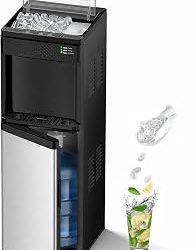
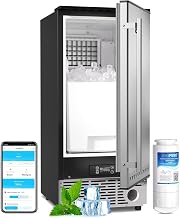
ICEPURE 6-in-1 Bottleless Water Cooler
This is the most complete option for households that want filtered water and ice from one stainless-steel appliance. Its three-stage reverse osmosis system, hot and cold dispensing, Wi-Fi controls, and bullet or crushed ice settings make it especially convenient for busy kitchens. The tradeoff is a larger footprint and more involved filter maintenance than a basic countertop ice maker.
Pure Life Purified Water
Pure Life’s one-gallon jugs are a straightforward choice when you want consistent water without installing equipment. The added minerals give it a less flat flavor than some highly purified waters, and the large containers reduce the constant handling of small bottles. They do require pantry or refrigerator space, and the plastic packaging is less appealing for households trying to cut waste.
smartwater Vapor Distilled Water
Vapor-distilled smartwater offers a clean, mild taste and very low mineral content, which can help limit deposits in an ice maker. The 33.8-ounce bottles are convenient for testing whether distilled-style water improves your cubes, though they are not the most economical choice for filling a high-capacity machine every day. Its light mineral profile may also taste less satisfying to people who prefer spring or mineral water.
Crystal Geyser Natural Alpine Spring Water
Crystal Geyser is a useful option for shoppers who prefer spring water and want larger six-gallon containers. Its natural mineral character can produce pleasantly rounded-tasting ice, but mineral levels vary by source and may contribute to scale over time. Check the bottle label and monitor your ice maker if your local tap water is already hard.
NF-I4 Countertop Reverse Osmosis Water Filter
The NF-I4 is designed for people who want highly filtered water without connecting a system to the plumbing. Its reverse osmosis stages, UV treatment, alkaline-water setting, and ice-maker connection make it flexible for apartments, offices, and secondary kitchens. Because it uses a refillable tank and produces wastewater, it takes more attention than bottled water, but it can be a strong long-term solution for frequent ice use.
Frequently Asked Questions
Is bottled water better for an ice maker?
Not automatically. Bottled water can offer more consistent taste than untreated tap water, but the best choice depends on mineral content and your machine’s sensitivity to scale. Filtered tap water is often just as effective when it tastes clean and the filter is changed on schedule.
Should I use distilled water in an ice maker?
Distilled water is low in minerals, so it may reduce mineral buildup and produce a very neutral flavor. However, some manufacturers recommend against using completely distilled water or do not promise ideal operation with it, so consult the appliance manual first.
Does reverse osmosis water make better ice?
Reverse osmosis water often makes clean-tasting ice and can reduce deposits caused by dissolved solids. It is particularly helpful in areas with hard or heavily treated water, although the system requires filter replacement and, in many models, produces some wastewater.
How often should I clean an ice maker?
Follow the manufacturer’s schedule, but a monthly cleaning is a sensible starting point for frequently used machines. Clean sooner if you notice odor, cloudy ice, slime, or a change in taste, and remember that better water does not eliminate the need to sanitize the ice-making area.
Final Thoughts
For maximum convenience, the ICEPURE 6-in-1 Bottleless Water Cooler combines filtration and ice production in one appliance. Pure Life is the easiest bottled-water starting point, while the NF-I4 is the better fit for households seeking a countertop reverse osmosis setup. Whichever route you choose, prioritize clean taste, manageable mineral levels, and a water source you can maintain consistently.