Key takeaways
- Measure the frame: Confirm the interior length and width before ordering, and check the manufacturer’s recommended mattress height. A mattress that is too tall can interfere with rails, back cushions, or a trundle.
- Choose the right firmness: Medium or medium-firm foam generally works well for mixed daytime and nighttime use. Side sleepers may prefer a little more cushioning, while back and stomach sleepers often benefit from steadier support.
- Consider heat management: Gel-infused foam and ventilated designs can help reduce the warm, enveloping feel associated with traditional memory foam, although bedding and room temperature still make a noticeable difference.
- Check the materials: Look for certifications such as CertiPUR-US and OEKO-TEX where relevant, especially when the mattress will be used by children. A fiberglass-free design may also be preferable for peace of mind.
- Plan for setup: Bed-in-a-box mattresses are convenient for tight rooms and upstairs spaces, but they need time to expand. Follow the maker’s instructions and avoid judging the final feel immediately after unboxing.
What's inside
A daybed may look like a sofa by day, but its mattress still has to perform like a proper bed at night. The challenge is finding a twin mattress that fits the frame correctly without making the seating surface too tall, too soft, or awkwardly deep. Daybeds also tend to get used in more than one way, so comfort, edge support, cooling, and easy setup all matter.
This guide focuses on practical home comfort rather than marketing claims. We compare compact twin mattresses for daybeds, guest rooms, reading spaces, bunk-style frames, and trundles, with attention to mattress height, support feel, construction, materials, and everyday livability.
As an Amazon Associate we earn from qualifying purchases.


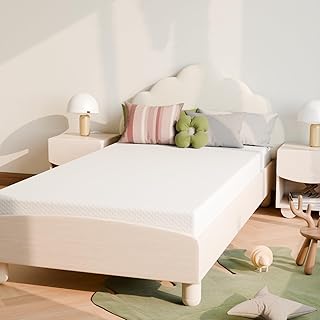


How to Choose a Twin Mattress For Daybed (2026)
- Measure the frame: Confirm the interior length and width before ordering, and check the manufacturer’s recommended mattress height. A mattress that is too tall can interfere with rails, back cushions, or a trundle.
- Choose the right firmness: Medium or medium-firm foam generally works well for mixed daytime and nighttime use. Side sleepers may prefer a little more cushioning, while back and stomach sleepers often benefit from steadier support.
- Consider heat management: Gel-infused foam and ventilated designs can help reduce the warm, enveloping feel associated with traditional memory foam, although bedding and room temperature still make a noticeable difference.
- Check the materials: Look for certifications such as CertiPUR-US and OEKO-TEX where relevant, especially when the mattress will be used by children. A fiberglass-free design may also be preferable for peace of mind.
- Plan for setup: Bed-in-a-box mattresses are convenient for tight rooms and upstairs spaces, but they need time to expand. Follow the maker’s instructions and avoid judging the final feel immediately after unboxing.
The Best Twin Mattress For Daybeds (2026) Reviewed
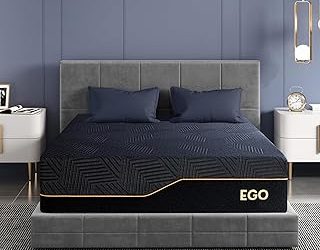
EGOHOME 8-Inch Twin Mattress
The EGOHOME is a strong all-purpose choice for a daybed that doubles as a regular sleeping space. Its thicker 8-inch profile provides more cushioning than ultra-slim models, while green tea gel memory foam aims to improve pressure relief and reduce the stuffy feel some sleepers notice with foam. The medium-firm support should suit guest use particularly well, though buyers should make sure the extra height works with the daybed’s side rails.
FDW 5-Inch Twin Mattress
For a low-profile daybed, the FDW’s 5-inch construction is refreshingly practical. Its dual-layer gel memory foam design gives it a firmer, more streamlined feel that works well on bunk-style frames, trundles, and seating-focused daybeds. The removable, washable cover is a useful household feature, especially in guest rooms or children’s spaces, although lighter sleepers may find the thinner build less plush.
MLILY 6-Inch Twin Mattress
The MLILY strikes a sensible middle ground between a slim daybed mattress and a fuller bed mattress. At 6 inches, it is easier to fit beneath many rails and still offers enough foam depth for basic pressure relief. Its medium-firm feel and green tea gel foam make it a versatile pick for children, occasional guests, and daytime lounging, provided the frame offers a supportive surface underneath.
5-Inch Medium-Firm Cooling Gel Twin Mattress
This 5-inch mattress is designed around compatibility, making it a practical option for daybeds, bunk beds, and trundles where clearance is often the deciding factor. The medium-firm gel memory foam feel favors stable support over a deep, enveloping sensation, and its fiberglass-free positioning may appeal to safety-conscious households. It is best suited to occasional or younger sleepers rather than adults seeking a substantial mattress feel.
Neo Sleep 8-Inch Cool Hybrid Twin Mattress
The Neo Sleep stands apart from the all-foam options by combining memory foam comfort with innerspring coil support. That hybrid structure can provide a more responsive surface, stronger airflow, and easier movement for sleepers who dislike sinking into foam. Its 8-inch height and anti-slip bottom make it attractive for a sturdier daybed, but measure carefully before choosing it for a low-clearance frame.
Frequently Asked Questions
What mattress thickness is best for a daybed?
There is no universal answer, but 5 to 8 inches covers most daybed setups. Choose 5 or 6 inches when rail height, trundle clearance, or a sofa-like appearance is important; choose 8 inches when the mattress will be used nightly and the frame can accommodate it.
Can you use a regular twin mattress on a daybed?
Yes, as long as the mattress matches the daybed’s interior dimensions and does not exceed its height limit. A standard twin is typically 38 by 75 inches, but small dimensional differences can affect how neatly it fits between the frame components.
Is memory foam or hybrid better for a daybed?
Memory foam is usually quieter, lighter, and easier to fit into compact furniture. A hybrid can feel cooler and more responsive, with better airflow and edge structure, but it may be heavier and taller. The best choice depends on clearance and whether the daybed is primarily for sitting or sleeping.
How long should a boxed mattress expand?
Most boxed mattresses need several hours before they are usable and up to a few days to reach their intended shape and feel. Keep the room ventilated during setup, remove all packaging as directed, and follow the specific expansion guidance supplied by the manufacturer.
Final Thoughts
The EGOHOME 8-Inch Twin is a well-rounded pick for everyday comfort, while the FDW 5-Inch and MLILY 6-Inch are better suited to low-clearance daybeds, trundles, and occasional use. For sleepers who prefer more bounce and airflow, the Neo Sleep 8-Inch Cool Hybrid is the most distinctive alternative.