Key takeaways
- Material: Look for felt, EVA, or clearly identified LVP-compatible materials, and avoid vague PVC or adhesive coatings unless the flooring manufacturer approves them.
- Grip: A rug pad should reduce sliding without bonding permanently to the floor. Silicone-style grip and dual-surface construction can be useful in busy areas.
- Thickness: Thin pads work well under doors and low-pile rugs, while thicker felt provides a softer step and more protection beneath larger area rugs.
- Size: Choose a pad slightly smaller than the rug—usually about 1 to 2 inches in from each edge—so it remains hidden and does not create a raised border.
- Maintenance: Washable or easy-to-vacuum pads are valuable in kitchens, entryways, and homes with pets. Let any damp pad dry completely before replacing the rug.
What's inside
Choosing a rug pad for luxury vinyl plank flooring is less straightforward than it looks. A pad that grips well on hardwood may contain materials or coatings that are unsuitable for LVP, while a soft, thick underlay can make a rug feel comfortable but allow it to shift at the edges. The wrong match may also trap moisture, discolor the finish, or leave residue after prolonged use.
This guide focuses on practical everyday performance: grip, cushioning, floor compatibility, ease of trimming and cleaning, and how well each design suits different rooms. Always check your flooring manufacturer’s care guidance before installation, especially on newly fitted or lightly textured LVP.
As an Amazon Associate we earn from qualifying purchases.


How to Choose a Rug Pad For Lvp Floors (2026)
- Material: Look for felt, EVA, or clearly identified LVP-compatible materials, and avoid vague PVC or adhesive coatings unless the flooring manufacturer approves them.
- Grip: A rug pad should reduce sliding without bonding permanently to the floor. Silicone-style grip and dual-surface construction can be useful in busy areas.
- Thickness: Thin pads work well under doors and low-pile rugs, while thicker felt provides a softer step and more protection beneath larger area rugs.
- Size: Choose a pad slightly smaller than the rug—usually about 1 to 2 inches in from each edge—so it remains hidden and does not create a raised border.
- Maintenance: Washable or easy-to-vacuum pads are valuable in kitchens, entryways, and homes with pets. Let any damp pad dry completely before replacing the rug.
The Best Rug Pad For Lvp Floors (2026)s Reviewed
RUGPADUSA Vinyl Lock
Designed specifically for vinyl and luxury vinyl plank flooring, the RUGPADUSA Vinyl Lock combines felt with EVA in a slim 2-by-8-foot runner format. It is a sensible choice for hallways and kitchens where steady footing matters more than plush cushioning, although buyers should measure carefully because the runner size is not easily adapted to a large area rug.
RUGPADUSA Basics Felt Pad
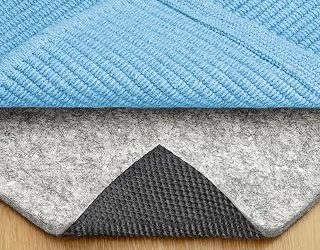
The RUGPADUSA Basics 9-by-12-foot pad is the cushioning specialist in this group, with a substantial 3/8-inch felt profile that can make a large rug feel warmer and more comfortable. It is marketed for all floors and finishes, but its felt construction is primarily about protection and softness, so it may need a separate gripping solution beneath rugs that slide easily.
RUGPADUSA Dual Surface
For a balanced combination of comfort and stability, the RUGPADUSA Dual Surface uses felt on one side and rubber on the other in a 1/4-inch format. The 8-by-10-foot size suits many living-room rugs, and its two-sided design gives shoppers more flexibility when positioning it; confirm that the rubber backing is approved for your particular LVP finish.
Mayhawk Non-Slip Rug Gripper
The Mayhawk gripper takes a low-profile approach, using a thin silicone-style surface and vacuum-inspired grip for smaller rugs and runners. Its 2-by-6-foot size, washable construction, and residue-free positioning make it attractive beneath an entryway runner or bedside rug, though it will not provide the deep cushioning of a thick felt pad.
Jorvila Non-Slip Rug Pad Gripper
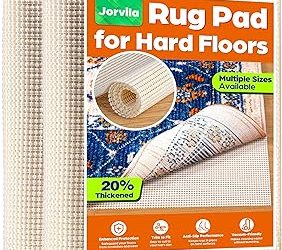
Jorvila’s 8-by-10-foot pad is aimed at larger area rugs, combining anti-skid performance with a thicker cushioned feel. It is a practical option for living rooms and bedrooms where you want to soften the floor underfoot, but check the finished dimensions and trim the pad if it extends too close to the rug’s edge.
Frequently Asked Questions
Can I use any rug pad on LVP flooring?
No. Some pads contain latex, rubber compounds, plasticizers, or adhesives that may react with vinyl finishes over time. Choose a product that specifically states compatibility with vinyl or LVP, and follow the flooring maker’s recommendations.
Should the rug pad be the same size as the rug?
It should normally be slightly smaller. Leaving roughly 1 to 2 inches between the pad and each rug edge helps keep the pad concealed and reduces the chance of catching a corner with a foot or vacuum cleaner.
Are thick felt pads safe beneath LVP?
Thickness alone does not determine safety. Felt can add useful cushioning, but the backing, moisture resistance, and manufacturer guidance matter too. Avoid installing a pad over a damp floor or beneath a rug that already shows signs of trapped moisture.
How do I stop a rug pad from leaving marks?
Vacuum beneath the rug regularly, lift and air out the rug and pad occasionally, and wipe up spills promptly. If you notice discoloration, tackiness, or an odor, remove the pad and contact the flooring manufacturer before reinstalling it.
Final Thoughts
For targeted LVP use, the RUGPADUSA Vinyl Lock is the most straightforward pick for runners, while the RUGPADUSA Dual Surface offers a useful comfort-and-grip compromise for larger rugs. If softness is your priority, the RUGPADUSA Basics felt pad is worth considering, provided its backing suits your flooring and the rug itself does not need additional anti-slip control.