Key takeaways
- Surface durability: Choose rubberwood or solid hardwood for demanding, permanent benches; mats and pads are better for protecting an existing surface.
- Project type: Smooth wood is useful for layout, assembly, and finishing, while textured PVC or PU surfaces help prevent tools and parts from sliding.
- Moisture and chemicals: Unfinished wood needs oil, stain, paint, or a clear sealer, especially if the bench will encounter glue, water, or solvents.
- Fit and installation: Measure the bench carefully, including overhang and openings, then decide whether you want a cut-to-fit pad or a substantial replacement top.
- Maintenance: Wipe-clean synthetic mats require little upkeep, while wood tops may need occasional sanding, re-oiling, or touch-up to stay presentable.
What's inside
A workbench top has to do more than look tidy: it needs to stand up to clamps, sharp tools, spilled finishes, heavy components, and the occasional impatient project. The wrong surface can dent easily, slide under pressure, or become permanently marked after one busy weekend.
This guide compares practical workbench top materials for garages, workshops, craft rooms, and multipurpose home work areas. We focus on surface protection, durability, maintenance, comfort, and how much installation or finishing each option demands, so you can choose a top that suits the way you actually work.
As an Amazon Associate we earn from qualifying purchases.




How to Choose a Workbench Top Material (2026)
- Surface durability: Choose rubberwood or solid hardwood for demanding, permanent benches; mats and pads are better for protecting an existing surface.
- Project type: Smooth wood is useful for layout, assembly, and finishing, while textured PVC or PU surfaces help prevent tools and parts from sliding.
- Moisture and chemicals: Unfinished wood needs oil, stain, paint, or a clear sealer, especially if the bench will encounter glue, water, or solvents.
- Fit and installation: Measure the bench carefully, including overhang and openings, then decide whether you want a cut-to-fit pad or a substantial replacement top.
- Maintenance: Wipe-clean synthetic mats require little upkeep, while wood tops may need occasional sanding, re-oiling, or touch-up to stay presentable.
The Best Workbench Top Materials (2026) Reviewed
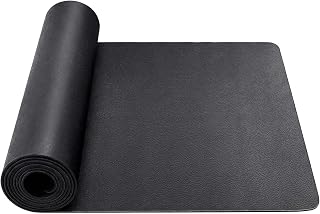
48-Inch PVC Workbench Mat
The 48″ x 17″ Workbench Mat is a straightforward way to give a basic bench a more forgiving working surface. Its 1.5mm PVC construction and non-slip steel-plate texture should help contain small scratches and reduce sliding during light woodworking, crafting, and repair jobs.
Howizz Acacia Butcher Block
The Howizz Acacia Butcher Block Countertop brings the warmth and solid feel of real wood to a DIY bench or desk conversion. At 1.5 inches thick, it has useful visual weight and plenty of room for sanding, sealing, or painting, although its unfinished surface needs protection before messy workshop use.
Unfinished Birch Butcher Block
This 60-inch unfinished birch slab is a strong choice when you want a broad, clean-looking work surface that can be customized. The smooth-sanded solid birch is well suited to oil, stain, sealant, or paint, making it especially practical for a workbench that also serves as a laundry, hobby, or household project station.
ClosetMaid ProGarage Workbench Top
The ClosetMaid ProGarage Workbench Top is designed for buyers who want a ready-made, workshop-oriented surface rather than a thin protective layer. Its heavy-duty rubberwood and scratch-resistant finish make it a sensible fit for garage benches where durability and easy everyday use matter more than a fully bespoke finish.
Drydiet PU Leather Workbench Pad
The Drydiet 24 x 72-inch Work Bench Mat Topper covers a generous area and can be cut to suit different bench layouts. Its PU leather surface is easy to clean and helps protect a countertop from scratches, making it a convenient upgrade for electronics, crafts, light assembly, and general home projects.
Frequently Asked Questions
What is the best material for a permanent workbench?
Solid hardwood or rubberwood is usually the best all-around choice for a permanent bench. It provides strength, a stable feel under clamps, and can be sanded or refinished when the surface eventually shows wear.
Are workbench mats worth using?
Yes, particularly if you already have a usable plywood, laminate, or wood bench. A mat is less expensive and easier to replace than the bench itself, while also reducing scratches, noise, and damage from dropped tools.
Should an unfinished butcher block be sealed?
It should be sealed or otherwise finished if it will encounter moisture, glue, oils, or workshop chemicals. Choose a finish appropriate to your projects, and allow it to cure fully before placing tools or materials on the top.
Can a PVC or PU mat replace a thick wood workbench top?
Usually not. These mats protect and improve an existing surface, but they do not provide the structural support needed for heavy clamping, pounding, or loads concentrated on a small area. They work best over a firm, level bench.
Final Thoughts
For a durable replacement surface, the ClosetMaid ProGarage Workbench Top is the most workshop-focused pick, while the Howizz Acacia and unfinished birch tops offer the best customization potential. If your current bench is structurally sound, the 48-inch PVC mat or Drydiet PU leather topper is a simpler, lower-effort way to improve comfort and protect the surface.